Solar Energy in Winter: Performance, Myths, and Real Results
 solenergy
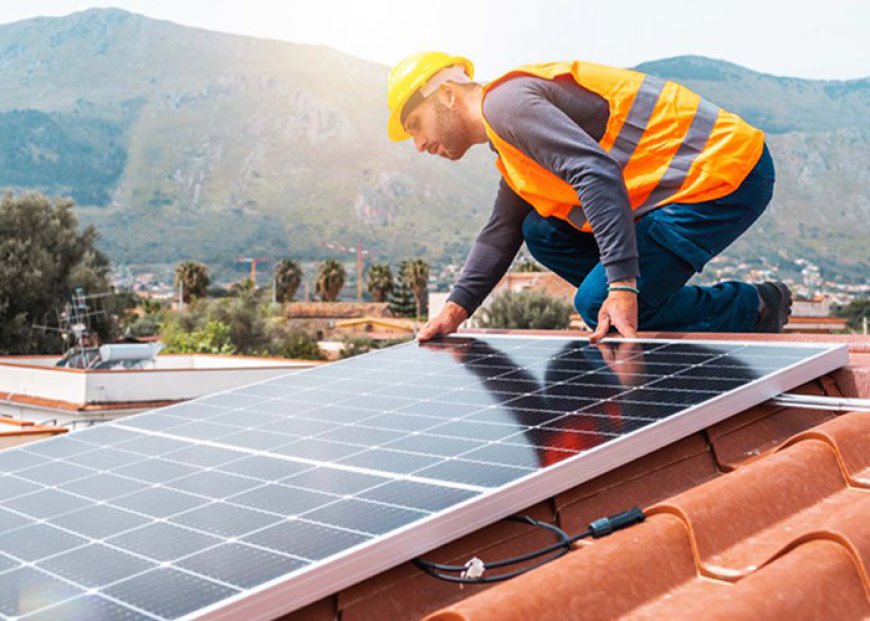
Winter often brings a familiar question from homeowners: Do solar panels still work when the weather turns cold? The short answer is yes.
In fact, many people are surprised to learn that solar panels on residential Pitkin homes or similar can continue producing electricity throughout the winter months. While shorter days and snow can affect energy output, modern solar systems are designed to perform in a wide range of conditions.
So, let's separate facts from fiction and look at how solar energy really performs during winter.
Do Solar Panels Work in Cold Weather?
One of the biggest misconceptions about solar energy is that panels need hot weather to generate electricity. The truth is quite different.
Solar panels run on sunlight, not heat. As long as sunlight reaches the panels, they can produce power. In fact, solar equipment often operates more efficiently in cooler temperatures than in extreme summer heat.
That means a bright winter day can still generate a meaningful amount of electricity, even when temperatures are near freezing.
Myth #1: Snow Stops Solar Production Completely
Many homeowners assume that snow-covered panels stop working for weeks at a time. In reality, most snow does not remain on panels for long.
Solar arrays are typically installed at an angle. When sunlight hits the surface, even during cold weather, snow often slides off naturally. Wind can also help clear accumulation. Additionally, the dark surface of solar panels absorbs sunlight, which can speed up the melting process.
While heavy snowfall may temporarily reduce production, systems usually return to normal operation once the panels are exposed again.
Myth #2: Winter Makes Solar Energy Ineffective
Winter days are shorter, so energy production generally decreases compared to summer. However, that does not mean solar becomes ineffective.
Modern systems are designed with seasonal changes in mind. Energy production naturally varies throughout the year, and installers account for these fluctuations during system planning.
A well-designed solar system continues generating electricity in every season. The difference is that winter production may be lower due to reduced daylight hours, not because the technology stops working.
What Actually Affects Winter Performance?
Several factors influence solar output during colder months.
-
Daylight Hours: Winter days are shorter. Fewer daylight hours mean fewer opportunities to generate electricity.
-
Snow Coverage: Temporary snow accumulation can reduce production until panels clear.
-
Shading: Trees, nearby buildings, and other obstructions may create longer shadows during winter when the sun sits lower in the sky.
-
System Design: Panel placement, roof angle, and system sizing all play important roles in year-round performance.
When these factors are considered properly during installation, homeowners can enjoy consistent energy production throughout the year.
The Real Benefits of Winter Solar Production
Even when winter output is lower than summer levels, homeowners still receive meaningful benefits. First, every kilowatt-hour produced by the system helps reduce the amount of electricity needed from the utility grid.
Second, solar energy continues supporting long-term savings. Over the course of a year, strong production during sunnier months helps balance seasonal variations. Finally, homeowners gain greater confidence knowing their system works in multiple weather conditions.
That reliability is one reason more families are exploring residential solar solutions today.
Why Professional Installation Matters
Winter performance starts long before the first snowfall arrives. A properly designed system considers local weather patterns, roof orientation, shading, and energy needs. These details can significantly affect long-term results.
Professional solar installers focus on creating systems that maximize sunlight exposure and support year-round energy production. Careful planning helps homeowners get the most value from their investment regardless of the season.
Final Wrap Up
Winter may bring shorter days and occasional snow, but it does not stop solar energy from working. Solar panels generate electricity from sunlight, and cooler temperatures can actually support efficient operation.
That is why many homeowners considering solar panels residential Pitkin or nearby are surprised to learn that solar systems can continue producing power throughout the winter months. While seasonal output may vary, a properly designed system can provide reliable energy and long-term savings all year, making solar a practical investment regardless of the season.