Step-by-Step Setup of a Mobile Credit Card Reader Square for Beginners
 maddysmith1
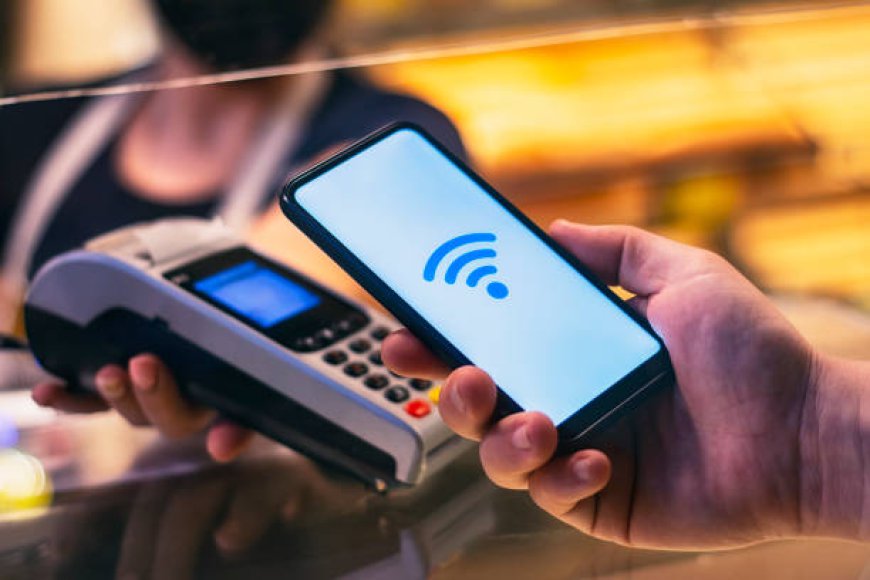
Accepting payments on the go has become an essential part of running a small business, freelance work, or even side hustles. Mobile credit card readers allow you to take payments anywhere, whether you’re at a market, a customer’s home, or a pop-up shop. They are easy to carry, quick to set up, and can make your business look more professional while providing convenience to your customers.
One of the most popular options is a mobile credit card reader that works with smartphones and tablets. This type of reader can process credit and debit card payments, as well as mobile wallet payments, and can even track your sales automatically. This guide will walk you through the complete process of setting up your mobile credit card reader for the first time, so you can start accepting payments confidently.
Step 1: Prepare Your Equipment
Before you start, make sure you have everything you need for the setup. You will need a mobile credit card reader, a smartphone or tablet, and an internet connection, either through Wi-Fi or mobile data. Some readers connect via Bluetooth, while others plug directly into your device’s headphone jack or charging port. Having all the necessary equipment ready will make the setup process smooth and stress-free.
Step 2: Create Your Account
The next step is to create an account with the payment service. Open the app on your device and follow the prompts to sign up. You’ll need to enter your personal details like your name, email, and phone number, as well as your business information. Make sure to link your bank account so that payments you receive can be deposited directly. Setting up your account is straightforward and only takes a few minutes.
Step 3: Choose the Right Reader
Mobile readers come in different types, so it’s important to pick the one that fits your needs. Some readers are designed to swipe traditional magnetic stripe cards, while others accept chip cards and contactless payments like Apple Pay or Google Pay. For most beginners, a reader that supports both chip and contactless payments is the best choice because it works with a wide range of cards and devices.
If you want to learn more about purchasing the right device, you can check out this Mobile Credit Card Reader Square to get a reliable option designed for small business use.
Step 4: Install the App
The app is the main tool you’ll use to manage payments and track sales. Download it from the App Store or Google Play Store, depending on your device. Once installed, log in using the account details you created. The app will guide you through the setup and will detect your card reader when it is connected.
Step 5: Connect Your Card Reader
Connecting the reader depends on the type. For readers that plug into your device, simply insert it into the headphone or charging port. For Bluetooth readers, turn on the device, enable Bluetooth on your phone, and follow the instructions in the app to pair the two devices. Once connected, your reader is ready to process payments.
Step 6: Set Up Payment Preferences
Before accepting real payments, it’s a good idea to customize your settings. You can choose how receipts are sent to customers, enable tips, and decide whether the app should prompt for signatures. You can also set default payment methods and enable mobile wallet payments. Adjusting these settings ensures that your checkout process runs smoothly and your customers have a consistent experience.
Step 7: Test a Transaction
It’s always a good idea to run a test transaction before processing actual customer payments. Enter a small amount in the app and use your card to complete the payment. Check that the transaction appears in your app dashboard and that receipts are sent correctly. Testing helps you feel confident that everything is working properly before real transactions begin.
Step 8: Add Your Products or Services
If you sell multiple products or services, adding them to the app’s item library can make checkout faster. You can create items, assign prices, categorize them, and even upload photos if you want. When selling, you can simply select the product instead of typing the price each time. This reduces errors and saves time, especially when your business gets busy.
Step 9: Manage Taxes and Tips
Properly setting up taxes and tips ensures your totals are correct. You can add the tax rate for your location so that it calculates automatically during checkout. You can also choose how tips are collected, whether as a percentage or a custom amount. Managing these settings ahead of time avoids confusion and ensures customers pay the correct amount.
Step 10: Monitor Sales and Reports
The app keeps track of all your transactions and generates useful reports. You can see your total sales, identify your most popular products, and even check which times of day are busiest. Reviewing these reports regularly can help you understand your business better and make decisions to improve sales. You can also export the data for accounting purposes.
Step 11: Keep Your Account Secure
Security is very important when handling credit card payments. Always update the app to the latest version, use strong passwords, and enable two-factor authentication. Make sure to handle the card reader carefully and follow any security recommendations. Safe payment processing protects both your customers and your business.
Step 12: Explore Extra Features
Beyond basic payment processing, the app may include features such as sending invoices, managing inventory, and keeping a customer directory. You can even create a simple online store to expand your sales online. Taking time to explore these options can help your business grow and provide additional tools to make your workflow easier.
Step 13: Troubleshoot Common Problems
Even with a simple setup, you might encounter a few issues. If your reader does not connect, check that Bluetooth is on and that the device is charged. If payments are declined, verify the card and account information. Restarting the app or device often fixes minor issues. Keeping your equipment updated and handling it properly helps prevent most problems.
Step 14: Tips for Beginners
Start with small test transactions to get comfortable using the reader. Keep your products organized in the app to speed up checkout. Make sure the reader is charged and ready for busy periods. Training anyone who will handle payments ensures consistency and accuracy. Regularly review your sales reports to understand trends and adjust your business approach.
Conclusion
Setting up a mobile credit card reader is not complicated, even for beginners. With the right device, a simple app, and a few minutes to configure your settings, you can start accepting payments on the go. By testing your setup, customizing preferences, and exploring additional features, you’ll make the payment process seamless for both yourself and your customers.
Using a mobile reader allows your business to operate more efficiently and professionally, whether you’re running a small shop, a service-based business, or selling products at events. Taking the time to set it up correctly ensures smooth transactions and happy customers, helping your business grow in the long run.