Step-by-Step Tips for First-Time Travelers to Kenya
Traveling to Kenya for the first time is an unforgettable experience, offering a perfect blend of wildlife adventures, stunning landscapes, and vibrant local culture.
 sanvi
sanvi
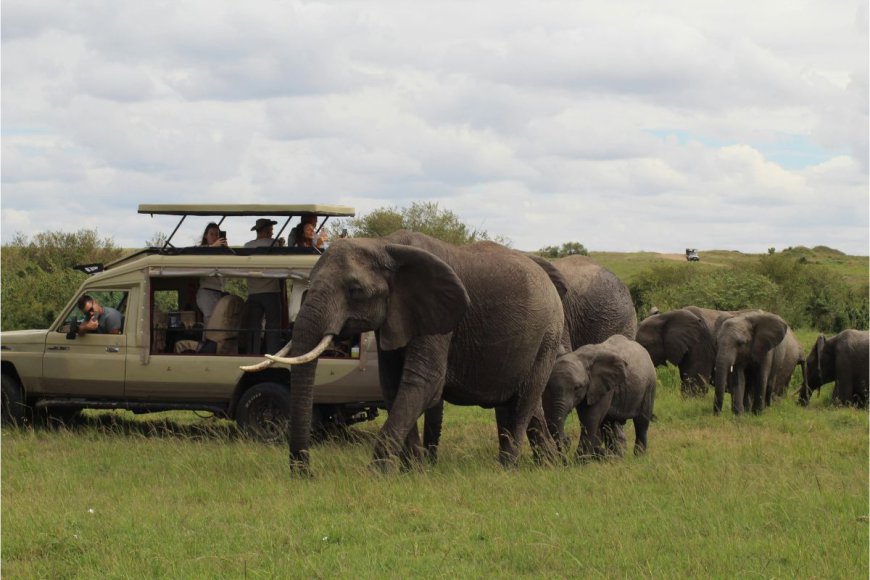
Traveling to Kenya for the first time is an unforgettable experience, offering a perfect blend of wildlife adventures, stunning landscapes, and vibrant local culture. If you’re traveling from Dubai, securing a Kenya Tour is the first important step. Trusted travel services like Arooha Tours can help make this process smooth, assisting with documentation, application guidance, and ensuring you meet all entry requirements. Planning ahead lets you start your adventure confidently, without unnecessary stress.
Kenya is a country of contrasts from the bustling streets of Nairobi to the serene beaches of the Indian Ocean coast, and from the vast plains of the Maasai Mara to the dramatic peaks of Mount Kenya. For first-time travelers, understanding travel logistics, safety measures, and local culture is essential. Following a structured, step-by-step approach ensures that your journey is safe, enjoyable, and deeply enriching.
Ultimate Kenya Travel Guide for First-Time Visitors
1. Secure Your Kenya Visa in Advance
Before booking flights or accommodations, make sure your visa is ready. The online eVisa system is the easiest way for travelers from Dubai to obtain entry approval. Determine the type of visa you need tourism, business, or transit and ensure your passport is valid for at least six months beyond your travel dates. Using services like Arooha Tours can help avoid delays, prevent mistakes in the application, and offer expert advice to streamline the process. Having your visa sorted in advance gives you peace of mind and ensures a smooth arrival in Kenya.
2. Create a Thoughtful and Realistic Itinerary
Kenya is a country full of incredible destinations, so planning is key. Consider including:
· Maasai Mara National Reserve – world-renowned for Big Five sightings and the Great Migration.
· Amboseli National Park – home to magnificent elephants and views of Mount Kilimanjaro.
· Lamu Island – for a relaxing escape with pristine beaches and Swahili culture.
· Nairobi – the vibrant capital with museums, markets, and urban safaris.
· Mount Kenya – perfect for trekking and enjoying lush mountain scenery.
Include travel times, road conditions, and weather considerations when creating your itinerary. A carefully planned route helps avoid rushed trips, allows time to absorb each destination fully, and ensures you enjoy a mix of wildlife, nature, and culture.
3. Prepare for Safari Adventures
A safari is a must-do in Kenya, but preparation is crucial for safety and enjoyment. Book guided safaris with licensed operators who know the parks and wildlife behaviors. Essentials to pack for your safari include:
· Neutral-colored clothing to blend with the environment
· Binoculars and cameras for capturing wildlife
· Sunscreen, hats, and insect repellent
· A light jacket for early morning drives
Safari etiquette is important: maintain a safe distance from animals, follow your guide’s instructions, and avoid loud noises. Patience is key sometimes the best sightings happen when you wait quietly. Safaris are not only thrilling but also educational, giving insight into conservation and local ecosystems.
4. Health and Safety Considerations
Maintaining your health is critical while traveling in Kenya. Consult a travel clinic for recommended vaccinations such as yellow fever, hepatitis A, and typhoid. Carry prescription medications and a small first-aid kit. Drink bottled or filtered water, and be cautious with street food. Travel insurance is strongly recommended to cover medical emergencies, trip interruptions, or lost belongings. Following health and safety guidelines ensures peace of mind, allowing you to enjoy every adventure worry-free.
5. Respect Local Culture and Traditions
Kenya is culturally diverse, home to more than 40 ethnic groups. Respecting local customs enhances your experience and helps build meaningful interactions with locals. Some tips include:
· Dress modestly, especially in rural areas and sacred sites
· Ask permission before photographing individuals or their property
· Learn basic Swahili phrases, such as “Jambo” (Hello) and “Asante” (Thank you)
Engaging respectfully allows you to participate in authentic experiences, such as visiting Maasai villages, attending local festivals, or exploring traditional markets. Cultural immersion creates lasting memories and fosters connections with the people you meet.
6. Manage Money Efficiently
Kenya primarily uses the Kenyan Shilling (KES), though mobile payment systems like M-Pesa are widely accepted. Carry a mix of cash and cards, particularly in rural areas where banking facilities may be limited. Keep small denominations for tips, market purchases, and local transport. Secure valuables in hotel safes or hidden pouches. Efficient money management ensures smooth transactions and reduces stress during your travels.
7. Pack Smart for Comfort and Convenience
Packing properly makes your trip more enjoyable. Essentials include:
· Lightweight clothing for daytime heat
· A light jacket for early mornings and evenings
· Comfortable walking shoes for safaris or city tours
· Sun protection (hats, sunglasses, sunscreen)
· Insect repellent and a reusable water bottle
· Camera or smartphone with extra storage
Packing thoughtfully allows you to enjoy a variety of experiences, from urban exploration to safari adventures, without worrying about missing essentials.
8. Choose Accommodation Wisely
Kenya offers diverse lodging options, from luxury safari lodges to budget hotels and eco-lodges. For safari trips, lodges near national parks provide early access to wildlife and reduce travel time. In cities like Nairobi or Mombasa, select hotels close to attractions and transport hubs for convenience. Reading reviews, comparing amenities, and booking early ensures comfortable and safe stays throughout your journey.
9. Stay Connected and Informed
Reliable communication is essential for safety, navigation, and staying in touch. Local mobile providers like Safaricom and Airtel offer strong coverage across most regions. Purchasing a local SIM card is affordable and convenient. Most hotels and lodges provide Wi-Fi, but carrying a portable charger ensures uninterrupted connectivity during safaris or remote adventures. Staying connected helps with emergency contacts, directions, and online travel resources.
10. Explore Kenyan Cuisine and Local Experiences
Kenya’s culinary scene reflects its rich cultural diversity. Must-try dishes include:
· Nyama Choma – roasted meats served with local sides
· Ugali – a staple maize porridge
· Sukuma Wiki – sautéed leafy greens
Beyond food, engage in cultural activities like visiting Maasai villages, exploring vibrant markets, or enjoying water sports along the coast. Participating in authentic experiences deepens your connection with the country and creates lasting memories that go beyond sightseeing.
Final Thoughts
Traveling to Kenya for the first time can be an unforgettable adventure when approached with careful planning, cultural awareness, and an adventurous spirit. From obtaining your visa and preparing for safaris to respecting local customs and exploring diverse experiences, every step enhances your journey.
With proper preparation, health precautions, and practical travel tips, your first trip to Kenya will be safe, enriching, and truly memorable. Don’t forget to obtain your Kenya tour packages in advance to ensure a smooth start to your adventure. Start planning today and experience the beauty, wildlife, and culture that make Kenya a world-class destination.