The Best Tools for Applying Industrial and Decorative Coatings
 metaminds
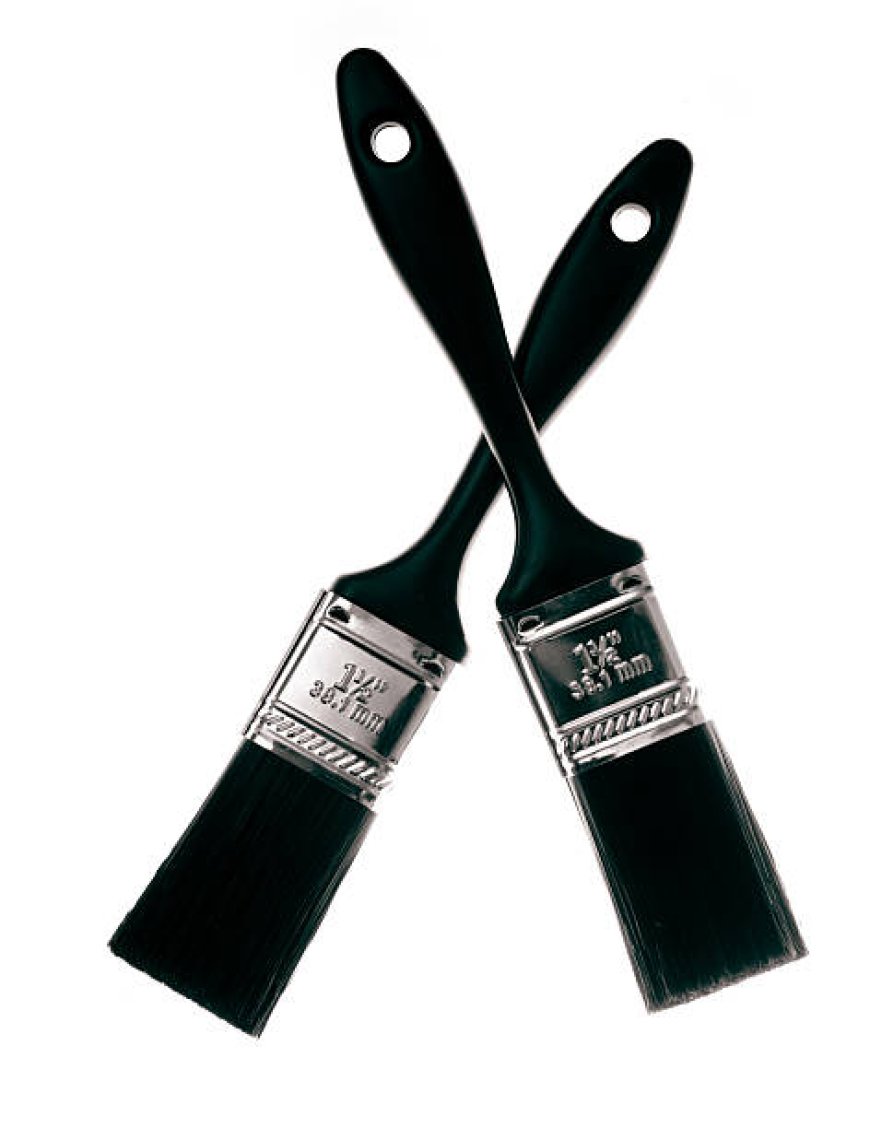
A lot of coating jobs go wrong before the lid even comes off the bucket. Not because the material is bad, but because the tools aren’t right. I’ve seen expensive coatings wasted just from using the wrong roller or a half-dead brush. It’s avoidable, mostly. Somewhere along the line, a decent set of 1 ½ inch paint brushes usually ends up saving the day, especially when the bigger tools can’t reach or just mess things up. Funny how the small stuff carries the job sometimes.
Choosing the Right Tool for the Coating Type
Not all coatings behave the same, and treating them like they do is where people trip up. Industrial coatings are thicker, heavier, sometimes just stubborn to spread. You need tools that can handle that weight without giving up halfway. Decorative coatings, though, they’re more about control. Smooth finishes, clean lines, no weird texture unless you actually want it there. If you mismatch tools and material, you feel it immediately. The coating drags, or pools, or just refuses to sit right. It’s not always obvious at first, but it shows later. Usually when it’s too late to fix easily.
Brushes: Still Doing the Dirty Work
Brushes don’t get replaced. People keep trying, but they stick around for a reason. When you’re cutting edges or working around fittings, nothing else really does it properly. A good brush loads well, spreads evenly, and doesn’t leave behind a trail of frustration. Natural bristles tend to handle oil-based coatings better, synthetics are more stable with water-based stuff. That’s the general rule, though there are exceptions. And size—yeah, it matters more than people think. Go too big and you lose control, too small and you waste time. You kind of figure out your preference after a few jobs that don’t go perfectly.
Rollers: Fast, but Not Foolproof
Rollers speed things up, no doubt. Large walls, floors, open surfaces—they’re built for that. But they’re not as simple as “dip and roll.” Nap length matters. Pressure matters. Even the way you reload matters. I’ve seen people press hard thinking it helps coverage, but it just pushes the coating unevenly and leaves marks. Industrial coatings especially need tougher roller covers, ones that won’t break down halfway. Cheap ones? They fall apart. Literally. Then you’re picking fibers out of wet coating, which is about as fun as it sounds.
Sprayers: Great When You Know What You’re Doing
Sprayers look like the easy way out. Sometimes they are, sometimes not. Airless sprayers can cover huge areas fast and leave a clean finish if everything’s set right. But that “if” is doing a lot of work. Setup takes time. Masking takes time. And overspray… yeah, it gets everywhere if you’re careless. Not every coating sprays nicely either. Some need thinning, some just don’t cooperate. And once you start, you can’t get sloppy with your passes. One uneven sweep and it shows up like a scar. Sprayers are efficient, but they don’t forgive much.
Surface Prep Tools You’ll Regret Skipping
Nobody wakes up excited to sand or scrape. It’s the part people rush, or skip entirely when they shouldn’t. Bad idea. Coatings stick to surfaces, not intentions. If the surface isn’t clean or properly prepped, the coating just won’t hold. Sanders, scrapers, wire brushes—basic tools, but they matter more than the flashy ones. Even wiping down with a cloth or using a degreaser can change how well things bond. It’s not dramatic work, but it’s where most of the success comes from. The rest is just showing off the prep.
Mixing and Small Tools That Quietly Matter
Mixing is one of those things people underestimate. Until the coating comes out uneven or starts curing weirdly. A proper mixing paddle helps, especially for thicker industrial stuff. Stirring by hand… you can do it, but it’s rarely consistent. Trays, liners, buckets with grids—they keep things manageable. Extension poles too. They don’t seem like a big deal, but they reduce fatigue and help keep your strokes even. Small details, but they stack up. Ignore them and the job feels harder than it should.
Why Decent Tools Are Worth It
Cheap tools cost less upfront, sure. But they tend to fail right when you don’t need problems. Bristles fall out, rollers flatten, handles loosen. Then you’re stuck fixing issues mid-job. Spending a bit more usually avoids all that. Not always about buying the most expensive thing either, just something reliable. Once you use better tools for a while, it’s hard to go back. Everything feels smoother. Less fighting with the job.
Buying Smart When You Stock Up
If you’re doing this kind of work regularly, you already know running out of tools mid-job is annoying. It slows everything down. That’s why a lot of pros just buy paint brushes in bulk and keep a steady supply ready. Saves time, sometimes money too. But bulk doesn’t mean grabbing the cheapest option you can find. That usually backfires. Better to stick with something consistent that you know works. Fewer surprises that way.
Conclusion
At the end of it all, coatings aren’t that mysterious. Most problems trace back to tools, prep, or rushed work. Usually a mix of all three, if we’re being honest. The right tools won’t do the job for you, but they make it a whole lot easier to get it right. Brushes for detail, rollers for speed, sprayers for scale—it’s all about knowing when to use what. Get that part wrong, and it shows. Every time.