The Complete Guide to Lab Grown Diamonds – Benefits, Quality, and Value in 2026
Discover The Complete Guide to Lab Grown Diamonds – Benefits, Quality, and Value. Learn how lab grown diamond rings under $3000 offer exceptional beauty, durability, and smart value for modern buyers.
 antiquecut10
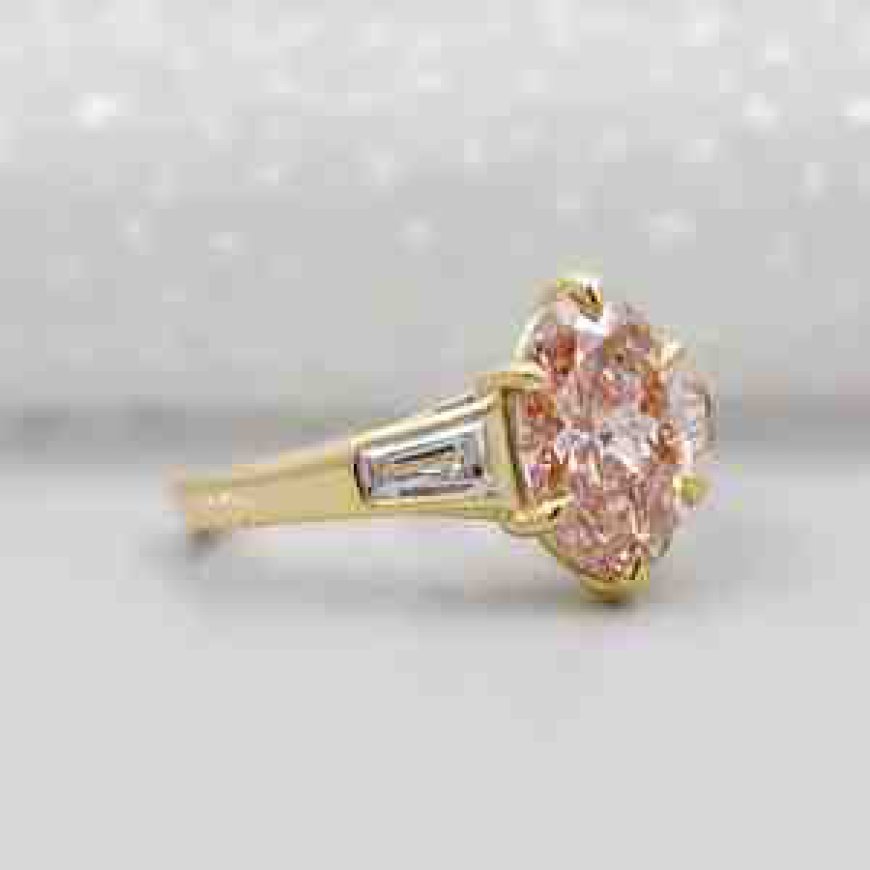
The Complete Guide to Lab Grown Diamonds – Benefits, Quality, and Value
A diamond purchase has always carried emotional meaning. It represents commitment, celebration, milestones, and personal style. But today’s buyers are approaching diamonds differently. Instead of focusing only on tradition, they are also thinking about value, craftsmanship, sustainability, and long-term practicality. That shift is one of the biggest reasons lab grown diamonds have become one of the most discussed choices in modern jewelry.
For many shoppers, the appeal is simple. You can own a larger, brighter, and higher-quality diamond without stretching your budget beyond reason. Whether someone is searching for lab grown diamond rings under $3000 or comparing diamond engagement rings under 3000, the market now offers remarkable options that rival luxury pieces once considered out of reach.
This guide explores everything buyers need to understand about lab grown diamonds, including their creation process, quality standards, pricing advantages, durability, and why they continue to dominate the engagement jewelry market in 2026.
What Exactly Is a Lab Grown Diamond?
A lab grown diamond is a real diamond created using advanced technology that recreates the same natural conditions found deep beneath the earth’s surface. It has the same chemical composition, crystal structure, brilliance, and hardness as a mined diamond.
The only difference is origin.
Natural diamonds form underground over billions of years, while lab grown diamonds are developed in highly controlled environments using modern scientific methods. Once completed, even professional jewelers often require specialized equipment to distinguish between the two.
This is why lab grown diamonds are not considered fake or imitation stones. They are entirely different from cubic zirconia or moissanite. A lab diamond is still a genuine diamond in every technical and visual sense.
Why Buyers Are Choosing Lab Grown Diamonds
Consumer preferences have evolved dramatically over the last few years. Buyers are no longer interested in paying inflated prices simply because something follows old industry traditions. They want transparency, beauty, and strong value.
Lab grown diamonds satisfy all three.
The biggest advantage is price efficiency. A buyer can often purchase a diamond that is significantly larger and cleaner compared to a mined equivalent at the same budget level. This has made engagement rings under $3000 far more attractive to couples who want premium quality without compromising financial priorities.
Another major factor is customization. Since lab grown diamonds are more affordable, buyers can invest more into the ring setting, metal quality, or unique design details instead of spending the entire budget on the center stone alone.
Many younger buyers also appreciate the modern manufacturing process because it offers greater sourcing transparency and predictable quality standards.
Understanding the Quality of Lab Grown Diamonds
One of the most common misconceptions is that lab grown diamonds are somehow lower quality than mined stones. In reality, quality depends on the same grading standards used across the diamond industry.
Every diamond is evaluated using the 4Cs:
Cut
Cut determines how well a diamond reflects light. It has the greatest impact on sparkle and brilliance. A well-cut diamond appears lively, bright, and balanced from every angle.
Even a smaller diamond with an excellent cut can outperform a larger stone with poor proportions.
Color
Diamond color grades range from D to Z. D-grade diamonds are colorless and highly valued for their icy white appearance. Slightly warmer tones become more visible further down the scale.
Lab grown diamonds are commonly available in higher color grades because the creation process allows more consistency.
Clarity
Clarity measures internal inclusions and surface blemishes. Most lab grown diamonds offer impressive clarity levels, making it easier for buyers to find visually flawless stones within reasonable budgets.
Carat Weight
Carat refers to the size and weight of the diamond. One of the biggest reasons shoppers choose lab diamonds is the ability to purchase larger carat weights at better prices.
This is especially attractive for people searching for best value engagement rings under $3000 because they can often afford a one to two-carat diamond that would otherwise cost substantially more in the mined market.
Why Lab Grown Diamonds Offer Better Value
Value is not just about spending less money. Real value means receiving exceptional quality relative to price.
That is exactly where lab grown diamonds stand out.
For example, a mined diamond with premium cut, color, and clarity may exceed many buyers’ budgets once the carat size increases. But lab grown alternatives allow shoppers to prioritize all quality categories simultaneously.
This flexibility changes the buying experience completely.
Instead of settling for a smaller or lower-grade stone, couples can focus on finding a ring they genuinely love. This is why lab grown diamond engagement rings under $3000 have become one of the fastest-growing categories in fine jewelry.
The market has shifted from “affordable alternatives” to genuine luxury options with smarter pricing.
The Rise of Modern Engagement Ring Trends
Today’s engagement rings are more personalized than ever before. Buyers are exploring unique cuts, vintage-inspired settings, hidden halos, elongated shapes, and custom band styles.
Oval, emerald, radiant, and pear-shaped diamonds continue gaining popularity because they create an elegant finger coverage effect while maximizing brilliance.
At the same time, classic solitaire rings remain timeless because they place full attention on the center diamond.
Design houses are also experimenting with intricate detailing inspired by historical jewelry eras. Some vintage collectors are even blending old-world aesthetics with modern stones through styles influenced by Antiquecut craftsmanship, creating rings that feel both timeless and contemporary.
This balance between tradition and innovation perfectly reflects why lab grown diamonds continue attracting modern couples.
Are Lab Grown Diamonds Durable?
Absolutely.
Lab grown diamonds rank 10 on the Mohs hardness scale, exactly like mined diamonds. This makes them suitable for everyday wear, including engagement rings worn for decades.
Their resistance to scratching, chipping, and surface wear makes them one of the most durable gemstones available in the jewelry world.
Proper care still matters, of course. Regular cleaning and safe storage help maintain brilliance over time, but structurally, lab grown diamonds are built to last.
How to Choose the Right Lab Grown Diamond Ring
Buying a diamond should never feel overwhelming. The best approach is understanding where quality matters most for your personal priorities.
Here are several important tips:
Prioritize Cut First
Sparkle always draws attention before size. An excellent cut creates brilliance that immediately stands out.
Don’t Overpay for Invisible Clarity
Many inclusions cannot be seen without magnification. Choosing slightly lower clarity grades can help maximize carat size while maintaining visual beauty.
Select a Shape That Matches Your Style
Round diamonds remain timeless, but elongated shapes like oval and radiant cuts create a larger visual appearance.
Invest in the Setting
A beautifully designed setting transforms the entire ring. Since lab diamonds reduce overall stone cost, many buyers allocate extra budget toward premium craftsmanship.
Compare Certifications
Always purchase certified diamonds graded by respected laboratories. This ensures transparency regarding quality and authenticity.
The Future of Lab Grown Diamonds
The jewelry industry is evolving quickly, and lab grown diamonds are no longer viewed as niche products. They have become mainstream luxury choices.
Retailers across the world are expanding their collections because demand continues rising among buyers seeking better pricing, larger diamonds, and contemporary design flexibility.
As manufacturing technology improves, diamond quality continues becoming even more refined. This means buyers now have access to exceptional stones at price points that previously seemed impossible.
For shoppers exploring diamond engagement rings under 3000, this evolution has completely changed expectations. High-end sparkle no longer requires overwhelming financial sacrifice.
Why Smart Buyers Are Making the Switch
The modern diamond buyer is informed, practical, and style-conscious. They want jewelry that feels meaningful without unnecessary financial pressure.
Lab grown diamonds deliver exactly that balance.
They provide genuine beauty, certified quality, impressive durability, and greater design freedom while keeping budgets manageable. Whether someone wants a minimalist solitaire or a bold statement ring, there are now endless options available within realistic price ranges.
Most importantly, buyers no longer need to compromise between appearance and affordability.
That is why lab grown diamond rings under $3000 continue attracting attention from couples who value both luxury and intelligent spending.
Final Thoughts
The diamond industry has entered a new era where buyers have more control, more transparency, and more value than ever before. Lab grown diamonds are leading that transformation by offering authentic beauty with practical advantages that align with modern lifestyles.
For anyone researching engagement rings under $3000 or searching for the best value engagement rings under $3000, lab grown diamonds represent one of the strongest opportunities in today’s jewelry market.
They are real diamonds with remarkable brilliance, exceptional durability, and pricing that allows buyers to focus on what truly matters — choosing a ring that feels personal, memorable, and built for the future.
If you want to know more in detail about lab grown diamond engagement rings under $3000, exploring certified collections and comparing diamond quality side by side can help you find a piece that perfectly matches your style and budget.