The Link Between Women Empowerment and Poverty Reduction
Women empowerment is not just a social goal—it is an economic necessity. When women have access to education, healthcare, and livelihood opportunities, they contribute directly to household income and community development.
 krishnatomarsf
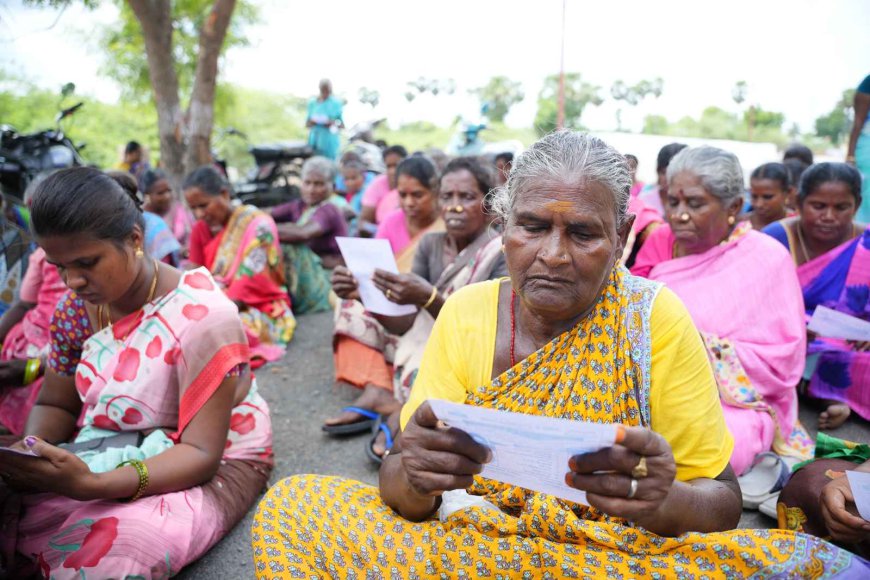
Women empowerment is not just a social goal—it is an economic necessity. When women have access to education, healthcare, and livelihood opportunities, they contribute directly to household income and community development. In India, empowering women has proven to be one of the most effective strategies for reducing poverty and building inclusive growth.
How Women Empowerment Reduces Poverty
1. Economic Participation
Empowered women enter the workforce, start businesses, and contribute to family income. This reduces dependency on a single earner and lifts households out of poverty.
2. Education and Skill Development
Educated women are more likely to educate their children, breaking the cycle of poverty across generations. Skill development programs equip women with practical abilities to secure jobs or start enterprises.
3. Healthcare and Nutrition
Women who are empowered make better health decisions for themselves and their families. Improved maternal and child health reduces medical expenses and increases productivity.
4. Financial Independence
Access to microfinance and self-help groups (SHGs) allows women to save, invest, and build small businesses. Financial independence strengthens resilience against economic shocks.
5. Community Impact
Empowered women often reinvest earnings into education, healthcare, and nutrition for their families. This creates a ripple effect that benefits entire communities.
Role of NGOs in Empowering Women
NGOs play a critical role in linking women empowerment to poverty reduction. Smile Foundation, for example, runs livelihood programs that train women in tailoring, handicrafts, food processing, and digital literacy. These initiatives not only provide skills but also connect women to markets and employers. By integrating education, healthcare, and livelihood support, NGOs ensure holistic empowerment that directly reduces poverty.
Real-Life Impact
-
Women trained in tailoring have started small businesses, supporting their families and sending children to school.
-
Digital literacy programs have enabled rural women to find jobs in e-commerce and data entry.
-
Self-help groups supported by NGOs have given women access to credit, helping them start micro-enterprises.
Building Inclusive Growth
Women empowerment and poverty reduction are inseparable. By supporting women through education, healthcare, and livelihood programs, India can accelerate progress toward inclusive growth. NGOs like Smile Foundation demonstrate how targeted interventions create measurable impact. Empowering women is not just about equality—it is about building stronger families, resilient communities, and a more prosperous nation.
Towards Prosperity
The link between women empowerment and poverty reduction is clear: when women thrive, families prosper, and communities grow stronger. Supporting NGOs, volunteering, or contributing to livelihood programs ensures that women have the tools to break barriers and build futures. Towards prosperity, India’s path lies in empowering women to lead the fight against poverty.