The Most Important Tactical Metrics in Modern Football Analysis
key metrics used in modern football analysis, including expected goals, pressing stats, and ball progression data that help analysts understand team performance.
 Best Previews
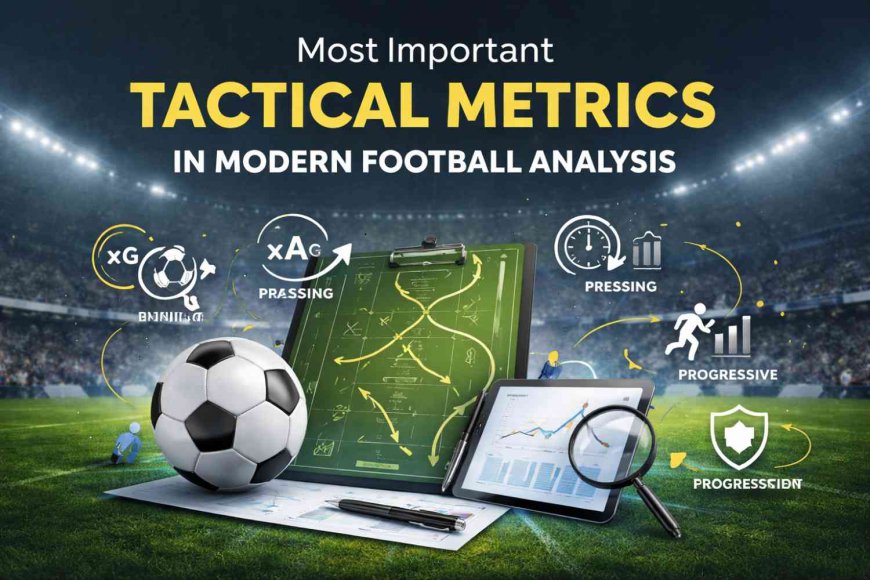
Football once relied on basic numbers—goals, assists, and possession percentages scribbled into match reports like sacred truths. Modern analysis, however, digs deeper. Tactical metrics now reveal how teams actually function beneath the surface. Analysts explore patterns, pressure, and positioning to understand performance more clearly. This evolution has transformed how coaches, scouts, and fans interpret matches, making football tactical analysis an essential part of the modern game.
The Rise of Data in Modern Football
Data quietly infiltrated football offices over the last decade—first as curiosity, then as necessity. Clubs now employ analysts who combine video breakdowns with sophisticated models to uncover tactical patterns. Numbers highlight trends invisible to the naked eye, helping teams evaluate strategies and opponents. The same analytical approach increasingly shapes media discussions and informs modern football match predictions.
Expected Goals (xG): Measuring Chance Quality
Shot totals often tell a misleading story. Expected Goals, commonly known as xG, evaluates the probability that a shot becomes a goal based on location, angle, and defensive pressure. Analysts value this metric because it measures chance quality rather than volume. A team with fewer shots may still generate better opportunities—a nuance that traditional statistics rarely capture.
Expected Assists (xA): Understanding Creative Impact
Playmakers rarely receive full credit when teammates miss clear chances. Expected Assists, or xA, attempts to correct that imbalance. This metric estimates the likelihood that a pass becomes a goal-scoring opportunity. By focusing on the quality of chance creation, analysts identify players whose creativity drives attacking moves—even when the final shot fails to find the net.
Pressing Metrics and Defensive Pressure
Pressing intensity defines many modern tactical systems. Metrics such as passes allowed per defensive action help analysts measure how aggressively a team disrupts opponents. High-pressing teams often compress space and force mistakes higher up the pitch. These numbers reveal whether a pressing strategy is coordinated brilliance—or simply enthusiastic chaos masquerading as tactical discipline.
Progressive Passes and Ball Progression
Advancing the ball effectively often separates dynamic teams from predictable ones. Progressive passes track how frequently players move the ball closer to the opponent’s goal. Analysts use this metric to highlight midfielders who consistently break defensive lines. In many tactical systems, progression—not possession alone—determines whether an attack becomes dangerous.
Possession Value and Build-Up Metrics
Possession itself has become a misleading statistic. Modern models assign value to each phase of possession based on how much it increases scoring probability. Passing networks and build-up sequences reveal which players control tempo and direction. These insights help analysts understand whether a team’s possession represents genuine attacking intent or merely harmless circulation.
Defensive Metrics Beyond Tackles
Traditional defensive statistics—tackles and clearances—capture only fragments of a defender’s job. Modern metrics focus on positioning, interceptions, pressures, and spatial control. Analysts increasingly evaluate how players shape defensive structure rather than simply how often they slide into tackles. After all, the best defenders frequently prevent danger long before a desperate challenge becomes necessary.
Player Impact Models and Overall Contribution
Advanced player models combine multiple metrics into a single evaluation of overall influence. These systems measure contributions in possession, creation, and defense simultaneously. Clubs use such models during recruitment and tactical planning, searching for players whose impact extends beyond visible statistics. The process resembles assembling a puzzle—each metric adding another piece to the full picture.
Limitations of Tactical Metrics
Numbers illuminate patterns, but they rarely tell the entire story. Tactical systems, match context, and player roles can distort statistical interpretations. A defensive midfielder shielding the back line may appear quiet statistically while performing essential tactical work. Smart analysts therefore treat data as guidance rather than absolute truth—useful clues, not definitive verdicts.
Practical Applications for Analysts and Fans
Tactical metrics once belonged exclusively to club analysts. Today, they appear in broadcasts, blogs, and fan discussions worldwide. Supporters increasingly explore data to understand team performance and strategy. Used wisely, these metrics enrich football conversations—turning debates from simple opinions into informed discussions supported by evidence.
Conclusion
Modern football analysis blends numbers with tactical insight, producing a deeper understanding of how the game unfolds. Metrics such as xG, pressing data, and progression statistics reveal patterns that traditional stats overlook. Yet the game remains beautifully complex. Numbers explain much—but never everything. That mystery, perhaps, remains football’s greatest charm.
FAQs
What are tactical metrics in football analysis?
Tactical metrics are advanced statistics used to evaluate team strategies, player roles, and match performance. They go beyond traditional stats by measuring aspects such as chance quality, pressing intensity, ball progression, and defensive positioning.
Why is Expected Goals important in football analytics?
Expected Goals evaluates the quality of scoring chances rather than simply counting shots. This helps analysts understand whether a team creates dangerous opportunities or merely attempts low-probability efforts.
How do analysts use data for match predictions?
Analysts study patterns such as chance creation, defensive pressure, and attacking efficiency. These insights help estimate potential outcomes and team performance trends before upcoming matches.
Can statistics fully explain football performance?
Statistics provide valuable insight but cannot fully capture tactical context, player roles, or unpredictable match moments. Video analysis and tactical understanding remain essential companions to data.
Which metrics are most useful for evaluating players?
Commonly used metrics include expected goals, expected assists, progressive passes, defensive pressures, and possession value models. Together, these indicators help analysts evaluate a player’s overall contribution within a tactical system.