The Role of Facial Proportion Analysis in Successful Rhinoplasty Results
Learn how Rhinoplasty in Islamabad uses facial proportion analysis to create balanced, natural-looking results designed around individual features.
 Dynamic Aesthetic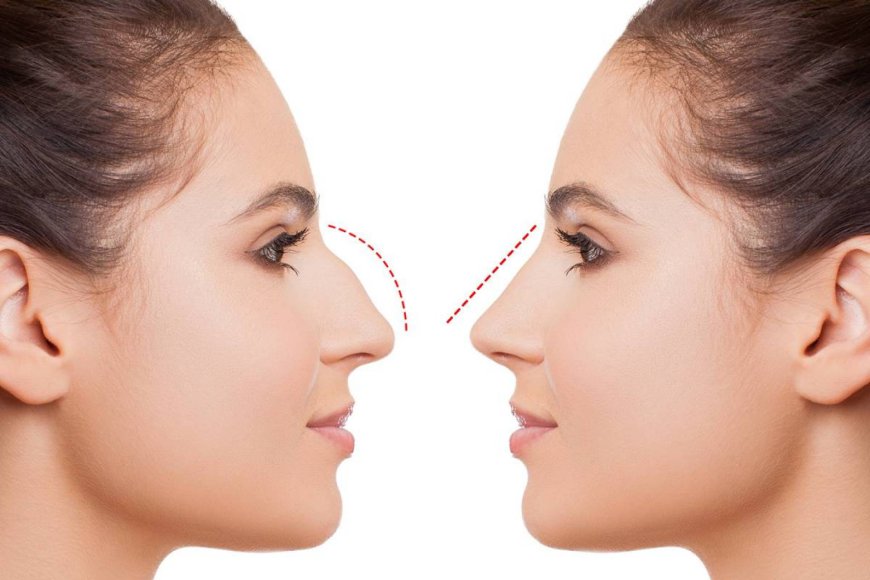
A beautiful face is not defined by a single feature but by how all facial elements work together. The nose plays a central role in facial balance, and even small changes can influence the overall appearance of the face.
This is why modern rhinoplasty focuses on more than simply changing the shape of the nose. Understanding facial proportions helps surgeons create results that look natural and complement the person’s unique features.
A balanced face begins with understanding the relationship between every feature.
Through Rhinoplasty in Islamabad, advanced approaches focus on facial proportion analysis to develop customized plans that support harmony, balance, and natural-looking improvements.
Understanding Facial Proportion Analysis
Facial proportion analysis is the process of evaluating how different facial features relate to each other. It helps identify the ideal relationship between the nose, cheeks, lips, chin, and other areas of the face.
Every individual has unique facial measurements and characteristics. A nose that looks balanced on one person may not create the same effect on another.
Personalized analysis helps create results that fit the individual face.
By studying these proportions, surgeons can better understand what changes may enhance overall facial harmony.
Why Facial Balance Matters in Rhinoplasty
The nose is located at the center of the face, which makes its size and shape highly influential. If the nose is not proportionate with other features, it may affect the overall facial appearance.
Successful rhinoplasty aims to improve balance rather than create an isolated change.
The goal is harmony between features, not a completely different appearance.
A well-balanced nose should complement the face while maintaining the person’s natural identity.
The Importance of Detailed Facial Evaluation Before Surgery
Before rhinoplasty, surgeons perform a detailed evaluation of facial structure and nasal characteristics. This helps them understand the patient’s anatomy and aesthetic goals.
The assessment may include examining nasal shape, facial angles, skin quality, and overall proportions.
Proper evaluation creates the foundation for better rhinoplasty planning.
This careful process allows surgeons to design an approach that matches each person’s individual needs.
How Facial Features Influence Rhinoplasty Planning
Different facial structures require different rhinoplasty approaches. The relationship between the nose and other features can influence decisions about shape, size, and refinement.
For example, changes that suit a person with a narrow face may not be ideal for someone with a wider facial structure.
Every face requires a customized surgical strategy.
Understanding these differences helps create more natural and balanced outcomes.
Rhinoplasty in Islamabad: The Role of Proportion-Based Planning
Modern rhinoplasty combines medical expertise with aesthetic understanding. Facial proportion analysis allows surgeons to create treatment plans based on individual facial characteristics.
A personalized rhinoplasty approach may involve:
- Evaluating facial symmetry and balance
- Understanding nasal structure and appearance
- Considering the relationship between facial features
- Developing a customized surgical plan
Individual planning helps achieve results that feel natural and refined.
This approach allows rhinoplasty to focus on enhancing the entire face rather than only modifying the nose.
Creating Natural-Looking Rhinoplasty Results
Many people seek rhinoplasty because they want improvements while maintaining their natural appearance. Overly dramatic changes may create an imbalance between the nose and other facial features.
A proportion-based approach helps avoid results that appear artificial.
Natural beauty comes from maintaining facial harmony.
The purpose of rhinoplasty is usually refinement, allowing the nose to better fit the overall facial structure.
The Connection Between Facial Symmetry and Appearance
Facial symmetry contributes to how people perceive beauty and balance. Although perfect symmetry does not exist naturally, improving proportion can create a more harmonious appearance.
Rhinoplasty planning considers both symmetry and individuality.
Balanced features create a more pleasing facial appearance.
Surgeons use their expertise to determine improvements that suit each person’s unique structure.
The Role of Patient Goals in Proportion Analysis
Every patient has different expectations from rhinoplasty. Some may want subtle refinement, while others may need structural improvements.
Understanding personal goals helps surgeons create a realistic and personalized approach.
Successful outcomes come from combining patient expectations with expert guidance.
Clear communication allows the treatment plan to reflect both aesthetic preferences and facial anatomy.
Why Experience Matters in Facial Aesthetic Procedures
Rhinoplasty requires careful attention to small details because the nose has a major impact on facial appearance. Surgeons must understand both functional and aesthetic aspects.
Experience allows professionals to evaluate proportions and make decisions that support natural-looking results.
Expertise is essential when working with facial balance.
Choosing a qualified surgeon helps patients receive guidance based on their individual facial structure.
How Rhinoplasty Can Improve Facial Confidence
Facial features can influence how people feel about their appearance. When the nose feels more balanced with other features, many individuals experience increased confidence.
Rhinoplasty is not only about physical changes but also about improving personal satisfaction.
Confidence grows when appearance feels aligned with self-image.
A personalized approach helps individuals achieve improvements while respecting their natural features.
The Growing Importance of Personalized Rhinoplasty Approaches
Cosmetic surgery has evolved from standard techniques to more customized procedures. Today, surgeons focus on understanding individual anatomy and creating results that match each person.
This shift has made facial analysis an essential part of modern rhinoplasty planning.
Personalization is shaping the future of aesthetic treatments.
Patients increasingly prefer results that look natural and specifically designed for them.
Why Rhinoplasty in Islamabad Focuses on Individual Facial Needs
The demand for advanced cosmetic procedures is increasing in Pakistan as more people seek professional and personalized solutions. Modern rhinoplasty approaches focus on safety, precision, and facial harmony.
Rhinoplasty in Islamabad provides individuals with opportunities to improve nasal appearance through customized planning based on facial proportions.
This approach helps create results that support both aesthetic goals and natural facial balance.
The Future of Facial Proportion-Based Rhinoplasty
Advancements in cosmetic surgery continue to improve how surgeons analyze and plan rhinoplasty procedures. Better assessment methods allow for more detailed understanding of facial structure.
Future approaches will continue focusing on personalization, precision, and natural outcomes.
The future of rhinoplasty is centered around individuality and balance.
Understanding facial proportions will remain a key part of achieving successful results.
Choosing the Right Clinic for Proportion-Based Rhinoplasty
Selecting an experienced clinic is an important step for anyone considering rhinoplasty. Professional evaluation, advanced techniques, and skilled surgeons help ensure that treatment plans are designed according to individual facial needs.
For those considering Rhinoplasty in Islamabad, Dynamic Clinic Pk provides expertise, board-certified surgeons, and advanced techniques focused on facial proportion analysis, customized rhinoplasty planning, and natural-looking results.