How Many Golf Balls Are Lost in Water Hazards Each Year
Learn how many golf balls are lost in water hazards yearly, why ponds and lakes claim so many, and how golfers can reduce losses safely.
 waterweaselretriever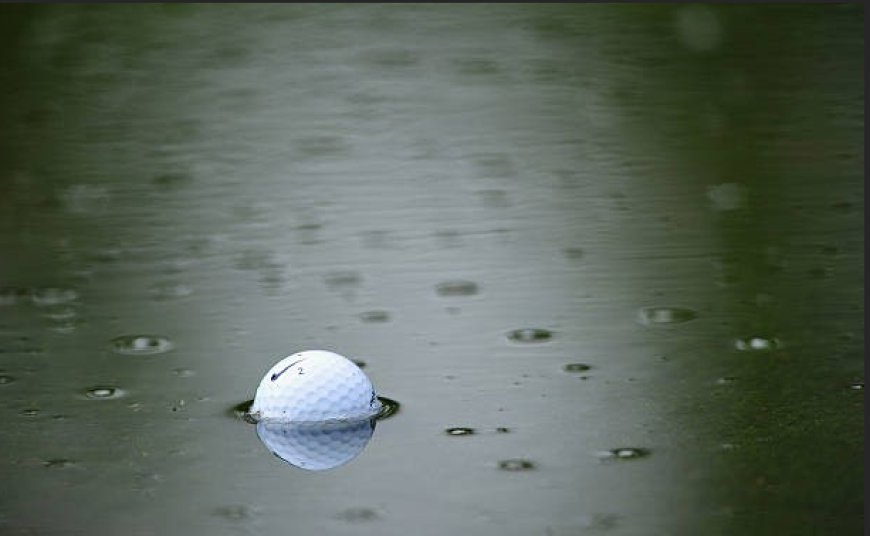
Are you tired of watching a good shot splash into the water and disappear before you can even react? Every golfer knows how frustrating it feels when a pond, creek, or lake turns one swing into a penalty. Water hazards are part of the game, but they can quietly add up to lost money, slower rounds, and missed scoring chances.
Understanding why so many golf balls end up underwater can help players make smarter decisions, recover safely when possible, and approach hazard-heavy holes with more confidence during every round.
Key Takeaways
-
Water hazards collect many lost golf balls.
-
Mud, weeds, and algae make recovery difficult.
-
Slippery banks can make retrieval unsafe.
-
Smarter shot choices help reduce penalties.
-
A retriever can help recover reachable balls safely.
How Many Golf Balls Are Actually Lost in Water?
The exact number of golf balls lost in water hazards each year is impossible to determine because most golf courses do not track every ball that ends up in ponds, lakes, creeks, or other water features. However, the overall scale of golf ball loss is well documented.
According to research cited by Cronkite News, an estimated 300 million golf balls are lost or discarded in the United States every year. While not all of these balls end up in water, ponds and lakes are among the most common places where they become difficult to recover because they often sink into mud, vegetation, or deep water.
The large number of balls found in course water hazards has also led to a specialized recovery industry. ESPN reports that professional divers recover golf balls from lakes and ponds at courses across the country, with some of the busiest locations producing thousands of balls during a single collection. At the iconic 17th hole at TPC Sawgrass, course officials estimate that more than 120,000 golf balls land in the surrounding water each year, highlighting just how quickly water hazards can accumulate lost balls.
Why Water Hazards Collect So Many Balls
Water hazards are built to challenge accuracy, distance control, and decision-making. A pond beside a green, a creek crossing the fairway, or a lake guarding a par 3 can punish even a small mistake. Beginners may lose balls because of slices, hooks, topped shots, or poor club selection. Skilled golfers can lose them too when wind, pressure, bad lies, or aggressive targets affect the shot.
Visibility makes the problem worse. Clear shallow water may allow easy recovery, but many course ponds are dark, muddy, or covered with algae. Once golf balls sink into weeds, soft mud, or deeper water, they often disappear from view. Even when a ball is visible, golfers may avoid reaching for it because wet banks can be slippery, steep, or unstable. This is why some players keep a golf ball collector handy for safer recovery near shallow water.
What Happens to Balls Left in Water?
Golf balls are designed to be durable, which helps them handle repeated club impact. That same durability means they can remain in water for a long time. Over time, balls left in ponds and lakes may contribute to waste buildup, especially when hazards are not cleaned regularly. The level of impact depends on water depth, course maintenance, recovery programs, and whether the hazard connects to natural waterways.
Not every ball is wasted forever. Many courses and recovery teams remove submerged balls, then clean, sort, grade, and resell them. This gives usable balls a second life and supports more affordable options for practice or casual play. Players who want safer recovery tools may compare options from a ball retriever store, while larger practice facilities may use a golf range retriever to collect balls more efficiently.
How Golfers Can Lose Fewer Balls
The best way to reduce lost golf balls is through smarter course management. Instead of aiming directly over water when the carry distance is uncertain, choose a safer landing area. A controlled shot may not feel exciting, but it can prevent penalty strokes and save money.
Club choice also matters. Many golfers lose balls because they swing too hard or choose a club that requires perfect contact. A smoother swing with the right club often produces better results than forcing distance over water. Golfers who play water-heavy courses should also keep practical golf accessories in their bag.
Conclusion
Lost golf balls in water hazards are more than a small frustration during a round. They create additional costs for golfers, cleanup challenges for courses, and potential waste concerns when balls remain underwater for extended periods. While exact numbers are difficult to confirm, available estimates indicate that water hazards account for a significant share of annual ball losses.
Golfers can reduce the problem by choosing safer targets, selecting clubs more carefully, tracking where each shot lands, and recovering balls only when it is safe to do so. Smart play keeps the round smoother, cheaper, and more enjoyable.
FAQs
How many golf balls are lost in water hazards each year?
There is no exact official number, but estimates suggest hundreds of millions of golf balls are lost or discarded in the United States each year. A major share ends up in water hazards.
Why do so many golf balls end up in water?
Golf balls often land in water because of slices, hooks, poor club choice, wind, bad contact, or aggressive shots over ponds, lakes, and creeks.
Are golf balls left in water bad for the environment?
They can be a concern because golf balls are made of durable synthetic materials that may remain in water for extended periods. The impact depends on recovery efforts, water movement, and course maintenance.
Can golfers safely recover balls from water hazards?
Golfers should only recover balls when it is safe. Slippery banks, deep mud, steep edges, and unclear water can be dangerous. A retriever can help with balls close to the edge.
How can golfers lose fewer balls in water?
Golfers can lose fewer balls by aiming away from hazards, choosing the right club, avoiding risky shots, watching the ball until it stops, and using recovery tools when safe to do so.