The Spider Problem Canadian Homeowners Keep Mishandling Year After Year
 johnkay1998123
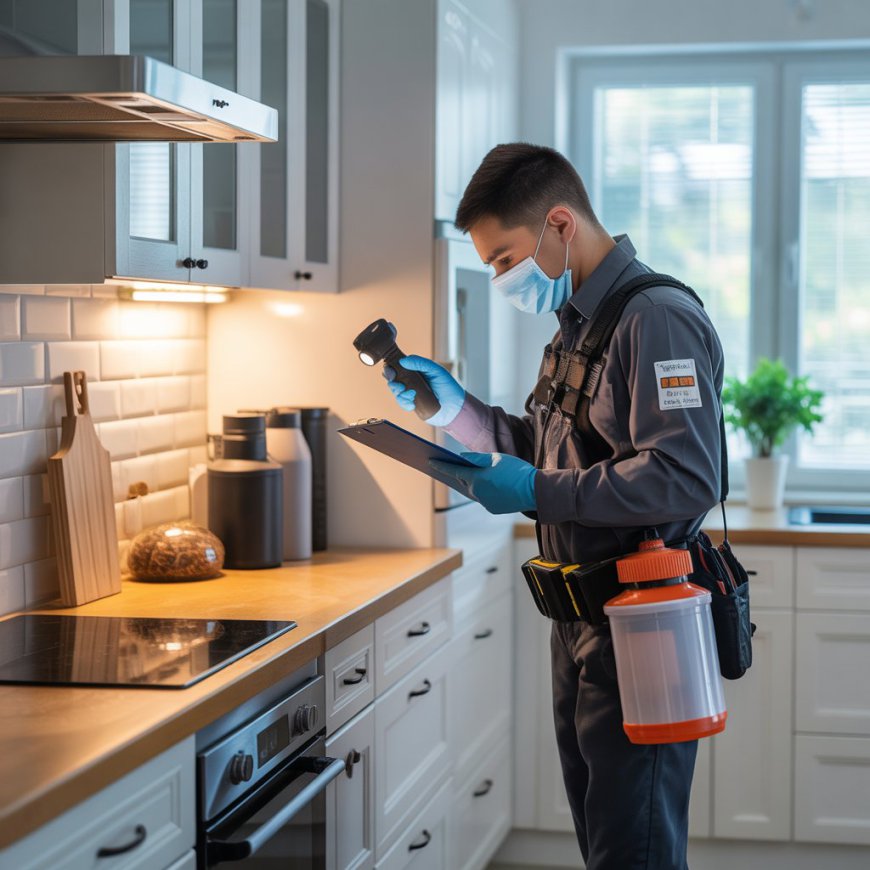
It starts with one web in a basement corner. Easy enough to sweep away. Then another appears near the utility room. A few more show up along the garage ceiling. By the time a homeowner realizes the house has an active infestation, there are webs in places they have not looked in weeks, egg sacs tucked behind storage boxes, and spiders appearing in living areas where they were not before.
Most people's response is to buy a can of spray from the hardware store, knock down the visible webs, and consider the problem resolved. Within two to three weeks, the webs are back. The spiders were never gone. The egg sacs were not found. The entry points were never sealed. And the insect population inside the home that was feeding and sustaining the spiders in the first place was never addressed.
This cycle repeats itself in homes and businesses across Canada every year, and it is the reason so many people find themselves dealing with recurring spider problems despite their best efforts to handle it themselves.
Why Spider Infestations in Canadian Homes Follow a Predictable Pattern
Understanding the seasonal and behavioral drivers behind spider activity in Canada makes the infestation cycle much easier to interrupt.
Canada's diverse climate, from the humid Maritimes to the dry Prairies, supports a wide variety of arachnid species. The behavioral pattern that drives indoor infestations is consistent across most of them: spiders move indoors when outdoor conditions change, and they stay once they find a stable food source.
The Autumn Entry Window
In Canada, colder months often push spiders indoors, leading to infestations. The transition from late summer to early fall is the primary entry window. Temperatures drop overnight, insects become more active at lower altitudes, and spiders follow both the warmth and the food supply into residential and commercial structures.
The entry points are almost always structural: gaps around window frames and door seals, cracks in foundation walls, utility penetrations where pipes and cables enter the building, and unscreened vents. These are not hard to address, but they need to be identified and sealed systematically rather than left open year after year.
The Insect Connection
Sometimes another insect infestation is present, such as ants or gnats, attracting spiders to your home. This is one of the most frequently overlooked aspects of spider control. A home with an active fly, gnat, or moth problem is a food-rich environment for spiders. Treating the spiders without addressing the underlying insect population is the primary reason DIY spider control fails to hold.
Professional pest assessment looks at both layers: the spider activity and the prey population sustaining it.
Egg Sac Reproduction Rates
Female spiders can produce multiple egg sacs, each containing dozens to hundreds of spiderlings, allowing populations to grow quickly during late summer and early fall. A single missed egg sac represents the next generation of an infestation. This is why surface-level treatment without thorough inspection of harbourage areas — behind stored items, inside wall voids, in ceiling junctions — produces temporary results at best.
Common Spider Species Found in Canadian Homes and What They Signal
Identification matters because different species have different behaviors, harbourage preferences, and risk profiles. Treating every spider situation the same way produces inconsistent outcomes.
Common House Spider (Parasteatoda tepidariorum)
Typically found in basements, attics, and corners of rooms, the common house spider is the species most frequently encountered by Canadian homeowners. It builds tangled cobwebs in low-traffic areas and is largely harmless. High populations usually indicate structural gaps allowing continuous entry and a stable indoor food source.
Wolf Spider
These large, hairy hunters do not spin webs to catch prey. In provinces like Ontario, Manitoba, and Saskatchewan, they are often spotted scuttling across floors or along baseboards during the late summer and autumn. Their size and speed make them alarming to most homeowners. They enter from ground level and are often a sign of moisture-related entry points or gaps in door seals and foundation cracks.
Cellar Spider
Frequently called Daddy Longlegs, these spiders thrive in the damp, cool climates of Canadian basements and crawl spaces. High cellar spider populations are a reliable indicator of excess moisture in a basement or crawl space, which also supports the fungus gnat and millipede populations that cellar spiders feed on. Humidity management is part of effective long-term control for this species.
Yellow Sac Spider
The sac spider is often pale yellow, grey, or green in colour and is likely responsible for most indoor spider bites in Canada. Unlike web-building species, sac spiders are active hunters that roam at night and are more likely to come into contact with sleeping occupants or individuals reaching into dark storage areas. Bites are not medically serious for most healthy adults but cause localized irritation and are worth addressing proactively.
Black Widow and Brown Recluse
Although extremely rare, black widow spider and brown recluse spider bites can be deadly to humans. There are a few black widow species that can be found in Canada, mainly in the southern parts of the country. Confirmed or suspected presence of either species warrants immediate professional assessment rather than DIY treatment.
Why DIY Spider Control Consistently Underperforms
The gap between what over-the-counter spider treatments can do and what a professional treatment achieves is meaningful and consistent.
Store-bought sprays are contact killers. They kill spiders they touch directly but have limited residual effect. Spiders, unlike crawling insects, spend most of their time above floor level in web structures, seldom walking across treated surfaces. This is why baseboard perimeter sprays that are effective against ants and cockroaches produce inconsistent results against spiders.
Knocking down webs without removing egg sacs is the most common homeowner error. Egg sacs are typically anchored in protected locations specifically chosen for their inaccessibility. They are easy to miss and resilient to incidental contact.
Complete removal of spiders using chemicals is not recommended because spiders are natural and efficient pest control agents. Effective treatment is targeted, not blanket. It addresses harbourage locations, entry points, and the conditions that make the property attractive to spiders in the first place, rather than attempting to eliminate every spider in the structure indiscriminately.
What Professional Spider Control Actually Involves
Professional spider control is not a single treatment applied uniformly. It is a structured process with distinct phases that each contribute to a different part of the outcome.
Inspection and Species Identification
The first step is a thorough inspection of interior and exterior areas, identifying the species present, locating active harbourage areas, finding egg sacs, documenting entry points, and assessing the insect population sustaining the infestation. This information determines which treatment methods are appropriate and where they need to be applied.
Targeted Interior Treatment
Interior treatment focuses on harbourage areas, not just visible spiders. This includes web and egg sac removal in basements, attics, storage areas, utility rooms, and crawl spaces, combined with residual treatment in voids and crevices where spiders harbor. Crack and crevice applications with appropriate residual products reach the areas where spiders actually spend most of their time.
Exterior Perimeter Treatment
Residual treatments around the outside of your property ensure long-term protection against spiders and prevent them from going indoors. Exterior perimeter treatment targets the transition zone between outdoor habitat and the structure, where spiders concentrate before entry. This is the layer that prevents the continuous re-entry that makes interior-only treatment a temporary fix.
Entry Point Sealing
Sealing identified entry points is the structural component of effective spider control. Caulking gaps around window frames, weatherstripping door seals, installing appropriate vent covers, and filling foundation cracks reduces the continuous entry pressure that sustains indoor populations. Without this step, perimeter treatment has to be reapplied continuously to compensate for open access.
Why Recurring Infestations Require a Different Approach
For properties with persistent, recurring spider infestations, a one-time treatment rarely produces lasting results. The conditions that made the property attractive to spiders — structural entry points, a food insect population, moisture-supporting harbourage environments — continue to create infestation pressure after a single treatment cycle.
A maintenance programme that includes seasonal perimeter treatment timed to the autumn entry window, annual interior inspection, and monitoring of moisture levels in basements and crawl spaces addresses the infestation on a timeline that matches how spiders actually operate.
This is the approach that produces multi-season control rather than temporary relief. It requires working with a provider that understands Canadian spider seasonality and has the treatment capability to address all phases of the infestation cycle rather than just the visible surface layer.
For spider pest control in Canadian homes and businesses, Invaders Canada provides professional inspection, targeted treatment, and ongoing prevention programmes with safe, effective methods for both residential and commercial properties across the region.
FAQ
Q: When is spider season in Canada and when should homeowners act?
A: Spider activity in Canadian homes peaks in late summer and early fall, typically from August through October, as dropping overnight temperatures drive spiders indoors to seek warmth. This is when most homeowners first notice an increase in spider sightings. However, the most effective time to act is before the peak season begins. Exterior perimeter treatment applied in late July or early August intercepts spiders during the period of highest outdoor activity, before they concentrate against the structure and begin seeking entry. Homeowners who wait until they see multiple spiders indoors are already past the ideal prevention window and managing an established infestation rather than preventing one.
Q: How do I know if I have a spider infestation or just occasional spiders?
A: Occasional spider sightings, particularly in autumn, are normal in most Canadian homes and do not indicate an infestation. Signs of an actual infestation include multiple webs appearing in different areas of the home simultaneously, webs being rebuilt quickly after removal, egg sacs found in protected locations like behind stored boxes, in ceiling corners, or in undisturbed storage areas, and spiders appearing regularly in living areas rather than just in basements or utility rooms. Finding a large number of small spiderlings together is a definitive sign that an egg sac has hatched recently and the population is actively growing. If any of these signs are present, professional inspection is the appropriate response rather than continued DIY treatment.
Q: Are spider control treatments safe for children and pets?
A: Professional spider control treatments, when applied by a licensed pest control technician, are selected and applied to minimize risk to household occupants. Licensed technicians in Canada are required to use Health Canada registered pesticides and to apply them according to label specifications that account for proximity to occupants. Standard practice includes recommending that children and pets vacate treated areas for a specified period after application, typically two to four hours for interior treatments, and that surfaces are allowed to dry before resuming normal use. Homeowners should inform their pest control provider of any specific health sensitivities, the presence of young children, or any pets that spend time in areas being treated. This allows the technician to select the most appropriate formulations and application methods for the specific household situation.