The Ultimate Guide to Custom Patches: Types, Uses, and How to Choose the Right One
 elizabeth1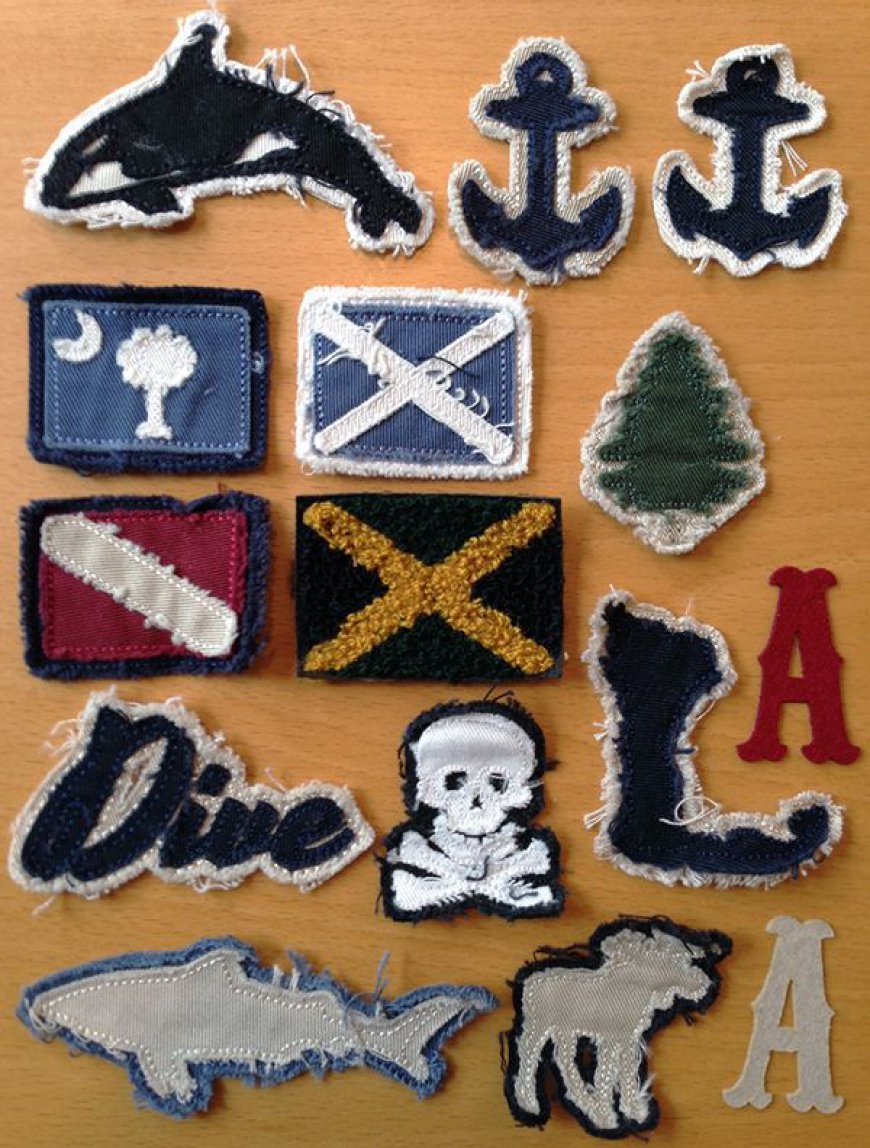
Custom patches have quietly become one of the most versatile branding and personalization tools available today. From military insignia to streetwear collabs, from scout badges to startup swag, patches carry identity in a way that stickers and printed labels rarely can. If you've ever wondered why patches remain so popular despite decades of changing fashion trends, the answer lies in their durability, tactile appeal, and the sheer range of styles available to fit almost any purpose.
This guide walks through what makes patches such a powerful branding tool, the main types available, and how to think through the decision-making process before placing an order.
Why Patches Still Matter in Modern Branding
In an age of digital-first marketing, it might seem odd that a piece of embroidered fabric can hold so much value. But patches solve a problem that digital ads can't: they create a physical, wearable connection to a brand or identity. A patch on a jacket, backpack, or uniform becomes part of someone's daily life, not just a fleeting impression on a screen.
Businesses use patches to build team identity, uniform recognition, and loyalty merchandise. Nonprofits and clubs use them to mark milestones and memberships. Even individual creators use patches to build a merchandise line without the overhead of full apparel production. Because they're small, durable, and relatively inexpensive to produce at scale, patches offer a strong return on investment compared to many other promotional items.
The Main Types of Custom Patches
Not all patches are created equal, and understanding the different manufacturing methods helps you pick the right one for your project.
Embroidered patches are made by stitching thread onto a fabric backing, creating a textured, slightly raised surface. They have a classic, traditional look that works especially well for uniforms, workwear, and anything meant to convey durability and heritage.
Woven patches are produced using a tighter weave of thinner threads, resulting in a flatter, more detailed finish. They're ideal when a design includes fine text, gradients, or intricate artwork that embroidery can't render cleanly. If you're deciding between these two options for your next project, it's worth reading a detailed breakdown like this embroidered patches vs woven patches comparison, which walks through appearance, durability, and cost differences in depth.
PVC and rubber patches offer a bold, 3D look with bright colors and are highly weather-resistant, making them popular for outdoor gear, tactical apparel, and morale patches.
Leather and faux leather patches bring a rugged, premium aesthetic often seen on hats, denim, and accessories.
Chenille patches use a soft, textured yarn that gives a vintage varsity-jacket feel, popular in collegiate and retro fashion branding.
Each style has its own strengths, and many brands end up using a mix depending on the product line or campaign.
Choosing the Right Patch for Your Project
Before placing an order, it helps to think through a few key questions:
What's the design complexity? Simple logos with bold shapes and limited colors tend to work beautifully as embroidered patches. Detailed artwork, small text, or photorealistic elements are better suited to woven or printed methods.
Where will the patch be used? Uniforms and workwear benefit from the durability and classic look of embroidery. Fashion-forward apparel or promotional merchandise often leans toward woven or PVC patches for a sleeker finish.
What's the budget and order volume? Larger, simpler designs are often more economical with embroidery, while smaller, highly detailed designs can be more cost-effective when woven, since they don't require as much stitching coverage.
How will the patch be attached? Iron-on, sew-on, and Velcro-backed options all serve different purposes — Velcro backing works well for interchangeable patches, while sew-on options are more permanent and secure for daily wear.
Getting these fundamentals right before you finalize a design saves time, reduces revision costs, and ensures the final product looks the way you envisioned it.
Sourcing Quality Custom Patches
Once you've settled on a design direction, sourcing from a reliable manufacturer matters just as much as the design itself. Look for suppliers who offer a wide range of styles, transparent pricing, and samples or proofs before full production. A good supplier will also guide you on backing options, thread quality, and edge finishing — small details that significantly affect how long a patch lasts.
Many manufacturers specialize in a broad catalog of options, from embroidered and woven to PVC, leather, and chenille, allowing you to order everything from one place rather than juggling multiple vendors. If you're exploring options for an upcoming project, browsing a supplier's full range of custom patches is a good starting point to compare styles, pricing, and turnaround times side by side.
Final Thoughts
Custom patches sit at an interesting intersection of tradition and modern branding. They're old enough to feel timeless, yet flexible enough to fit contemporary streetwear, corporate uniforms, and everything in between. Whether you're outfitting a team, building a merchandise line, or commemorating an achievement, the right patch style — chosen thoughtfully based on design, use case, and budget can turn a simple accessory into a lasting piece of identity.
Take the time to understand the differences between manufacturing methods, work with a supplier who values quality control, and you'll end up with patches that hold up as well aesthetically as they do physically, season after season.