Floor Graphic Durability Test Results: What Fails First and Why
See what fails first in a floor graphic test, from edge lifting to surface wear, and learn how to choose safer, longer-lasting floor graphics.
 tsfdirect
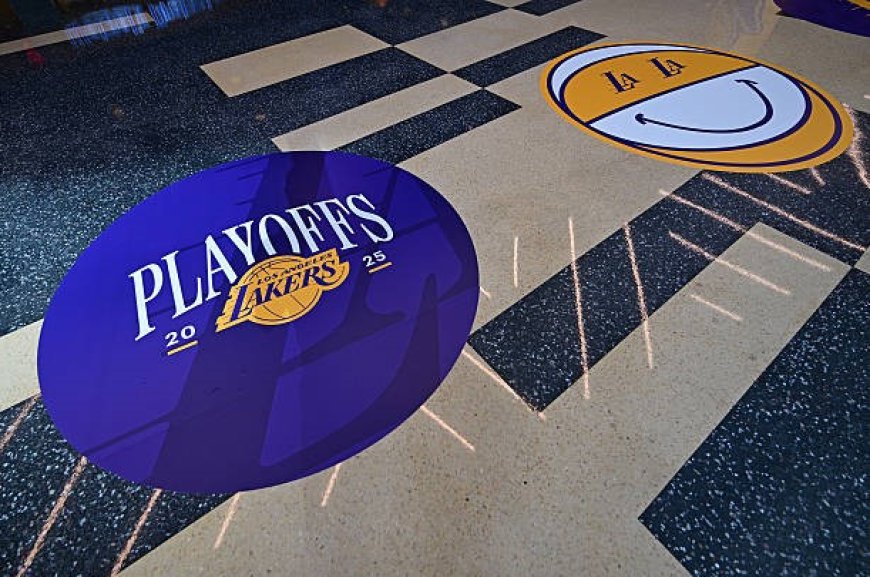
Are you wondering why some floor graphics look sharp for weeks while others start peeling within days? A floor graphic faces constant pressure from shoes, carts, cleaning tools, dirt, moisture, and uneven surfaces. That makes durability testing more than a technical detail; it is the difference between a polished brand display and an early replacement cost.
This blog breaks down what testing really measures, which parts usually fail first, and how surface choice, traffic patterns, and installation quality affect performance. By understanding these results, businesses can choose graphics that look professional, stay safer, and last longer in real-world spaces every day.
Key Takeaways
-
A floor graphic works best when the material, adhesive, laminate, and floor surface are compatible.
-
Edge lifting, scuffing, laminate wear, and adhesive failure are often the first signs of poor performance.
-
Surface preparation plays a major role in how long the graphic stays secure.
-
High-traffic areas need stronger materials and smarter placement.
-
Testing helps prevent early damage, safety concerns, and wasted replacement costs.
What Floor Graphic Durability Testing Measures
A floor graphic may look like a simple printed piece, but its performance depends on several parts working together. Testing goes beyond the design itself and assesses how the print film, adhesive, protective laminate, floor surface, installation quality, and cleaning routine respond under real-world use. This matters because a graphic can fail even when the artwork still looks good. If the adhesive is weak, the floor is dusty, or the laminate is not suited for traffic, the full system can break down sooner than expected.
What Usually Fails First?
Edge Lifting
Edge lifting is often the first sign that a floor graphic is under stress. It starts when corners or sides begin to curl away from the floor, even if the center still looks smooth and clean. This small issue can quickly make the graphic look older than it is.
The problem usually comes from poor surface preparation, trapped dust, moisture, wax, uneven flooring, or heavy movement across the edges. Foot traffic that twists or pivots can worsen the issue. This is why graphics installed near the office entrance mats need extra attention. These areas often collect dirt and moisture from shoes, which can weaken the adhesive bond more quickly than in a dry, low-traffic area.
Surface Scuffing
Surface scuffing is another common early failure. It appears as dull patches, scratches, streaks, or worn-looking areas on the graphic's top layer. This usually happens on the main walking path, where shoes, rolling bags, display equipment, or cleaning tools repeatedly cross the same area.
A strong laminate helps protect the printed layer, but even a good laminate can wear faster in high-pressure zones. For example, a graphic placed near custom tabletops at a product demo may face more standing traffic, chair movement, and repeated foot pressure than a graphic placed along a quiet side wall.
Laminate Wear
The laminate is the protective top layer that helps preserve the printed design. It also adds texture and may support slip resistance. When laminate wear begins, the graphic can lose its clean finish and feel smoother underfoot. Dirt may also become easier to see because the surface no longer protects the design as well.
This issue can become more noticeable in themed event areas, such as displays that use putting green turf nearby to create a sports-style setup. Even if the graphic is not applied directly to the turf, nearby foot traffic, loose fibers, and tracked debris can increase surface wear on surrounding graphics.
Adhesive Failure
Adhesive failure is not always visible at first. A floor graphic may look secure even as the bond beneath it is already weakening. Over time, this can lead to bubbling, loose edges, or full peeling.
This usually happens when the floor surface is not clean, dry, smooth, or compatible with the adhesive. Floors with sealers, wax, oils, dust, moisture, or cleaning residue can prevent proper bonding. The same issue can happen on temporary event flooring if the surface moves or flexes under pressure.
Why the Floor Surface Matters So Much
The floor itself plays a major role in durability. Smooth tile, sealed concrete, and clean vinyl usually offer better adhesion than rough, dusty, porous, or unstable surfaces. A graphic installed on the wrong surface may fail early, even if the material is high-quality.
Event spaces can be more challenging because they often use temporary layouts and mixed flooring. Surfaces like interlocking carpet tiles may look clean and professional in a booth or showroom, but they are not always ideal for direct graphic application. The tiles can shift slightly, trap dust between seams, or reduce full adhesive contact.
In those cases, the smarter option is to place the graphic on an approved smooth panel, stable tile, or compatible flooring surface. This helps the floor graphic stay secure, look cleaner, and perform better throughout the event or campaign.
Conclusion
A floor graphic performs best when it is planned as a complete system, not just a printed design. The right material, clean surface, strong laminate, and careful placement all work together to support lasting results. Durability testing gives businesses a clearer view of how graphics behave under real pressure, helping them avoid weak spots before installation.
Whether the graphic is used for branding, wayfinding, promotions, or event design, smart planning protects both appearance and safety. When chosen and installed with care, a floor graphic can leave a strong impression while standing up to daily movement with confidence.
FAQs
Can a floor graphic be tested before a full order is placed?
Yes. A small sample can be installed in the actual space to check adhesion, edge behavior, surface wear, and cleaning response before ordering a larger graphic.
What type of floor is best for a floor graphic?
Smooth, clean, dry, and stable surfaces usually work best. Sealed concrete, tile, and smooth vinyl often provide better adhesion than rough, dusty, damp, or flexible flooring.
How often should floor graphics be inspected?
In busy spaces, they should be checked daily or weekly for lifting edges, bubbles, worn surfaces, or dirt buildup. Early inspection helps prevent larger damage.
Are floor graphics safe for customers and employees?
They can be safe when made with the right slip-resistant laminate and installed correctly. Safety depends on material choice, placement, floor condition, and maintenance.
What should be avoided when cleaning a floor graphic?
Avoid harsh chemicals, abrasive scrubbers, excessive water, and aggressive floor machines unless the product instructions allow them. Gentle cleaning helps protect the surface.