Thrilling Island Peak Climbing Adventure in the Heart of the Everest Region
 rosejenkins
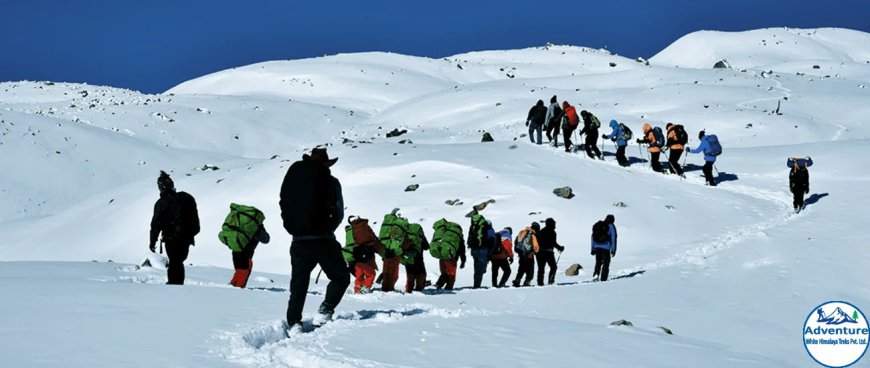
The journey toward island peak begins in one of the most powerful landscapes on Earth. Cold air, sharp white mountains, and deep silence create an instant sense of adventure. This climbing route lies in the Everest region of Nepal, where every step feels meaningful. The experience becomes even smoother and well-managed with support from Adventure White Himalaya, known for safe guiding, permit handling, and full expedition support from start to finish.
A Path Through the Everest Region
Island Peak, also called Imja Tse, is one of the most popular trekking peaks in Nepal. The route begins with a flight to Lukla, followed by a trek through famous mountain villages like Namche Bazaar, Tengboche, and Dingboche. Each place offers a new view of the Himalayas.
Tall peaks such as Everest, Lhotse, and Ama Dablam dominate the skyline. Prayer flags move in the wind, and stone paths connect small settlements. The journey gradually takes trekkers higher into a quiet, cold, and powerful mountain world.
Climbing Statistics
The Island Peak climbing expedition usually takes 14 to 18 days. The total trekking distance is approximately 130 to 160 kilometers, depending on the chosen route. The highest point of the adventure is the summit of Island Peak at 6,189 meters. Proper acclimatization days are included in the itinerary to help the body adjust safely to high altitude conditions.
Trail Experience and Mountain Life
The trail toward Island Peak changes step by step. Lower sections include forests, rivers, and green hills. As altitude increases, the landscape becomes rocky and dry. Trees slowly disappear, replaced by open valleys and icy ridges.
Teahouses along the route offer simple meals and rest stops. Warm food, tea, and basic rooms provide comfort in remote conditions. The mountain environment remains peaceful, with wide views of surrounding peaks throughout the journey.
Island Peak Base Camp Preparation
Island Peak Base Camp is set in a wide valley surrounded by glaciers and rocky terrain. Tents are arranged on flat ground, creating a temporary high-altitude settlement. This location is important for rest and preparation before the summit attempt.
Training sessions are conducted at base camp. These include instruction on using ropes, crampons, harnesses, and ice axes. Safety techniques and climbing methods are explained clearly to prepare for the final ascent.
The Summit Climb Experience
Summit day begins in darkness, often before midnight. A narrow icy path leads upward under a sky full of stars. Headlamps guide each careful step across snow and ice.
As altitude increases, the climb becomes steeper and more challenging. Cold winds and thin air make progress slow. Focus and steady movement are essential. After several hours of climbing, the summit of Island Peak (6,189 m) is reached, offering wide views of Everest, Lhotse, and surrounding peaks.
A Memorable Himalayan Journey
Island Peak climbing is more than a physical challenge. It is an experience shaped by nature, effort, and determination. Every stage of the journey, from villages to glaciers, builds toward a powerful final moment at the summit.
With proper organization and guidance from Adventure White Himalaya, the entire expedition becomes safer, smoother, and more enjoyable. Island Peak remains one of the best choices for those seeking a true Himalayan climbing adventure in the Everest region.