Top 10 Tips for optimizing your Energy Logistics for better efficiency
 maddysmith1
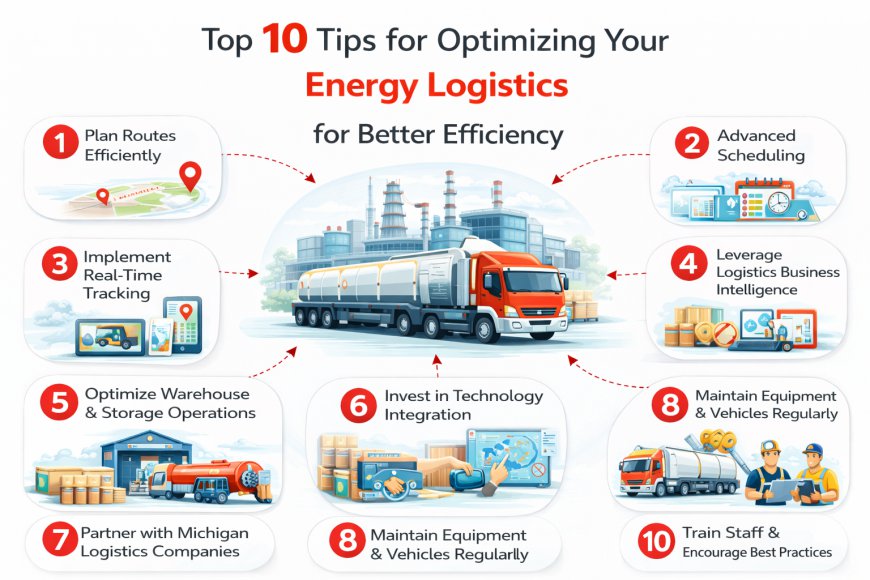
In today’s fast-evolving energy sector, Energy Logistics plays a crucial role in ensuring smooth operations, cost control, and timely delivery of resources. Whether it’s fuel transportation, equipment movement, or supply chain coordination, efficient logistics directly impacts business performance. Companies that optimize their energy logistics can reduce delays, cut operational costs, and improve overall reliability. This guide shares practical, easy-to-follow tips that help businesses improve efficiency immediately without unnecessary complexity.
1. Plan Routes Efficiently
Efficient route planning is one of the most important aspects of energy logistics. Companies need to carefully analyze delivery routes by considering distance, traffic conditions, road quality, and fuel consumption. A well-planned route not only reduces travel time but also minimizes fuel costs and vehicle wear and tear.
In energy logistics, even small delays can create major disruptions, so optimizing routes ensures timely deliveries. Using mapping tools and route optimization software helps identify the fastest and safest paths. Over time, businesses can also analyze past routes to continuously improve efficiency and reduce unnecessary travel.
2. Use Advanced Scheduling
Scheduling is not just about assigning delivery times—it’s about aligning logistics operations with demand and availability. Proper scheduling ensures that resources are delivered exactly when needed, avoiding delays or idle time. This is especially important in the energy sector, where timing directly affects production and operations.
Companies should plan schedules based on demand forecasts, workforce availability, and equipment readiness. A structured schedule also helps reduce congestion at loading and unloading points. By improving scheduling practices, businesses can avoid last-minute changes, reduce operational stress, and maintain a steady workflow.
3. Implement Real-Time Tracking
Real-time tracking provides full visibility into logistics operations, allowing companies to monitor shipments at every stage. With GPS-enabled tracking systems, businesses can instantly know where their vehicles are, whether deliveries are on time, and if there are any unexpected delays.
This visibility allows quick decision-making in case of route changes, breakdowns, or delays. It also improves communication between teams and customers. Over time, tracking data helps identify recurring issues and areas for improvement, making the entire logistics process more reliable and transparent.
4. Leverage Logistics Business Intelligence
Logistics Business Intelligence helps companies turn data into actionable insights for better decision-making. It allows businesses to:
-
Analyze delivery patterns and identify inefficiencies
-
Forecast demand and prepare resources in advance
-
Detect high-cost operations and optimize them
-
Improve response time for urgent or unexpected deliveries
By using business intelligence tools, companies can move from guesswork to data-driven strategies. This not only improves efficiency but also reduces risks and operational costs. Over time, it helps businesses build a smarter and more responsive energy logistics system.
5. Optimize Warehouse and Storage Operations
Efficient storage management is essential for smooth energy logistics. Poorly organized warehouses can lead to delays, misplaced items, and increased handling time. Companies should focus on proper layout planning, clear labeling, and easy access to frequently used materials.
Inventory management also plays a key role. Monitoring stock levels, avoiding overstocking, and ensuring timely replenishment prevent disruptions in supply. A well-managed warehouse reduces unnecessary movement, speeds up loading and unloading, and improves overall operational efficiency.
6. Invest in Technology Integration
Technology integration connects different parts of the logistics process into one smooth system. When transportation, inventory, and warehouse systems work together, it becomes easier to manage operations and share information. This reduces manual errors and improves coordination between teams.
Integrated systems also allow real-time updates, making it easier to track performance and make quick decisions. Automation further enhances efficiency by reducing repetitive tasks. Companies that invest in integrated technology solutions gain better control over their logistics and improve long-term efficiency.
7. Partner With Michigan Logistics Companies
Working with Michigan Logistics Companies can significantly improve logistics efficiency, especially for regional operations. These companies bring local expertise, established networks, and specialized infrastructure that can streamline operations.
-
Faster delivery times due to regional knowledge
-
Access to advanced storage and handling facilities
-
Cost-effective transportation solutions
-
Better compliance with local regulations and safety standards
Partnering with experienced logistics providers allows businesses to focus on core operations while ensuring that logistics processes are handled professionally and efficiently.
8. Maintain Equipment and Vehicles Regularly
Regular maintenance of logistics equipment and vehicles is essential for avoiding unexpected breakdowns. In energy logistics, delays caused by equipment failure can disrupt entire operations and lead to significant losses.
Scheduled inspections, timely repairs, and proper maintenance routines ensure that all assets are functioning efficiently. Well-maintained equipment also improves safety and reduces long-term costs. Companies that prioritize maintenance can ensure smooth operations and avoid unnecessary disruptions.
9. Use Advanced Transportation Management Systems
An Advanced Transportation Management System (TMS) helps companies manage logistics operations more efficiently by automating and optimizing transportation processes. It provides:
-
Route optimization to reduce travel time and fuel costs
-
Integration with inventory systems for better planning
-
Real-time shipment tracking and updates
-
Detailed reports for performance and cost analysis
TMS solutions help reduce manual work, improve accuracy, and enhance decision-making. By using such systems, companies can achieve better control over their logistics operations and improve overall efficiency.
10. Train Staff and Encourage Best Practices
Skilled and well-trained staff are essential for efficient energy logistics. Employees who understand processes, safety protocols, and operational goals can perform tasks more effectively. Regular training ensures that staff stay updated with the latest tools, technologies, and best practices.
Encouraging a culture of responsibility and continuous improvement also plays a key role. When employees follow standardized procedures and focus on efficiency, it reduces errors and improves productivity. Investing in staff training leads to long-term improvements in logistics performance.
Conclusion
Optimizing Energy Logistics is about improving every part of the process—from planning and scheduling to technology and workforce management. By applying these practical tips, businesses can reduce costs, improve efficiency, and ensure reliable operations. A well-optimized logistics system not only enhances performance but also creates a strong foundation for long-term growth.