What Causes a Refrigerator to Leak Water Inside
 pozharkoappliance
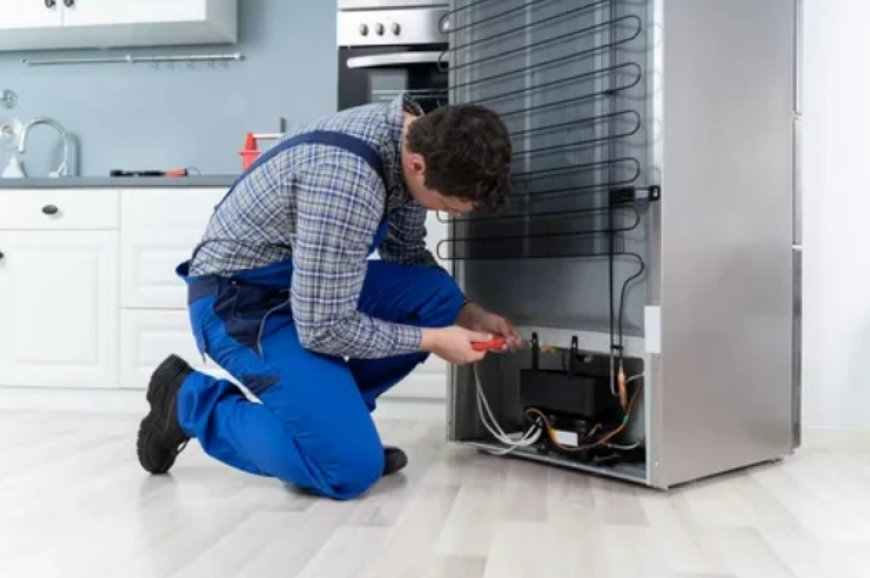
Finding a puddle of water at the bottom of your fridge or leaking out onto the kitchen floor is never a pleasant surprise. Beyond the mess, it often signals that something is functioning incorrectly within your appliance’s cooling or drainage system. Understanding the root causes can save you from costly floor repairs and food spoilage.
When it involves complex electrical components or sealed systems, seeking professional refrigerator repair in Pompano Beach, FL, is the safest way to ensure your appliance returns to peak performance. At Pozharko Appliance Repair, we see these issues daily and have compiled this guide to help you troubleshoot the most common culprits.
What You Should Know: The Common Culprits
Before you panic, it is important to realize that most refrigerator leaks are caused by simple maintenance issues rather than a total mechanical failure. Here are the primary reasons your fridge might be acting like a fountain.
1. The Clogged Defrost Drain
The most frequent cause of water leaking inside a refrigerator is a clogged defrost drain. Most modern frost-free refrigerators have a cycle that melts frost off the evaporator coils. This water is supposed to flow down a drain tube into a pan underneath the fridge, where it evaporates.
If debris, food particles, or ice crystals plug this drain, the water has nowhere to go but back up and into the fresh food compartment. You will typically notice water pooling under the crisper drawers or dripping from the freezer ceiling.
2. Frozen Evaporator Fan or Drain Line
Sometimes, the issue isn't dirt, but ice. If your refrigerator’s temperature is set too low, or if the door is left ajar frequently, the drain line can freeze solid. When the next defrost cycle hits, the meltwater hits an "ice dam" and overflows. This is a common issue in humid climates where moisture enters the unit easily. If you are struggling with recurring ice buildup, a specialist in refrigerator repair in Pompano Beach, FL can install a drain heater or check your thermostat settings to prevent future freezes.
3. Damaged or Dirty Door Gaskets
Your refrigerator relies on an airtight seal to keep cold air in and warm, moist air out. If the rubber seals (gaskets) are cracked, warped, or covered in sticky residue, they won’t seal properly.
When warm air enters a cold environment, it creates excess condensation. This moisture accumulates on the walls and shelves, eventually forming a puddle at the base.
- Pro Tip: Clean your gaskets with warm, soapy water once a month to prevent buildup that causes tearing.
4. Malfunctioning Water Inlet Valve
If your refrigerator has an ice maker or a water dispenser, it uses a water inlet valve to supply the unit. This valve is located at the back of the appliance. Over time, these valves can crack or develop loose fittings.
If the leak is happening at the back of the fridge or if you see water trickling down the interior back wall, the inlet valve might be stuck in the "open" position or have a hairline fracture. This requires immediate attention to avoid significant water damage to your kitchen flooring.
Troubleshooting Interior Leaks
If you notice moisture, follow these steps to narrow down the source:
- Check the Crisper Drawers: If water is under them, it's almost certainly a defrost drain issue.
- Inspect the Ceiling: Water dripping from the top usually points to a freezer drain problem or an ice maker line leak.
- Examine the Water Filter: An incorrectly installed or cracked refrigerator water filter can cause slow drips that eventually pool inside the housing.
Component Symptom Possible Fix
Drain Tube Water under the vegetable bins. Flush with warm water/turkey baster.
Door Seal Moisture on shelves/walls. Clean or replace the gasket
Water Filter Drip near filter housing. Reseat or replace the filter cartridge
Inlet Valve: Constant leaking/pooling. Replace the solenoid valve.
When to Call a Professional
While flushing a drain line is a manageable DIY task for many homeowners, other issues involve the sealed system, refrigerant levels, or electronic control boards. Attempting to fix these without the proper tools can void your warranty or lead to further damage.
If you’ve cleared the drain and checked the seals but the water keeps coming back, it’s time for expert intervention. Common appliance maintenance services can catch these issues during a routine check-up before they turn into a kitchen flood. Residents often look for local appliance technicians who understand the specific challenges of high-humidity environments, which can accelerate wear on cooling components.
Preventing Future Leaks
Prevention is always more affordable than repair. To keep your refrigerator dry and efficient, consider these SEO-friendly maintenance tips:
- Don't Overstuff: Ensure food items aren't blocking the air vents, which can cause temperature fluctuations and condensation.
- Level the Fridge: If your refrigerator isn't slightly tilted back, the coolant and meltwater may not flow into their designated channels correctly.
- Replace Filters Regularly: Change your water filter every six months to prevent clogs and pressure buildup.
Conclusion
A leaking refrigerator is a nuisance, but it is usually a fixable one. Whether it’s a simple case of clearing out a stubborn clog or a more technical issue with your ice maker assembly, addressing it early prevents mold growth and protects your appliance’s lifespan.
If you find yourself overwhelmed by a persistent leak, Pozharko Appliance Repair is here to help. Our team provides reliable, fast, and professional service to get your kitchen back in order