What Property Owners Should Know Before Ordering Bulk Stone and Gravel
Learn what property owners should know before ordering bulk stone and gravel, including material types, quantities, delivery, and site preparation tips.
 metaminds
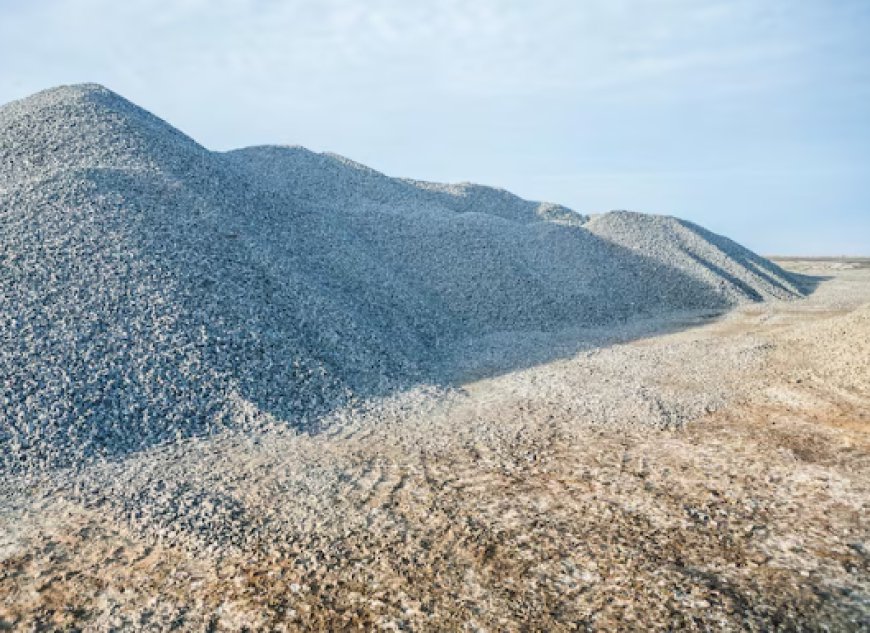
You know that moment when a landscaping project sounds simple in your head... and then suddenly you are standing outside wondering where all this gravel is actually going to fit? Yeah, we have been there too. Ordering bulk material is not difficult, but there are a few things property owners usually wish they knew earlier. Especially when searching for stone and gravel near me in California, small mistakes can turn into expensive headaches pretty fast.
The good news? A little planning makes the whole process smoother, cheaper, and honestly way less stressful.
Not All Stone and Gravel Are the Same
A lot of people think gravel is just... gravel. Then the delivery arrives and the material looks completely different from what they imagined.
Some stone products are better for driveways. Others work best for drainage, walkways, decorative landscaping, or heavy construction. Crushed stone, pea gravel, decomposed granite, river rock... each one behaves differently once it is on the ground.
For example, pea gravel looks great around patios, but it shifts underfoot more than crushed rock. Crushed stone packs tighter and handles vehicle traffic better. River rock gives a clean decorative look but is not always ideal for walking surfaces.
That is why asking questions before ordering matters. A quick conversation with the supplier can save a lot of frustration later.
Measure Carefully Before Ordering
This part trips people up all the time.
Many homeowners estimate by eyesight and end up either short on material or stuck with a giant leftover pile sitting in the driveway for weeks. Neither feels great.
Before placing an order, measure the length, width, and desired depth of the area. Even rough measurements help suppliers recommend the right amount.
And honestly... it is usually smarter to order slightly extra than come up short halfway through the project. Stopping work because you are missing half a yard of gravel? Ugh, not fun.
Think About Delivery Access First
This one gets overlooked constantly.
Bulk deliveries often arrive in large dump trucks, and those trucks need space to move safely. Narrow gates, low tree branches, soft ground, parked cars, or steep driveways can create problems fast.
We have seen people prepare the landscaping perfectly but completely forget about truck access.
Before delivery day, check:
- Is the driveway wide enough?
- Are there overhead wires or branches?
- Will the truck damage soft pavement?
- Is there enough room to dump the material safely?
Sometimes suppliers can split loads or use smaller trucks, but it is better to discuss that beforehand instead of scrambling during delivery.
Cheap Material Is Not Always a Bargain
Everybody likes saving money. Totally understandable. But the cheapest option is not always the best one.
Low-quality stone can contain too much dust, inconsistent sizing, or poor drainage characteristics. That can create muddy spots, unstable surfaces, or extra maintenance later.
We have seen people redo entire walkways because the original gravel shifted constantly or washed away after rain.
A slightly better material often lasts longer and performs better over time. It is one of those cases where spending a little more upfront can actually save money later.
Timing Matters More Than People Think
Ordering bulk stone during bad weather can create a mess... literally.
Rain can soften unloading areas, create muddy conditions, and make spreading material harder. Summer deliveries can also get delayed during busy construction seasons in California.
Planning ahead helps avoid those last-minute surprises.
If possible, prepare the site before the delivery arrives. Clear obstacles, mark dumping locations, and make sure workers or equipment are ready. It makes everything move faster.
Ask About Drainage and Maintenance
A beautiful gravel area can quickly become annoying if drainage was ignored.
Water pooling, erosion, and shifting material are common problems when the wrong base or stone type gets used. This is especially important for driveways, slopes, and outdoor gathering areas.
When searching for stone and gravel near me in California, it helps to ask suppliers which materials hold up best for your specific project and climate.
A few extra questions now can prevent constant maintenance later.
Final Thoughts
Ordering bulk stone and gravel should feel exciting, not stressful. Whether you are refreshing a driveway, building a patio space, or improving landscaping around your property, preparation makes all the difference.
The biggest thing we have learned? Do not rush the process. Take a little time to choose the right material, measure carefully, and plan the delivery properly. Those small steps usually separate smooth projects from frustrating ones.
And honestly, once the right gravel is finally in place... the whole property starts to feel pulled together in a really satisfying way.
FAQs
1. How do we know how much gravel to order?
Measure the project area using length, width, and depth. Most suppliers can help calculate the correct amount based on those numbers.
2. What type of gravel works best for driveways?
Crushed stone is usually a better option because it compacts tightly and handles vehicle traffic well.
3. Can bulk stone deliveries damage driveways?
Heavy trucks can sometimes crack weak pavement or sink into soft ground. It is smart to discuss access conditions with the supplier before delivery day.
4. Is decorative gravel different from construction gravel?
Yes. Decorative gravel focuses more on appearance, while construction gravel is selected for strength, drainage, or compaction.
5. When is the best time to order bulk stone and gravel?
Dry weather is usually ideal because it makes delivery, spreading, and installation much easier.