What to Expect from Accommodation in Shifting Hajj Packages?
Learn what accommodation looks like in Shifting Hajj Packages: Makkah hotels, modern Mina tents, Arafat/Muzdalifah setup, and tips for comfort during Hajj.
 henryjarid47444
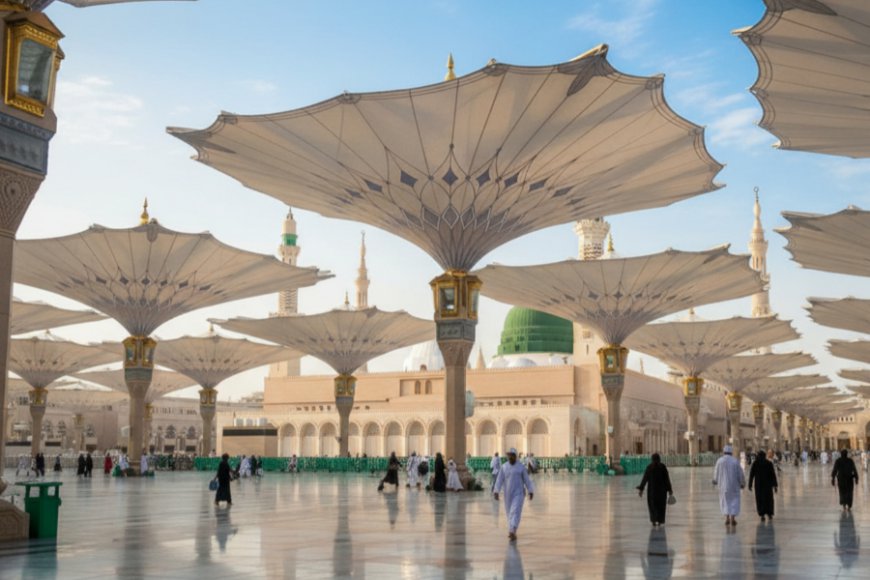
Shifting Hajj Packages remain one of the most practical and widely chosen options for pilgrims aiming to perform Hajj while managing costs effectively. These Shifting Hajj Packages involve staying in a fixed hotel in Makkah before and after the main Hajj days, while temporarily moving to designated tent accommodations in Mina during the core period of 8th to 12th/13th Dhul-Hijjah. Many pilgrims opt for Shifting Hajj Packages because they provide a sensible compromise: comfortable hotel stays in Makkah and Madinah combined with affordable, government-regulated lodging in Mina and Arafat. This structure helps keep overall expenses lower than fully non-shifting packages, allowing more people to fulfill this pillar of Islam.
What sets Shifting Hajj Packages apart in terms of accommodation is the clear division between the pre- and post-Hajj phase (hotel-based) and the Hajj days themselves (tent-based). Pilgrims can expect reliable, modern hotels near the Haram for most of their journey, paired with upgraded, air-conditioned tents in Mina during the busiest period. Understanding the realities of both types of accommodation helps set realistic expectations and prepares pilgrims to focus fully on worship rather than surprises.
Makkah Hotel Accommodation Before Hajj Begins
In Shifting Hajj Packages, pilgrims typically spend the first few days (and often the last few) in a 3- to 5-star hotel in the central Makkah area. These hotels are chosen for their proximity to Masjid al-Haram—often within a 5- to 20-minute walk or short shuttle ride. Rooms are usually twin or quad sharing, air-conditioned, with daily housekeeping, hot showers, comfortable beds, Wi-Fi, and basic tea/coffee facilities. Many properties offer Haram-view rooms (at extra cost) or prayer areas on-site.
The hotels provide a stable base for performing voluntary Tawafs, attending lectures, and resting comfortably before the intense Hajj days begin. Pilgrims appreciate the familiarity and convenience of returning to the same room after long hours in the Haram.
What Happens During the Shift to Mina
On the 8th of Dhul-Hijjah (Yawm al-Tarwiyah), pilgrims in Shifting Hajj Packages move to Mina. This shift is carefully organized, with luggage transported separately or stored securely in Makkah. The move itself is a logistical highlight of shifting arrangements—pilgrims travel by dedicated coaches and arrive at pre-allocated tent sites.
The temporary relocation is designed to keep costs down while still ensuring pilgrims remain close to the ritual sites. Once settled in Mina, the focus shifts entirely to the Hajj rites ahead.
Mina Tent Accommodation – Modern Standards
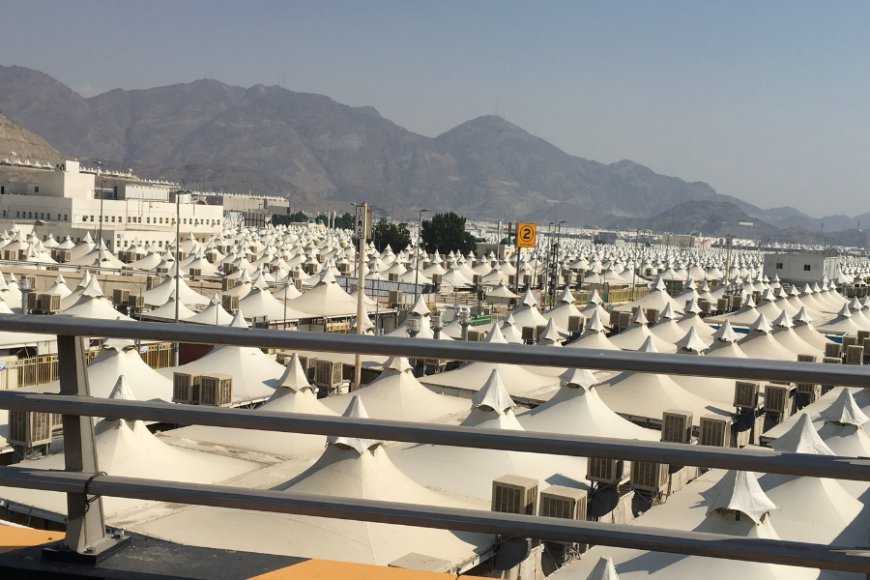
The Mina accommodation in Shifting Hajj Packages has improved significantly in recent years. Most packages now provide air-conditioned, prefabricated tents with partitioned sections for privacy, individual or shared bathrooms, comfortable mattresses, pillows, blankets, and ceiling fans or air-cooling systems. Tents are usually allocated for groups of 10–50 people, with separate areas for men and women where possible.
Many higher-tier shifting packages offer upgraded “VIP” or “premium” Mina tents with fewer occupants per tent, private bathrooms, and even small lounge areas. These improvements ensure pilgrims can rest properly between stoning, prayers, and standing on Arafat.
Support and Coordination from a Professional Umrah Travel Agency

A reliable umrah travel agency plays a vital role in making the shifting experience smooth. They coordinate luggage handling, tent allocations, meal distribution in Mina, and shuttle timings between sites. Good agencies also provide clear instructions, on-site representatives, and emergency support—ensuring pilgrims feel secure during the transition and throughout the Mina stay.
Arafat and Muzdalifah – Basic but Functional
On the 9th of Dhul-Hijjah, pilgrims move to Arafat, where accommodation consists of large, air-conditioned tents with basic seating and prayer facilities. Meals are usually provided, and the focus is on wuquf (standing in supplication). After sunset, the group shifts to Muzdalifah for an open-air overnight stay under the stars—pilgrims collect pebbles for stoning and rest on mats or sleeping bags provided.
These arrangements are intentionally simple, reflecting the spirit of equality and reliance on Allah during the most critical day of Hajj.
Umrah Packages as a Complementary Journey
For those who wish to extend their spiritual experience before or after Hajj, Umrah Packages offer an excellent option. With milder weather, fewer crowds, and lower costs, Umrah Packages allow relaxed performance of multiple Umrahs, peaceful Rawdah visits, and reflective ziyarat—providing a calm contrast to the intensity of Hajj.
Returning to Makkah Hotel After Hajj
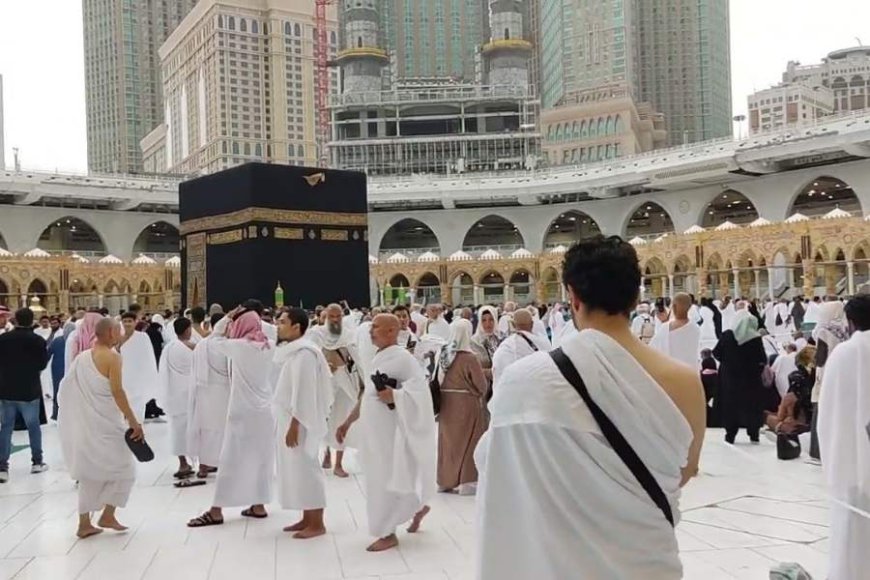
After completing the stoning on the 12th or 13th, pilgrims return to their original Makkah hotel in Shifting Hajj Packages. This return to familiar surroundings offers welcome comfort—hot showers, proper beds, and quiet rest after days of intense rituals. Many use these final days for Tawaf al-Ifadah, farewell Tawaf, shopping, and reflection before departure.
Real Pilgrim Experiences with Shifting Accommodation
Pilgrims frequently share that the Mina tents in modern Shifting Hajj Packages were far more comfortable than expected—cool, clean, and well-maintained. Families note that the savings allowed them to bring elderly parents, while others appreciated returning to the same Makkah room for emotional stability after Arafat. These practical benefits help keep the focus on worship.
Balancing Expectations with Spiritual Rewards
The journey of Hajj or Umrah is one of the most profound acts of worship a Muslim can undertake, yet it often comes with a delicate tension: the need to balance realistic expectations about the physical and logistical realities with the deep spiritual rewards that the pilgrimage promises. Pilgrims frequently arrive with high hopes shaped by stories of overwhelming peace, effortless Tawaf, and constant closeness to Allah, only to encounter crowds, fatigue, heat, long waits, and occasional discomfort. Learning to balance these expectations with the true spiritual rewards is what transforms a challenging trip into a mabrur (accepted) pilgrimage that leaves a lasting impact on the heart and soul.
Spiritual Rewards Beyond Perfect Conditions
The key lies in understanding that spiritual rewards are not dependent on perfect conditions. The Prophet ﷺ taught that actions are judged by intentions, and the value of Hajj or Umrah lies in sincerity, patience, gratitude, and turning to Allah in every moment—whether the experience feels ideal or difficult. When pilgrims align their expectations with this reality, they open the door to genuine spiritual growth rather than disappointment.
Setting Realistic Expectations for the Physical Journey
Hajj and Umrah involve long hours of standing, walking several kilometers daily, exposure to sun and crowds, and disrupted sleep patterns. In Makkah, the Haram can become extremely packed during peak times, making Tawaf and Sa'i physically demanding. In Mina and Arafat, tent accommodations (especially in shifting packages) can feel basic despite modern upgrades, with shared facilities and limited privacy. Travel between sites often includes long coach rides and waiting periods.
The Power of Patience and Preparation
Recognizing these realities in advance helps pilgrims prepare mentally and physically. Training with regular walking, staying hydrated, and practicing patience before departure all contribute to enduring the journey with grace rather than frustration.
Conclusion: Comfort Within Reach in Shifting Packages
Shifting Hajj Packages deliver reliable, functional accommodation that balances comfort, affordability, and spiritual focus. From modern Makkah hotels to upgraded Mina tents, the setup ensures pilgrims can complete Hajj with dignity and ease. For those seeking a meaningful journey without excessive expense, Shifting Hajj Packages remain a wise and rewarding choice.