What Are The Benefits Of Massage For Mental Health?
Massage therapy reduces stress, improves mood, and supports mental health naturally. Learn how regular sessions enhance emotional and physical well-being.
 smitjohn11
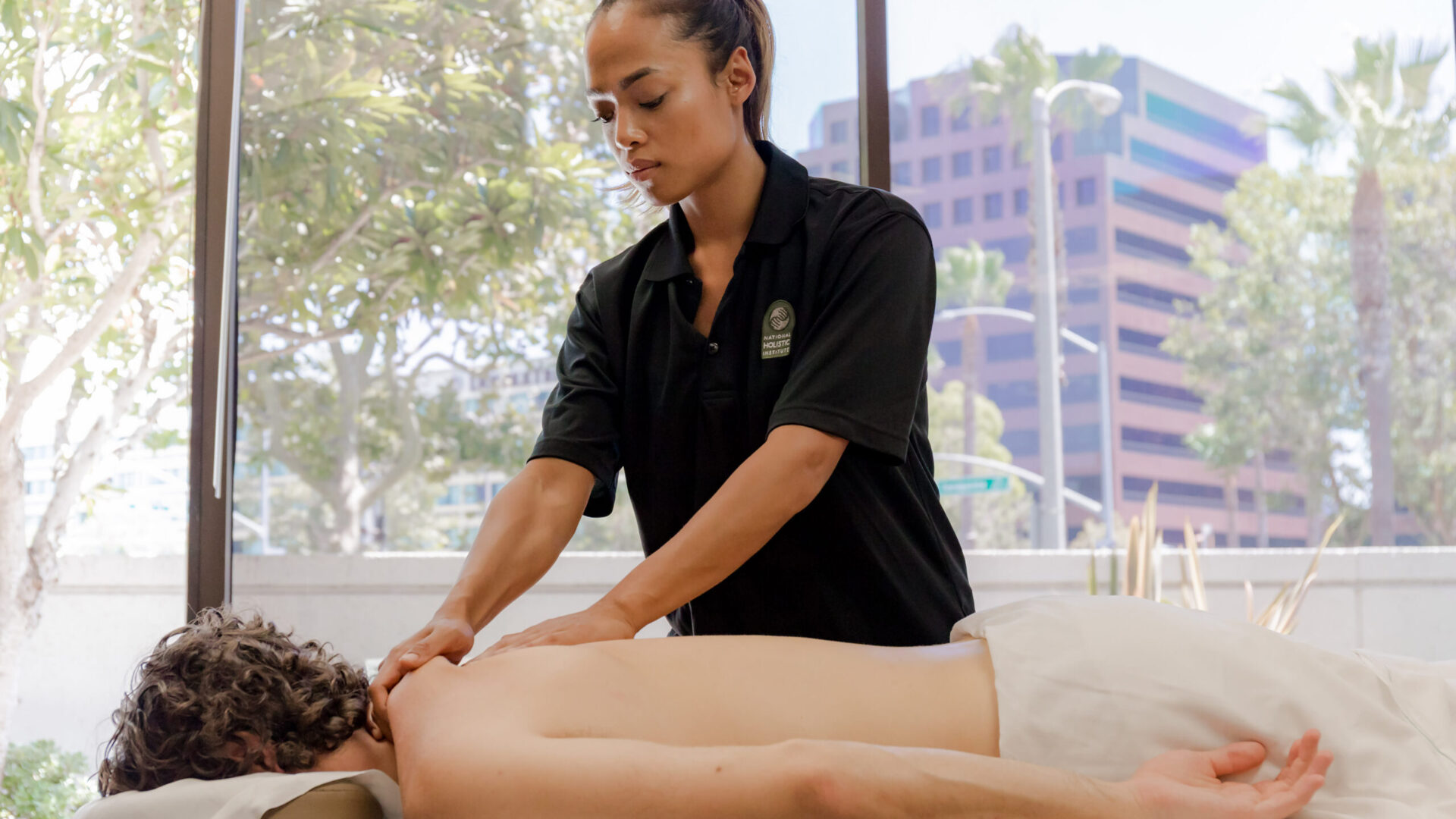
Mental health challenges such as stress, anxiety, and depression affect countless people worldwide. Massage therapy offers an effective approach to support emotional well-being naturally. Research from the Online Massage Therapy Program indicates that regular massage sessions enhance mood, reduce stress, and foster relaxation. By stimulating the release of neurotransmitters like serotonin and dopamine, massage positively influences both mind and body. Many individuals notice improvements in sleep quality, energy levels, and emotional resilience. Incorporating massage into a self-care routine can create a balanced environment that nurtures mental health consistently and sustainably.
How Massage Therapy Reduces Stress
Massage therapy has a direct impact on the body’s stress response by reducing cortisol levels and promoting relaxation. The physical manipulation of muscles relieves tension, allowing individuals to experience calmness during and after the session. Regular treatments help the nervous system adapt to these relaxation signals, minimizing the effects of chronic stress. Stress relief achieved through massage supports better emotional balance, reduces irritability, and encourages a healthier mental state. By lowering physiological stress, massage can prevent long-term health issues and foster a sense of tranquility that benefits everyday life significantly.
Benefits for Anxiety Management
Anxiety can disrupt concentration, sleep, and overall quality of life. Massage therapy provides a natural way to ease these symptoms by encouraging relaxation and releasing endorphins. Gentle pressure applied to the body helps regulate heart rate and breathing, producing a grounding effect that calms the mind. Regular sessions can complement therapy or medical interventions for anxiety disorders. Individuals often report reduced nervous tension and heightened emotional stability. Over time, consistent massage therapy creates a supportive environment that alleviates anxiety symptoms while promoting a sense of inner peace and improved overall mental health.
How Massage Improves Mood
Massage therapy contributes to mood regulation by stimulating the nervous system and increasing blood circulation. This process triggers the release of serotonin and dopamine, which are essential for emotional stability and happiness. Many people report feeling lighter, more energized, and more positive after sessions. Regular massage can also reduce the risk of mood fluctuations and support emotional resilience. By addressing both physical and mental tension, massage provides a natural way to promote a positive outlook. Over time, individuals can achieve sustained improvements in mood and experience more consistent emotional well-being.
Physical Benefits That Support Mental Health
Physical well-being directly affects mental health, and massage provides numerous benefits that enhance emotional balance. Improved blood circulation, reduced muscle tension, and relief from chronic pain all contribute to overall relaxation. Better sleep quality following massage creates the conditions necessary for emotional restoration and mental clarity. Individuals who experience muscular discomfort often find that stress and irritability decrease when physical pain is addressed. Supporting physical health through massage therapy indirectly strengthens mental health. The combination of relaxation, muscle care, and improved energy levels creates a foundation for sustained emotional and psychological well-being.
Key Ways Massage Supports Mental Health
Massage therapy enhances mental health through multiple pathways. It lowers stress hormones, improves sleep quality, boosts neurotransmitters, and supports emotional awareness. Regular sessions help individuals manage anxiety and mild depression by promoting calmness and relaxation. Massage also encourages mindfulness, allowing people to connect with their feelings and increase self-awareness. By addressing both physical and psychological aspects of stress, massage serves as a holistic tool for emotional support. Consistent therapy contributes to better stress management, enhanced resilience, and long-term improvements in overall mental health, making it an essential component of well-being routines.
Social and Psychological Impacts
The social and psychological benefits of massage therapy extend beyond physical relaxation. Human touch during a session promotes a sense of comfort, connection, and reassurance. Individuals who receive regular massages often report decreased feelings of loneliness and increased emotional support. Incorporating massage into personal routines encourages self-care and mental health prioritization. People may also experience improved interactions with others due to reduced stress and heightened emotional awareness. Massage can enhance overall social well-being, fostering stronger connections and a sense of belonging while supporting emotional growth and psychological resilience in daily life.
Massage as a Complementary Therapy
Massage therapy works well as a complementary treatment alongside conventional mental health interventions. Counseling, medication, or mindfulness practices can be enhanced when massage addresses the physical symptoms of stress and tension. This combination supports deeper relaxation and helps individuals better respond to other therapies. Patients managing anxiety, depression, or post-traumatic stress often experience improved emotional outcomes when massage is integrated into their care plan. Regular sessions provide both immediate relief and long-term emotional benefits, offering a holistic approach that combines physical, psychological, and social advantages for sustained mental wellness.
Tips for Maximizing Mental Health Benefits
Consistency is crucial to maximizing the mental health benefits of massage therapy. Scheduling regular sessions allows for ongoing improvements in stress management, mood regulation, and emotional balance. Open communication with massage therapists regarding tension points, stress levels, and personal preferences ensures treatments are effective and comfortable. Choosing the appropriate massage style, such as Swedish, deep tissue, or aromatherapy, can enhance the experience and results. Combining massage with other self-care practices strengthens mental health further. Attention to both technique and routine ensures that massage therapy remains an effective and sustainable approach to emotional and physical well-being.
Conclusion
Massage therapy provides a holistic, natural approach to supporting mental health, benefiting both body and mind. Its advantages include reduced stress, improved mood, increased emotional awareness, and relief from anxiety symptoms. Physiological effects, such as decreased cortisol and increased neurotransmitters, combined with psychological benefits of human touch, create long-lasting improvements in well-being. Incorporating regular massage sessions into daily routines fosters relaxation, emotional resilience, and overall mental balance. For individuals seeking non-invasive methods to support mental health, consistent massage therapy can transform emotional and physical wellness, making it a powerful tool for long-term care.
FAQs
1. How often should I get a massage to support mental health?
Consistent sessions, ideally once or twice a week, help maintain reduced stress, improved mood, and emotional balance over time.
2. Can massage therapy reduce symptoms of anxiety and depression?
Yes. Massage promotes relaxation, triggers endorphin release, and regulates hormones, supporting emotional stability alongside other interventions.
3. What massage style is best for mental health?
Swedish, aromatherapy, and gentle deep tissue massage are recommended for relieving stress, enhancing mood, and supporting emotional well-being.
4. Does massage therapy improve sleep quality?
Massage reduces muscle tension and cortisol levels, promoting deeper, more restorative sleep essential for mental and emotional health.
5. Can massage therapy complement other treatments?
Absolutely. Massage works alongside counseling, medication, and mindfulness practices to provide an integrated approach to mental wellness.