Which Power Transformers Accessories Fail Most Often?
 apfelbaum
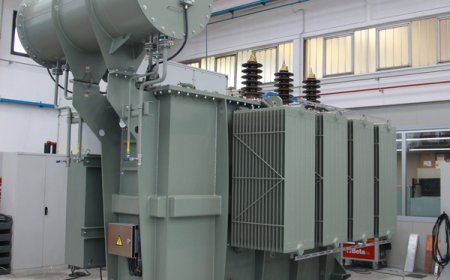
While the internal core and copper windings of a transformer are built to last for decades, the smaller components mounted to the exterior tank are far more vulnerable to environmental wear and physical strain.
In fact, a majority of field failures originate not within the main tank itself but inside the secondary systems designed to regulate oil pressure, temperature, and electrical insulation. When one of these external parts degrades, it can quickly trigger an automatic trip, oil contamination, or a catastrophic short circuit that forces an entire facility to go offline.
The first step to maximum substation reliability is to determine the weakest links in critical power transformers accessories; to avoid these expensive outages, one must wrap their head around which peripheral equipment is most likely to fail mechanically or electrically.
Key Takeaways
● Bushing Vulnerabilities: How insulation degradation and moisture ingress lead to explosive structural faults.
● Tap Changer Wear: The physical toll of constant mechanical switching on internal contact surfaces.
● Gasket and Seal Leaks: Why rubber degradation causes fluid loss and environmental contamination.
● Protection Device Faults: Mitigating false trips caused by corroded or failed monitoring instruments.
Which Critical Power Transformers Accessories Fail The Most?
● High-Voltage Bushings
Bushings are the primary insulated paths that safely carry high-voltage current across the grounded metal tank of the transformer. Because of the continuous exposure to extreme electrical fields, outdoor weather, and thermal cycling, the internal paper-and-oil insulation deteriorates over time.
Microscopic cracks in the porcelain or composite outer sheds allow the rain and humidity to penetrate inside, forming a conductive path leading to catastrophic phase-to-ground faults.
This common failure is the key reason behind the bushings being one of the riskiest components among all power transformers accessories.
● Load Tap Changers
The load tap changer (LTC) is the only major moving part on a transformer, responsible for constantly adjusting voltage ratios by physically switching between different winding taps. This constant switching begets constant friction, sparking, and thermal stress on the internal metallic contacts.
Over time, the insulating oil inside the LTC chamber gets heavily carbonized, and the contacts erode, resulting in poor electrical connectivity or mechanical binding, jamming the whole switching mechanism.
Managing this mechanical wear is a constant challenge in the assessment of prospective power transformers accessories that are vulnerable.
● NBR Gaskets & Elastic Seals
Transformers utilize dozens of nitrile rubber (NBR) or cork-composite gaskets to seal the structural joints between the main tank, radiators, bushings, and pipework.
Continuous exposure to hot insulating oil, paired with the scorching heat of the sun, causes these rubber compounds to lose their elasticity and become brittle over time.
Once a seal cracks, insulating fluid begins to slowly weep out, while ambient moisture and air pull into the tank during cool-down cycles. Catching these fluid leaks early prevents deep internal oil oxidation.
● Buchholz Relays and Pressure Relief Devices
Protective safety devices, like the Buchholz relay, are designed to detect internal gas accumulation and rapid pressure surges to isolate the transformer during a major fault.
However, the delicate floats, microswitches, and wiring terminals inside these instruments are highly vulnerable to water corrosion, loose connections, and heavy structural vibration.
When a sensor suffers an internal electrical short, it can send a false trip signal to the main circuit breakers, instantly knocking a perfectly healthy transformer offline. Ensuring these diagnostic safety triggers remain properly calibrated is vital when dealing with external power transformers accessories.
Conclusion
Managing the natural deterioration of external substation equipment is a proactive way to maximize grid uptime. Ignoring the aging of high-voltage bushings, mechanical tap changers, or rubber gaskets invites oil contamination, expensive emergency downtime, and asset damage.
By carrying out timely inspections on the most vulnerable spots, technicians can easily replace brittle seals and worn contacts before a critical insulation fault occurs.
Pairing these targeted visual and physical inspections with modern HV and medium-voltage testing equipment ensures your peripheral hardware remains perfectly stable, well-insulated, and finely tuned to sustain ongoing electrical loads for the next several decades.