
Why Blue Cheese Is Becoming a Favorite in Modern Food Culture
Discover why blue cheese is gaining popularity through gourmet dining, product innovation, food service expansion, and evolving consumer preferences.
 Marketinsights
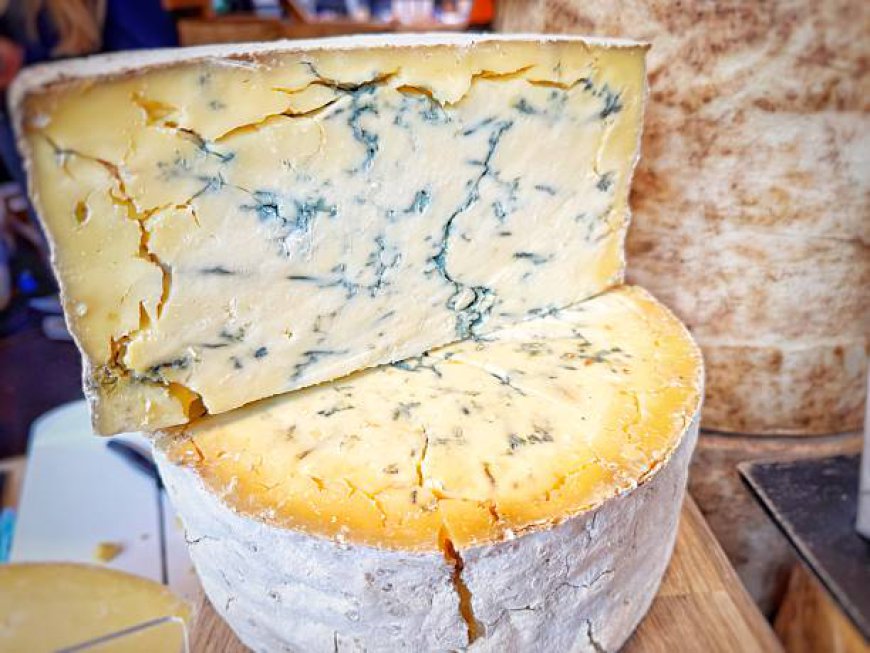
Blue cheese has long been recognized for its bold aroma, creamy texture, and distinctive blue veins created during the aging process. Once considered a niche product reserved for gourmet dining, it has steadily gained popularity among a broader audience. Today, chefs, home cooks, and food enthusiasts are incorporating blue cheese into a wide variety of recipes, reflecting changing consumer tastes and a growing appreciation for specialty dairy products.
According to a MarkNtel Advisors report, the global blue cheese industry is benefiting from the expanding food service sector, rising demand for artisanal dairy products, and increasing consumer interest in premium culinary experiences. This blue cheese market analysis also highlights growing innovation in product offerings, including plant based alternatives and new flavor combinations that appeal to a wider range of consumers.
Understanding Blue Cheese
Blue cheese is produced by introducing cultures of Penicillium mold into the cheese during production. As the cheese matures, the mold develops characteristic blue or green veins while creating the sharp, tangy flavor that distinguishes blue cheese from other varieties.
Popular types include Gorgonzola from Italy, Roquefort from France, and Stilton from England. Each variety offers unique flavor profiles and textures, making blue cheese suitable for different culinary applications ranging from salads and burgers to sauces, pasta, pizzas, and cheese platters.
Growing Popularity of Gourmet and Specialty Foods
Consumers today are increasingly exploring premium food experiences rather than simply purchasing everyday staples. Specialty cheeses have become an important part of this trend as people experiment with international cuisines and sophisticated flavors.
Blue cheese fits well into this evolving food culture because it offers a distinctive taste that enhances both traditional and contemporary dishes. Restaurants, gourmet food retailers, and specialty grocery stores continue expanding their cheese selections to meet this growing interest. Industry observers also note that food tourism and culinary exploration have contributed to greater awareness of regional cheese varieties.
Expanding Applications Across the Food Service Industry
One of the major reasons behind increasing demand is the widespread use of blue cheese in the hospitality and food service sectors. Restaurants use it in burgers, gourmet sandwiches, steaks, pasta, pizzas, salads, dips, and salad dressings to create distinctive flavor combinations.
Premium dining establishments often feature blue cheese as an ingredient that enhances menu diversity and appeals to consumers seeking unique culinary experiences. Casual dining chains and cafés have also introduced recipes featuring blue cheese to satisfy changing customer preferences.
The report provides insights into industry growth trends, indicating that food service establishments continue to play an important role in supporting product adoption across global markets.
Health Conscious Consumers Are Exploring Fermented Foods
Although blue cheese should be consumed in moderation due to its sodium and fat content, it also contains valuable nutrients such as calcium, protein, phosphorus, and vitamins. As a fermented dairy product, it attracts consumers interested in foods associated with traditional fermentation methods.
Growing awareness of balanced nutrition has encouraged many consumers to include specialty cheeses as part of varied diets rather than viewing them solely as indulgent foods. Food safety authorities continue to emphasize proper production standards and storage practices to ensure product quality. The U.S. Food and Drug Administration also provides guidance on cheese safety and dairy handling practices, while the Codex Alimentarius establishes internationally recognized food standards.
Innovation Is Creating New Consumer Opportunities
Manufacturers continue introducing innovative blue cheese products designed to reach new customer segments. Reduced fat options, convenient packaging formats, flavored variations, and plant based alternatives are expanding product availability beyond traditional cheese lovers.
Innovation has become particularly important as younger consumers seek unique food experiences while also considering sustainability and dietary preferences. New product development allows producers to balance authentic cheese making traditions with evolving market expectations.
As discussed in this blue cheese industry report, innovation remains one of the important factors shaping future product development across global markets.
Sustainability Is Becoming More Important
Consumers increasingly consider sustainability when purchasing food products. Dairy producers are responding by improving responsible sourcing, reducing waste, enhancing animal welfare practices, and investing in environmentally efficient production methods.
Climate conditions also remain an important consideration for dairy production. Recent reports highlight how extreme weather can affect milk quality, production costs, and dairy farming operations, reinforcing the importance of resilient agricultural practices throughout the cheese supply chain.
Regional Preferences Continue to Shape Demand
Europe continues to represent the historical home of many famous blue cheese varieties, but demand is expanding across North America, Asia Pacific, and other international markets. Consumers are becoming more familiar with global cuisines through travel, digital content, and international restaurants.
Retail expansion has also made premium cheeses more accessible through supermarkets, specialty food stores, and online grocery platforms. This wider availability helps introduce blue cheese to first time buyers while supporting repeat purchases among existing consumers.
Future Outlook
Blue cheese is evolving from a specialty ingredient into a widely appreciated component of modern cuisine. Consumer curiosity, culinary innovation, premium food trends, and expanding restaurant offerings continue supporting its growing popularity around the world.
Rather than relying solely on tradition, producers are embracing innovation while maintaining the craftsmanship that has defined blue cheese for generations. As highlighted in this report, continued product diversification, expanding food service applications, and changing consumer preferences are expected to keep blue cheese relevant within the global specialty dairy landscape.






