Why Elderly Care at Home Works for Long Term Illness
Long term illness changes daily life in ways that go far beyond medical needs. Routines shift. Energy levels drop. Even simple tasks can start to feel heavy. For many families, the question comes up sooner or later.
 Karemastershomehealth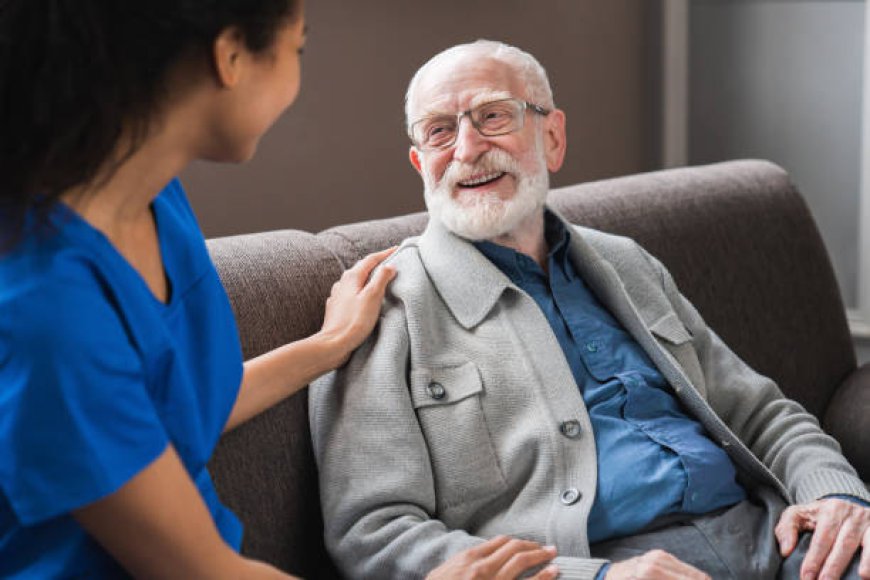
Long term illness changes daily life in ways that go far beyond medical needs. Routines shift. Energy levels drop. Even simple tasks can start to feel heavy. For many families, the question comes up sooner or later. Where can a loved one receive steady care without losing comfort or dignity? The answer often leads to elderly care at home in Wayne County, where support meets familiarity in a way that feels natural and reassuring.
Care Feels Different at Home
Hospitals serve a purpose, no doubt. They stabilize, treat, and monitor. Yet they rarely feel personal. Rooms change. Faces rotate. Noise never quite settles.
Home tells a different story. A favorite chair sits in the same corner. Family photos stay within sight. Meals taste familiar. That sense of normal life matters more than most people expect.
For someone living with a long term illness, emotional stability plays a quiet but powerful role. Healing is not always about cure. It often rests on comfort, consistency, and a sense of control.
A simple question helps frame it well. Would recovery feel easier in a place filled with memories or in a space that feels temporary?
Consistency Builds Better Health Outcomes
Long term illness requires ongoing attention. Medications must stay on schedule. Symptoms need close tracking. Small changes can signal bigger concerns.
Home based care allows professionals to build routines that stick. The same caregiver notices patterns. The same nurse observes subtle shifts. That continuity reduces guesswork.
Patients benefit from care that evolves with their condition rather than restarting with every visit. It becomes a steady process rather than a series of disconnected events.
Families notice the difference too. They gain clarity. They feel informed. There is less confusion and fewer rushed decisions.
Personalized Support That Fits Real Life
No two patients follow the same path. One may need help managing diabetes. Another may need support after a stroke. Someone else may require assistance with mobility and daily tasks.
Home care adapts to each situation. Care plans are not pulled from a template. They grow from real needs, daily habits, and medical guidance.
A caregiver may help with bathing and dressing in the morning. A nurse may assist with wound care later in the day. A therapist may guide gentle exercises that improve strength over time.
It all fits into the patient’s routine rather than forcing the patient to adjust to a rigid schedule.
Reducing Hospital Visits and Complications
Frequent hospital visits can wear down both patients and families. Each visit brings stress, exposure to illness, and long waiting times.
Home care lowers that risk. Regular monitoring helps catch issues early. Medication management reduces errors. Fall prevention strategies create a safer environment.
Think about a patient managing heart failure. A slight change in weight or breathing may signal trouble. At home, a trained professional can notice it early and respond quickly.
That kind of attention often prevents emergencies before they happen.
Daily Living Support That Preserves Dignity
Long term illness often affects independence. Tasks that once felt simple can become difficult.
Home care steps in with quiet support. Assistance with grooming, dressing, or meal preparation allows patients to maintain a sense of normal life.
There is a balance here. Caregivers provide help without taking away control. Patients remain part of their own routine.
A small moment says a lot. Choosing what to wear. Deciding what to eat. These choices keep a person connected to their identity.
Emotional Well Being Matters More Than Expected
Chronic illness does not only affect the body. It weighs on the mind as well.
Loneliness can creep in. Anxiety may grow. A sense of isolation can take hold, especially after repeated hospital stays.
Home care addresses that quietly. Companionship becomes part of the process. Conversations happen. Laughter returns in small doses. Even a short walk or shared meal can lift a person’s mood.
Families also feel relief. They know someone is present. They know their loved one is not alone.
Support for Families Who Carry the Load
Caregiving often falls on family members. It can be rewarding, yet it also brings fatigue and emotional strain.
Many caregivers do not speak about their own needs. They keep going until exhaustion sets in.
Professional home care offers breathing room. It allows families to rest, regroup, and return with renewed energy.
An elderly care agency in Wayne County plays a key role here. It creates a partnership. Families stay involved, yet they are no longer carrying everything alone.
That shift makes a lasting difference in both care quality an
d family well-being.
Safety and Structure Without Disruption
Home environments can be adjusted to support safety. Simple changes reduce fall risks. Clear pathways improve mobility. Proper lighting helps prevent accidents.
Caregivers also guide patients through exercises and routines that build strength and balance over time.
All of it happens without removing the patient from their surroundings. Life continues with added support rather than interruption.
Financial Practicality and Long Term Planning
Cost often becomes part of the conversation. Long hospital stays and facility care can add up quickly.
Home care often presents a more manageable option. Many services are covered for qualified patients, easing the financial burden.
Families can plan care with flexibility. They can adjust frequency and level of support based on changing needs.
That flexibility matters during long term illness, where needs may shift gradually rather than all at once.
The Bottom Line
Long term illness asks for more than medical treatment. It asks for patience, consistency, and a setting that supports both physical and emotional well-being.
Home based care meets those needs in a way that feels steady and personal. It keeps patients close to what matters most while delivering professional support that adapts over time.
Kare Masters Home Health continues to bring that balance into homes across the region. Through thoughtful care, skilled services, and a focus on real life needs, elderly care at home in Wayne County becomes more than a service. It becomes a path toward comfort, stability, and a better quality of life.