A Guide to Mastering Slope
Slope is a thrilling 3D running game where you guide a ball down a steep, endless slope. With fast speed, sharp turns, and sudden obstacles, it tests your reflexes to the limit.
 ChristineDodson
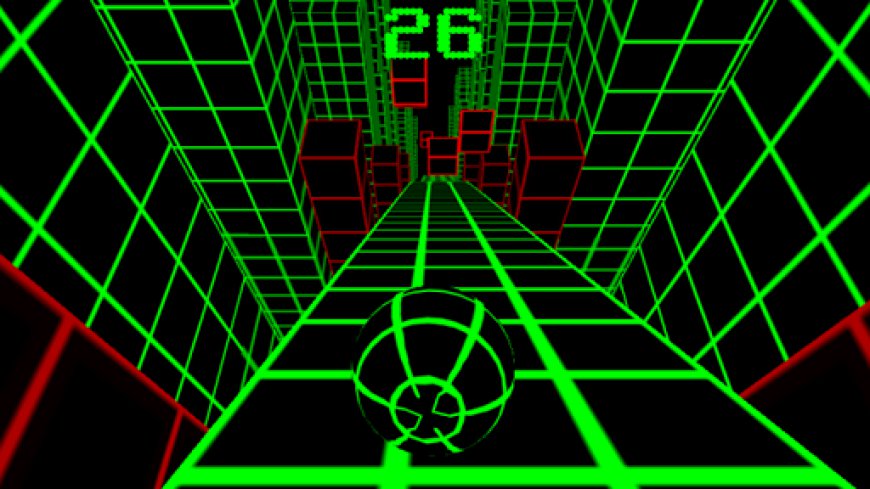
Ever felt the urge for a simple yet maddeningly addictive challenge? Look no further than Slope, a game that throws you into a fast-paced, endless world where survival depends on quick reflexes and precise movements. It's a deceptively simple premise, but trust me, mastering it requires dedication and a healthy dose of patience. This isn't a walkthrough per se, but rather a friendly guide to help you navigate the slopes and, hopefully, improve your score.
What's Slope All About?
At its core, Slope is about survival. You control a ball rolling down a constantly changing, 3D slope. The objective is straightforward: avoid falling off the edges and keep rolling for as long as possible. Sounds easy, right? Think again. The speed increases relentlessly, the obstacles become more frequent, and the gaps become wider, demanding increasingly precise movements. There are no power-ups, no lives, just you and the ever-descending path.
Gameplay: A Dance on the Edge of Gravity
The controls are wonderfully intuitive. You use the left and right arrow keys (or A and D keys) to steer the ball. That's it. No jumping, no braking, just simple directional control. However, the game's brilliance lies in how those simple controls interact with the increasing speed and unpredictable terrain.
Initially, the slope offers a gentle introduction, giving you a chance to familiarize yourself with the physics. The ball has a weight and momentum, so you can't simply snap it left and right instantaneously. You need to anticipate turns and adjust your course accordingly. The further you progress, the steeper the slopes become, the more obstacles appear, and the more your reaction time is tested.
The challenge also comes from the random generation of the terrain. Each run is unique, meaning you can't simply memorize a sequence of moves. You have to react to what's in front of you, making every second a test of your focus and reflexes. It's this unpredictable nature that keeps the game engaging and replayable.
Tips for Staying on Track (and Sanity):
Okay, so you're ready to tackle the slopes. Here are a few tips I've picked up along the way that might help you stay in the game a little longer:
- Practice Makes Perfect: This is the most obvious, but it's also the most important. The more you play, the better you'll become at anticipating turns, judging distances, and reacting to obstacles. Don't get discouraged by early falls; keep practicing!
- Look Ahead: Try to focus your gaze slightly ahead of the ball. This will give you more time to react to upcoming obstacles and plan your moves. Train your eyes to scan the landscape quickly and identify potential hazards.
- Smooth Movements: Avoid jerky, sudden movements. Smooth, controlled turns are much more effective than abrupt changes in direction. Think of it like driving a car – a gentle curve is better than slamming on the brakes.
- Embrace the Edges: Don't be afraid to use the edges of the track to your advantage. Sometimes, hugging the edge is the only way to navigate a particularly tricky section. However, be mindful of the angle and avoid falling off!
- Learn to Accept Failure: Let's be honest, you're going to fall. A lot. Don't let it get you down. Each fall is an opportunity to learn from your mistakes and improve your skills. The goal isn't to avoid falling entirely (that's impossible!), but to learn from each run and strive for a higher score.
- Listen to the Music (Sometimes): The music in Slope is surprisingly effective at creating a sense of tension and urgency. However, if you find it distracting, don't hesitate to turn it off. Experiment and see what works best for you.
- Find Your Rhythm: Some players find that focusing on the rhythm of the game, perhaps matching their movements to the beat of the music, helps them stay in the zone. It's worth experimenting to see if this approach works for you. Remember, it’s all about finding what works best for you to improve your performance on the treacherous slopes. And who knows, maybe you will become a Slope Master one day! You can also improve your reflexes on Slope by trying other games.
Slope isn't a game you "beat." It's an endless cycle of challenge, frustration, and (hopefully) improvement. It's a perfect example of a simple concept executed brilliantly, offering a quick dose of adrenaline-pumping fun whenever you have a few minutes to spare. So, buckle up, brace yourself, and prepare to descend into the addictive world of Slope. Good luck, and try not to fall too often!