Best Portable Fans for Home Cooling
This article explores the best types of portable fans for home cooling, the features to look for, and how to choose the ideal option for your space.
 Rose Bella
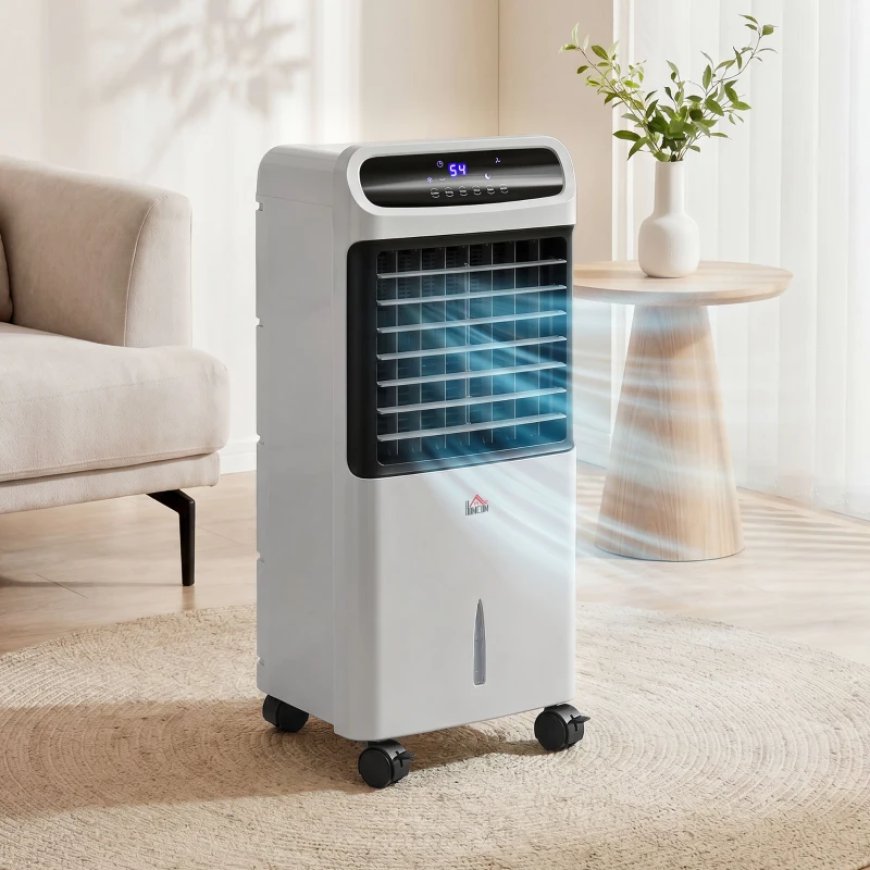
When temperatures rise, keeping your home cool becomes a priority. While air conditioners are highly effective, they are not always the most affordable or energy-efficient option. Portable fans offer a practical alternative by improving air circulation, creating a cooling breeze, and reducing the reliance on air conditioning. They are lightweight, easy to move, and available in various styles to suit different rooms and cooling needs.
Whether you need a fan for your bedroom, living room, home office, or kitchen, choosing the right portable fan can make a noticeable difference in comfort. Modern portable fans come with advanced features such as multiple speed settings, oscillation, quiet operation, remote controls, timers, and energy-efficient motors. This article explores the best types of portable fans for home cooling, the features to look for, and how to choose the ideal option for your space.
Why Choose a Portable Fan?
Portable fans provide several advantages that make them an excellent cooling solution for homes. They consume significantly less electricity than air conditioners, helping lower energy bills while providing consistent airflow. Their compact design makes them easy to carry from one room to another, allowing you to cool specific areas instead of the entire house.
Another benefit is their versatility. Portable fans can be used independently or alongside an air conditioner to distribute cool air more evenly, improving overall cooling efficiency.
Types of Portable Fans for Home Cooling
1. Tower Fans
Tower fans are among the most popular choices for home cooling because of their sleek, space-saving design. They provide wide-angle oscillation, making them ideal for medium to large rooms. Many tower fans include remote controls, programmable timers, and multiple airflow modes for added convenience.
Tower fans are especially suitable for bedrooms and living rooms where quiet operation and modern aesthetics are important.
2. Pedestal Fans
Pedestal fans are known for their powerful airflow and adjustable height. They can easily cool larger spaces by directing air across a wide area. Most models allow users to tilt the fan head and adjust oscillation for better coverage.
These fans work well in family rooms, dining areas, and garages where stronger airflow is needed.
3. Table Fans
Table fans are compact, lightweight, and ideal for personal cooling. They fit comfortably on desks, bedside tables, or countertops and provide targeted airflow for smaller spaces.
They are an excellent option for students, remote workers, or anyone looking for a portable cooling solution without occupying much floor space.
4. Box Fans
Box fans are designed to move a large volume of air efficiently. They are commonly placed near windows to improve ventilation by drawing fresh air indoors or pushing hot air outside.
These fans are particularly useful during evenings when outdoor temperatures are cooler than indoor temperatures.
5. Bladeless Fans
Bladeless fans combine modern technology with stylish design. Instead of traditional blades, they use air multiplier technology to create a smooth, continuous stream of airflow.
Besides being visually appealing, bladeless fans are easier to clean and safer for households with children and pets.
Features to Consider Before Buying
Airflow Performance
Airflow determines how effectively a fan cools a room. Larger rooms typically require fans with stronger airflow, while smaller rooms can be comfortably cooled using compact models.
Noise Level
If you plan to use the fan in a bedroom or home office, look for models designed for quiet operation. Many modern fans include sleep modes that reduce both noise and airflow during nighttime use.
Oscillation
Oscillation helps distribute air evenly throughout the room rather than concentrating airflow in one direction. This feature improves overall comfort, especially in larger spaces.
Speed Settings
Multiple speed settings allow you to adjust airflow according to changing temperatures and personal comfort. Many premium models also include natural breeze and sleep modes for a more comfortable experience.
Energy Efficiency
Portable fans consume far less electricity than air conditioners. Choosing an energy-efficient model can further reduce electricity costs without compromising performance.
Remote Control and Smart Features
Many modern fans include remote controls, digital displays, timers, and even smartphone compatibility. These features improve convenience by allowing users to adjust settings without leaving their seat.
Choosing the Right Portable Fan for Each Room
Different rooms often require different cooling solutions.
For bedrooms, tower fans and bladeless fans are excellent choices because they operate quietly while providing consistent airflow throughout the night.
Living rooms benefit from pedestal fans or tower fans with oscillation, which can cool larger spaces more effectively.
Home offices are best served by compact table fans that provide focused airflow without producing excessive noise.
Garages, workshops, and utility rooms usually require powerful pedestal or box fans capable of moving larger volumes of air.
Tips for Getting Better Cooling Performance
To maximize the effectiveness of your portable fan, position it where airflow is unobstructed. Keeping doors and windows strategically open during cooler parts of the day can improve natural ventilation.
If you're using an air conditioner, placing a fan nearby helps circulate cooled air more evenly throughout the room, reducing the workload on the AC system.
Cleaning the fan blades and air vents regularly also improves airflow and extends the life of the fan.
Maintenance Tips
Proper maintenance ensures your portable fan continues performing efficiently.
- Clean dust from blades, grills, and vents regularly.
- Tighten loose screws or components if necessary.
- Store the fan in a dry location when not in use.
- Check the power cord periodically for signs of wear.
- Follow the manufacturer's cleaning instructions for safe maintenance.
Routine cleaning not only improves airflow but also helps maintain indoor air quality.
Conclusion
Portable fans remain one of the most practical and affordable solutions for home cooling. They consume less energy than air conditioners, improve air circulation, and can easily be moved wherever cooling is needed most. From compact table fans for personal comfort to powerful pedestal fans for larger rooms and stylish bladeless models for modern homes, there is a portable fan available for every budget and requirement.
By considering factors such as airflow, noise level, oscillation, energy efficiency, and room size, you can choose a portable fan that delivers reliable cooling throughout the warmer months. With proper placement and regular maintenance, a quality portable fan can provide years of efficient, comfortable performance.
Frequently Asked Questions (FAQs)
1. Can a portable fan help reduce electricity bills?
Yes. Portable fans use considerably less electricity than air conditioners. Using a fan alongside an AC can also improve air circulation, allowing you to raise the thermostat slightly and reduce energy consumption.
2. How long can a portable fan run continuously?
Most high-quality portable fans are designed to operate continuously for extended periods. However, it's recommended to follow the manufacturer's guidelines and ensure the fan has adequate ventilation to prevent overheating.