Custom Flexible Packaging Solutions for Modern Brands That Want to Stand Out
How custom flexible packaging boosts branding, reduces costs, and improves product protection with modern strategies and expert tips.
 marysimon9865
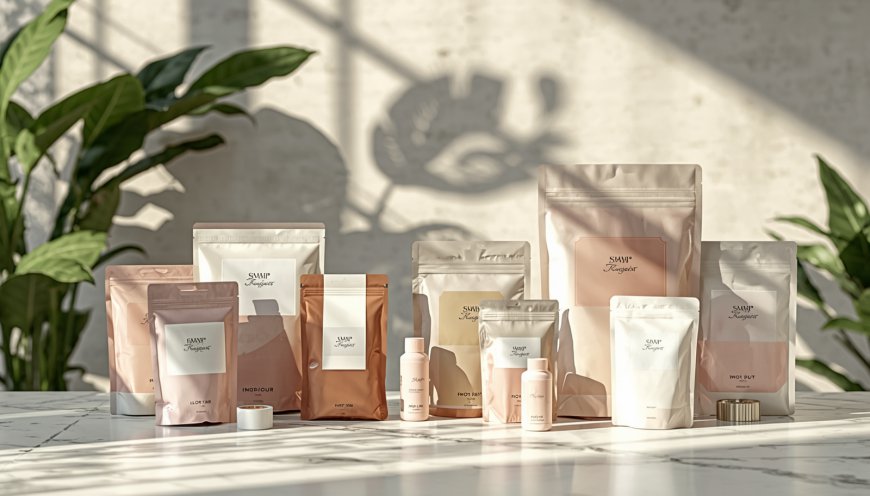
In today’s competitive market, packaging is no longer just about wrapping a product—it is about creating an experience. Businesses that understand this are rapidly shifting toward custom flexible packaging because it offers a powerful combination of design freedom, cost efficiency, and product protection. Whether you are running a food brand, an e-commerce store, or a cosmetic business, custom flexible packaging allows you to present your product in a way that captures attention and builds trust instantly.
Customers today expect packaging that is not only attractive but also convenient and environmentally responsible. This is where custom flexible packaging plays a key role. It adapts to different product shapes, reduces waste, and improves shelf appeal, making it one of the most practical solutions available.
In this detailed guide, you will learn everything about custom flexible packaging, including its benefits, types, design strategies, real-world applications, and how to use it effectively to grow your business.
What is Custom Flexible Packaging and Why It Matters
Custom flexible packaging refers to packaging made from flexible materials such as plastic films, foil, or paper laminates that can easily bend and adjust to the product’s shape. Unlike rigid packaging, this type of packaging is lightweight, adaptable, and highly customizable.
The reason custom flexible packaging matters so much today is because it solves multiple business challenges at once. It reduces material usage, lowers shipping costs, improves storage efficiency, and enhances product presentation.
Another major advantage is that businesses can fully customize the design. From color schemes to branding elements, custom flexible packaging becomes a direct reflection of your brand identity, helping you stand out in crowded markets.
Key Benefits of Custom Flexible Packaging for Businesses
Cost Efficiency and Reduced Logistics Expenses
One of the strongest advantages of custom flexible packaging is its ability to reduce overall costs. Since it uses less material than rigid packaging, production expenses are lower.
custom flexible packaging, flexible packaging solutions, packaging design, stand up pouches, eco friendly packaging, resealable packaging, packaging trends,
Better Product Protection and Shelf Life
Many people underestimate how protective custom flexible packaging can be. Advanced materials provide strong barriers against moisture, oxygen, and light.
This is especially important for food, supplements, and medical products. With the right structure, custom flexible packaging can extend shelf life and maintain product freshness for longer periods.
Strong Branding and Visual Impact
Packaging is often the first thing customers notice. With custom flexible packaging, businesses can create visually appealing designs that immediately grab attention.
High-quality printing, bold colors, and modern layouts allow brands to communicate their identity clearly. This improves recognition and increases the chances of repeat purchases.
Sustainability and Eco-Friendly Benefits
Sustainability is becoming a major factor in purchasing decisions. Many brands are switching to custom flexible packaging because it uses fewer resources and generates less waste.
Eco-friendly materials such as recyclable films and biodegradable layers make flexible packaging a smarter choice for businesses that want to reduce their environmental impact.
Types of Custom Flexible Packaging Used in Different Industries
Stand-Up Pouches for Retail and Food Products
Stand-up pouches are one of the most popular forms of custom flexible packaging. They are widely used for snacks, coffee, and pet food because they are easy to store and display.
These pouches often come with resealable zippers, making them convenient for customers while maintaining product freshness.
Flat Pouches and Sachets for Small Products
Flat pouches and sachets are ideal for single-use items such as sauces, powders, and samples. This type of custom flexible packaging is lightweight and cost-effective, making it perfect for promotional products.
Vacuum Packaging for Maximum Freshness
Vacuum-sealed custom flexible packaging removes air from the package, helping preserve freshness and prevent contamination. This is commonly used in the food and healthcare industries.
Rollstock Packaging for Automation
Rollstock is used in automated packaging machines and is highly efficient for large-scale production. Businesses that require high-volume packaging often rely on this form of custom flexible packaging.
How to Design High-Converting Custom Flexible Packaging
Understand Your Target Audience
The first step in designing effective custom flexible packaging is understanding your audience. What attracts them? What kind of design do they prefer?
Packaging should match customer expectations to create a strong emotional connection.
Focus on Clear and Attractive Design
Your packaging should be visually clean and easy to understand. Avoid cluttered designs and focus on key information such as product name, benefits, and branding.
A well-designed custom flexible packaging layout improves readability and increases customer trust.
Choose the Right Material and Structure
Material selection plays a critical role in packaging performance. Products that are sensitive to moisture or air require high-barrier materials.
In many real-world cases, businesses rely on industry experts, and right in the middle of many successful packaging strategies, companies like Attapack have helped brands choose the perfect combination of materials and structure for custom flexible packaging without increasing costs unnecessarily.
Optimize for Convenience
Packaging should be easy to open, store, and reuse. Features like zip locks, tear notches, and spouts enhance usability.
Convenience is a major factor in customer satisfaction, and well-designed custom flexible packaging can significantly improve user experience.
Common Mistakes That Hurt SEO and Packaging Performance
Many businesses fail to get results from custom flexible packaging due to poor planning.
One major mistake is ignoring keyword-focused branding. If your packaging doesn’t clearly communicate your product and brand, it loses marketing value.
Another issue is using low-quality materials that damage product integrity. Poor packaging leads to negative customer experiences and bad reviews.
Some brands also overlook sustainability, which can reduce trust among environmentally conscious customers.
Avoiding these mistakes ensures that your custom flexible packaging works both as protection and as a marketing tool.
Real-World Use Cases of Custom Flexible Packaging
Food Brands Increasing Shelf Appeal
Food companies use custom flexible packaging to create eye-catching designs that stand out on shelves. Resealable pouches help maintain freshness and improve convenience.
E-Commerce Brands Reducing Shipping Costs
Online businesses benefit from lightweight custom flexible packaging because it reduces shipping expenses and minimizes damage during transit.
Cosmetic Brands Enhancing Brand Image
Beauty brands use flexible packaging to create premium designs that attract customers. Unique shapes and textures help products stand out in competitive markets.
Future Trends in Custom Flexible Packaging
The future of custom flexible packaging is focused on innovation and sustainability.
New materials are being developed to reduce environmental impact while maintaining durability. Smart packaging features like QR codes and digital tracking are also becoming more common.
Customization will continue to evolve, allowing brands to create highly personalized packaging experiences. Businesses that adopt these trends early will gain a strong competitive advantage.
Conclusion
Custom flexible packaging is one of the most powerful tools available for modern businesses. It offers cost savings, strong product protection, and excellent branding opportunities.
By using the right design, materials, and strategy, businesses can turn packaging into a major growth driver. The key is to focus on quality, customer experience, and innovation.
As consumer expectations continue to rise, investing in custom flexible packaging is not just an option—it is a necessity for long-term success.