Uses of ENT Instruments in Modern Medical Care
ENT Instruments are important medical tools used to diagnose, examine, and treat conditions related to the ear, nose, and throat. These instruments allow doctors to perform both simple examinations and complex surgeries with accuracy and confidence
 amgmedical
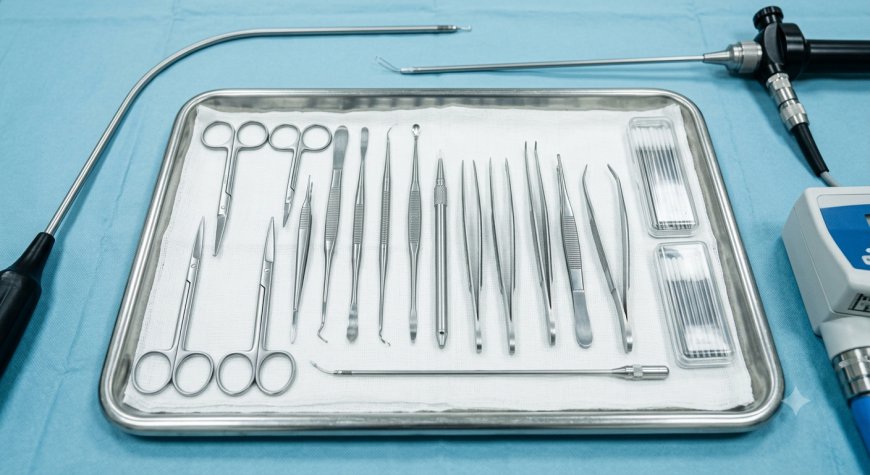
ENT Instruments are important medical tools used to diagnose, examine, and treat conditions related to the ear, nose, and throat. These instruments allow doctors to perform both simple examinations and complex surgeries with accuracy and confidence. Every tool has a specific purpose that helps improve patient care and supports successful medical procedures. From removing earwax to performing advanced sinus surgery, these instruments are used in many areas of healthcare. In some procedures, Dental Instruments and Plastic Surgery Tools are also used alongside ENT equipment to provide complete treatment. Understanding the uses of these instruments helps explain why they are an essential part of modern medicine.
What Are ENT Instruments?
ENT Instruments are specially designed tools used by ear, nose, and throat specialists. They help doctors inspect delicate body structures and perform treatments with precision. These instruments are made from strong medical-grade materials that can be cleaned and sterilized many times without losing quality.
Different procedures require different tools. Some are used for diagnosis, while others are designed for surgery. Their careful design allows doctors to work safely in small areas where precision is very important.
Use in Routine Patient Examinations
One of the most common uses of ENT Instruments is routine patient examination. Doctors use tools such as otoscopes, nasal speculums, and tongue depressors to inspect the ears, nose, and throat.
These examinations help identify infections, swelling, blockages, injuries, and other health problems. Early diagnosis allows treatment to begin before conditions become more serious. Accurate examination also helps doctors decide whether surgery or other treatments are necessary.
Routine checkups are an important part of maintaining good ear, nose, and throat health.
Use in Ear Treatments
ENT specialists use these instruments for many ear procedures. They remove earwax, extract foreign objects, and examine the eardrum to identify infections or injuries.
During surgery, these tools help repair damaged eardrums, improve hearing, and remove abnormal tissue. Fine surgical instruments provide better control while protecting delicate structures inside the ear.
The careful use of these tools helps improve hearing, reduce pain, and support faster patient recovery.
Use in Nose Procedures
The nose contains narrow passages that require special equipment for safe treatment. ENT Instruments are used to examine nasal passages, remove blockages, and treat sinus problems.
Doctors use surgical tools to remove nasal polyps, repair damaged tissue, and correct breathing difficulties. These instruments also support procedures that improve airflow and relieve long-term sinus conditions.
Precise equipment allows surgeons to complete treatments with minimal damage to surrounding tissue.
Use in Throat Treatments
The throat contains important structures involved in breathing, speaking, and swallowing. ENT specialists use examination tools to inspect the tonsils, vocal cords, and upper airway.
During surgery, these instruments help remove infected tonsils, repair damaged tissue, and treat conditions affecting the voice. Fine surgical tools allow doctors to work safely in sensitive areas while protecting healthy tissue.
These procedures improve patient comfort and restore normal throat function.
Use in Minimally Invasive Surgery
Modern healthcare focuses on treatments that reduce pain and shorten recovery time. ENT Instruments play a major role in minimally invasive surgery because they allow doctors to work through small openings with excellent precision.
These procedures often result in less bleeding, fewer complications, and faster healing. Patients usually experience shorter hospital stays and can return to normal activities more quickly.
The growing use of minimally invasive techniques has increased the demand for advanced ENT equipment.
Use in Emergency Medical Care
ENT specialists also use these instruments during emergency situations. Patients who experience severe nosebleeds, airway blockages, facial injuries, or foreign objects in the ear or throat often require immediate treatment.
Reliable equipment allows doctors to respond quickly and safely. Fast treatment reduces complications and helps protect important functions such as breathing and hearing.
Emergency care depends on accurate instruments that perform well under pressure.
Use Alongside Dental Instruments
Many medical procedures involve both the mouth and throat, making Dental Instruments valuable during treatment. Dentists and ENT specialists often work together when patients have conditions affecting nearby structures.
Dental Instruments improve access to the oral cavity and help support procedures involving the tongue, jaw, and throat. Their combined use allows healthcare professionals to perform accurate examinations and treatments while improving patient comfort.
Working together across medical specialties leads to better diagnosis and more complete patient care.
Use with Plastic Surgery Tools
Some ENT procedures involve repairing or reshaping facial structures. In these situations, Plastic Surgery Tools are used together with ENT equipment.
Patients who require nose reconstruction, facial injury repair, or treatment after cancer surgery often benefit from both types of instruments. Plastic Surgery Tools help improve appearance while ENT specialists restore normal breathing, hearing, or speech.
This combination allows doctors to achieve both medical and cosmetic goals during treatment.
Use in Teaching and Medical Training
Medical schools and teaching hospitals use ENT Instruments to train future healthcare professionals. Students learn how to handle instruments correctly before performing procedures on patients.
Training improves technical skills, builds confidence, and teaches safe surgical techniques. Proper education ensures that future surgeons understand the correct use of every instrument.
Well-trained medical professionals provide higher-quality care and better patient outcomes.
Use in Research and Medical Innovation
Medical researchers also use ENT Instruments while developing new treatment methods and improving existing surgical techniques. Research helps create better instrument designs that increase accuracy and reduce patient recovery time.
Manufacturers continue to improve materials, handle designs, and surgical precision through ongoing innovation. These improvements support safer procedures and better healthcare around the world.
Research plays an important role in keeping medical equipment up to date with modern healthcare needs.
Maintaining Instrument Performance
Proper maintenance is necessary to ensure that ENT Instruments continue performing well. After every procedure, medical staff carefully clean and sterilize the equipment to prevent infection.
Regular inspection helps identify damaged or worn instruments before they affect patient safety. Good maintenance extends equipment life and ensures reliable performance during every medical procedure.
Healthcare facilities follow strict cleaning standards to maintain safe treatment environments.
Conclusion
The uses of ENT Instruments cover every stage of patient care, from routine examinations to advanced surgical procedures. They help doctors diagnose diseases, perform accurate treatments, and improve patient safety across a wide range of medical conditions. Their precision, durability, and reliability make them an essential part of hospitals and clinics worldwide. The combined use of Dental Instruments and Plastic Surgery Tools further expands treatment options for conditions involving the mouth, face, and neck. As healthcare technology continues to improve, these instruments will remain vital for delivering safe, effective, and high-quality medical care.
More info: AMG Medical