Is Mustache Hair Transplant a Permanent Solution?
Although the procedure offers lasting outcomes, several factors influence how successful and natural the final appearance becomes.
 dynamic4
A well-defined mustache has long been associated with confidence and personal style. For individuals struggling with patchy, thin, or uneven facial hair, Mustache Hair Transplant in Dubai has become a popular option to achieve a fuller and more balanced appearance. This advanced cosmetic procedure is designed to restore natural hair growth by transplanting healthy hair follicles into the mustache area, creating results that closely resemble naturally growing facial hair.
Unlike temporary solutions such as makeup, fibers, or topical products, a hair transplant addresses the root of the concern by relocating permanent hair follicles. While many people ask whether the results truly last a lifetime, understanding the healing process, hair growth cycle, and long-term care can help answer that question.
What Is a Mustache Hair Transplant?
A mustache hair transplant is a minimally invasive procedure that transfers healthy hair follicles, usually taken from the back or sides of the scalp, to the upper lip. These follicles are carefully placed to match the natural direction, angle, and density of existing facial hair.
Since the transplanted follicles are genetically resistant to hair loss, they continue growing in their new location. Once they become established, they behave much like natural mustache hair and require regular trimming and grooming.
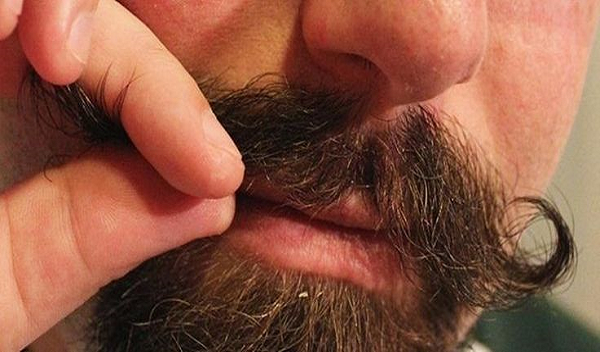
Is the Procedure Truly Permanent?
In most cases, a mustache hair transplant is considered a permanent solution. After the transplanted follicles successfully heal and begin producing new hair, they generally continue growing for many years.
The first few weeks often involve temporary shedding of the transplanted hairs. This is a normal part of the process because the follicles remain beneath the skin while new hair gradually begins to grow. Visible improvements usually become noticeable over the following months as the follicles complete their natural growth cycle.
The permanence of the results depends on factors such as:
- Healthy donor hair quality
- Proper healing after the procedure
- Following post-treatment instructions
- Individual hair growth patterns
- Overall skin and scalp health
Why Transplanted Hair Lasts Longer
The success of this treatment is based on the characteristics of donor hair. Hair follicles selected from the donor area are naturally resistant to thinning and continue maintaining their growth pattern even after being relocated.
Once these follicles establish a blood supply in the upper lip, they function similarly to naturally growing facial hair. They can be shaved, trimmed, or styled according to personal preference without affecting the transplanted roots.
Because the transplanted hair grows naturally, many people eventually forget which hairs were transplanted and which were originally present.
Factors That Affect Long-Term Results
Although the procedure offers lasting outcomes, several factors influence how successful and natural the final appearance becomes.
Healthy healing is one of the most important aspects. During the recovery period, protecting the newly implanted follicles from unnecessary pressure or irritation helps improve survival rates.
Lifestyle habits also contribute to long-term success. A balanced diet, proper skincare, hydration, and following recommended aftercare support healthy hair growth. At Dynamic life clinic, patients are educated about every stage of recovery so they understand how to care for their transplanted follicles during the healing period.
Benefits of a Permanent Mustache Hair Transplant
Choosing a permanent hair restoration solution provides advantages beyond simply filling empty areas. Many individuals experience improvements in both appearance and self-confidence.
Some notable benefits include:
- Natural-looking facial hair growth
- Long-lasting results after successful healing
- Even density across the mustache
- Improved facial symmetry
- Freedom to shave and style normally
- Reduced need for cosmetic concealment
- Personalized hairline design based on facial features
These benefits make the procedure appealing for people who have naturally thin facial hair, patchy growth, or hair loss caused by injury or previous scarring.
What Happens During Hair Growth?
Hair growth after transplantation follows several predictable stages rather than appearing immediately.
Initially, the transplanted hairs may fall out within the first few weeks. This temporary shedding is completely normal because only the visible hair shafts are lost while the follicles remain healthy beneath the skin.
Over the following months, new hairs gradually emerge. They become thicker, stronger, and more consistent with each growth cycle. Full maturity often develops gradually, allowing the mustache to blend naturally with existing facial hair.
Patience during this period is important because every individual's growth timeline is slightly different.
Can the Results Look Natural Forever?
Modern transplantation techniques focus heavily on creating realistic results. The placement of each follicle determines how natural the finished mustache appears.
Experienced planning considers several details, including:
- Hair direction
- Hair angle
- Hair spacing
- Hair density
- Facial proportions
When these factors are carefully addressed, the transplanted mustache becomes difficult to distinguish from naturally grown facial hair. Regular grooming helps maintain a polished appearance while allowing flexibility in different mustache styles.
Caring for Your New Mustache
Although the transplanted follicles are permanent, proper care helps preserve their health and appearance over time.
Helpful maintenance practices include:
- Following all aftercare instructions carefully.
- Avoiding unnecessary rubbing during healing.
- Keeping the treatment area clean.
- Maintaining healthy nutrition.
- Staying hydrated.
- Trimming the mustache regularly after complete healing.
- Protecting the skin from excessive irritation.
Simple daily habits contribute to healthy hair growth and help maintain consistent density throughout the years.
Who Is a Good Candidate?
A mustache hair transplant is suitable for many individuals who want fuller facial hair. Common candidates include men with naturally sparse mustaches, uneven growth patterns, facial scars, or inherited hair deficiencies.
Candidates should have an adequate donor hair supply and realistic expectations regarding the gradual growth process. A personalized assessment helps determine the appropriate design and density for each individual's facial structure while ensuring balanced and natural-looking results.
Conclusion
A mustache hair transplant offers a long-lasting and highly effective solution for individuals seeking fuller, more defined facial hair. Because the transplanted follicles continue growing naturally after successful healing, the results are generally considered permanent. With proper aftercare, healthy lifestyle habits, and realistic expectations, patients can enjoy natural facial hair that blends seamlessly with their appearance for many years. If you are considering a Mustache Hair Transplant, understanding the treatment process and long-term benefits can help you make an informed decision and achieve lasting confidence.