Paracetamol Prices: Latest Trends, Market Analysis & Forecast 2026
 cheminfo
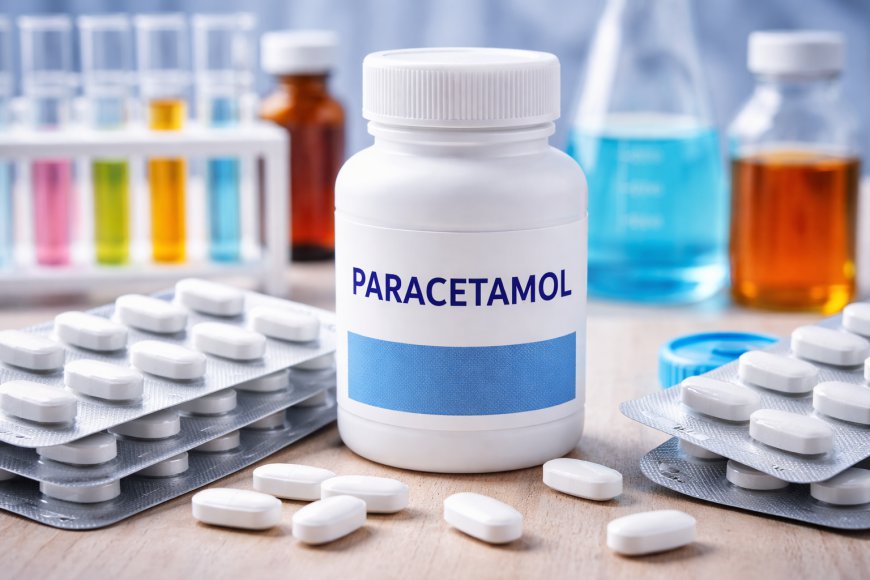
Paracetamol remains one of the most widely used pharmaceutical compounds worldwide, valued for its effectiveness as an analgesic and antipyretic medication. Its accessibility, affordability, and inclusion in essential medicines lists across multiple countries make it a staple in both developed and emerging healthcare systems. In recent years, Paracetamol Prices have been influenced by several interconnected factors, including raw material costs, global healthcare demand, regulatory developments, supply chain disruptions, and market competition.
As we move into 2026, the latest trends in the paracetamol market highlight a dynamic pricing environment shaped by supply-demand imbalances, regulatory oversight, and evolving production strategies.
Latest Paracetamol Price Trends in 2026
The latest pricing trends for paracetamol reflect a relatively stable yet competitive global market. Price movements over recent years have been shaped by generic competition and the commoditization of pharmaceutical ingredients. In many mature markets, price erosion has been observed due to intense competition, with average selling prices declining by around 4–6% annually in certain regions.
At the same time, consistent demand for paracetamol in both prescription and over-the-counter applications has helped maintain price stability. The drug’s widespread usage in treating fever, pain relief, and seasonal illnesses ensures continuous consumption, even during periods of economic uncertainty.
Another significant factor influencing price trends is the shift in global sourcing strategies. Pharmaceutical manufacturers are increasingly diversifying their supply chains to reduce dependence on single-source API suppliers. India’s cost-effective API production, for instance, offers pricing approximately 20% lower than Chinese alternatives, contributing to competitive pricing levels globally.
Overall, the latest price trends in 2026 indicate moderate stability, with occasional fluctuations linked to regulatory changes, raw material costs, and healthcare demand cycles.
Market Dynamics Influencing Paracetamol Prices
Demand Drivers
The global demand for paracetamol remains consistently strong due to its broad therapeutic applications. It is widely recommended for treating mild to moderate pain, fever, and inflammation, making it a first-line treatment option across all age groups.
Key demand drivers include:
-
Increasing prevalence of seasonal illnesses such as flu and viral infections
-
Rising global population and healthcare access
-
Growth in self-medication practices
-
Expansion of retail and digital pharmacy channels
In particular, the Asia-Pacific region accounts for the largest share of global consumption, driven by large population bases and expanding healthcare infrastructure.
These factors collectively support stable demand, preventing sharp declines in Paracetamol Prices.
Supply Chain and Production Factors
Supply dynamics play a crucial role in determining pricing trends. Paracetamol production relies heavily on key raw materials such as para-aminophenol (PAP) and other chemical intermediates. Fluctuations in raw material availability or costs directly impact final product pricing.
Supply disruptions can also occur due to geopolitical factors, logistics challenges, or regulatory restrictions. In recent years, global pharmaceutical manufacturers have focused on diversifying supply sources to improve resilience. This shift has led to changes in regional pricing structures and production costs.
Furthermore, the growing adoption of digital supply chain technologies has enhanced transparency and efficiency, helping stabilize prices despite market volatility.
Regulatory Impact on Pricing
Regulatory policies significantly influence the Paracetamol Price Market. Governments worldwide impose strict quality standards, labeling requirements, and dosage regulations to ensure consumer safety.
These regulations often increase production costs due to the need for compliance, reformulation, and additional testing. The time required for regulatory approvals has increased by approximately 30% over the past five years, affecting market entry timelines and cost structures.
Additionally, price control policies in certain countries can limit profit margins for manufacturers, further impacting market pricing dynamics.
Track Real Time Price of Paracetamol
https://www.chemanalyst.com/Pricing-data/paracetamol-1336
Regional Analysis of Paracetamol Prices
Asia-Pacific
Asia-Pacific remains the largest and fastest-growing market for paracetamol. Strong demand from densely populated countries, combined with large-scale manufacturing capacity, supports stable pricing trends in the region.
China and India serve as major production hubs, offering cost-effective APIs and finished formulations. This regional advantage contributes to competitive pricing in global markets.
North America
North America accounts for a significant share of global consumption due to widespread use in healthcare settings and retail pharmacies. High awareness of self-medication practices also supports consistent demand.
However, strict regulatory requirements and higher production costs often result in relatively higher prices compared to other regions.
Europe
In Europe, pricing trends are influenced by government healthcare policies and pharmaceutical pricing regulations. Stable demand and established healthcare systems contribute to moderate price fluctuations.
Efforts to localize production in some European countries aim to enhance supply security but may increase manufacturing costs, potentially impacting future pricing levels.
Paracetamol Price Market Structure
The global Paracetamol Price Market is characterized by intense competition among generic drug manufacturers. Since paracetamol is a widely available generic medication, pricing is heavily influenced by supply competition rather than brand differentiation.
Key characteristics of the market include:
-
High production volumes
-
Low profit margins
-
Strong price competition
-
Extensive global trade
Tender-based procurement systems in certain markets further intensify competition, leading to downward price pressure.
Factors Affecting Paracetamol Price Trends
Several key factors continue to shape Paracetamol Price Trends in 2026:
Raw Material Costs
Changes in raw material prices directly affect production costs and final pricing.
Supply Chain Disruptions
Global logistics challenges and geopolitical issues can create temporary supply shortages.
Healthcare Demand
Seasonal disease outbreaks often lead to sudden demand surges, impacting short-term pricing.
Regulatory Compliance
Stricter safety regulations increase production costs, influencing market pricing.
Technological Advancements
Improved manufacturing technologies can reduce production costs, supporting stable pricing.
Future Outlook for Paracetamol Prices
Looking ahead to the coming years, the outlook for Paracetamol Prices remains stable with moderate growth potential. Global market forecasts indicate steady expansion, supported by increasing healthcare demand and population growth.
The global paracetamol market is projected to grow steadily, with a moderate compound annual growth rate, driven by its essential role in healthcare systems worldwide.
Future price trends are expected to be influenced by:
-
Continued expansion of generic drug markets
-
Increased demand in emerging economies
-
Supply chain diversification strategies
-
Technological advancements in production
While regulatory challenges and competition may limit significant price increases, consistent demand is likely to maintain stable pricing levels.
Conclusion
In 2026, the global paracetamol market continues to demonstrate resilience and stability. Paracetamol Prices Market are influenced by a complex interplay of demand dynamics, supply chain factors, regulatory policies, and global healthcare trends.
Despite ongoing competition and regulatory pressures, strong demand across all regions ensures steady market growth. The expansion of healthcare access, technological advancements, and diversified supply chains will continue to shape pricing trends in the coming years.
Overall, the latest market outlook indicates a balanced environment where moderate price stability is expected, supported by sustained demand and evolving production strategies.