

Artificial Grass Installation in Dallas TX: A Smarter Approach to Lawn Improvement
People searching for landscaping sod installation near me may be looking for a way to create a fresh natural lawn without waiting for grass seed to develop.

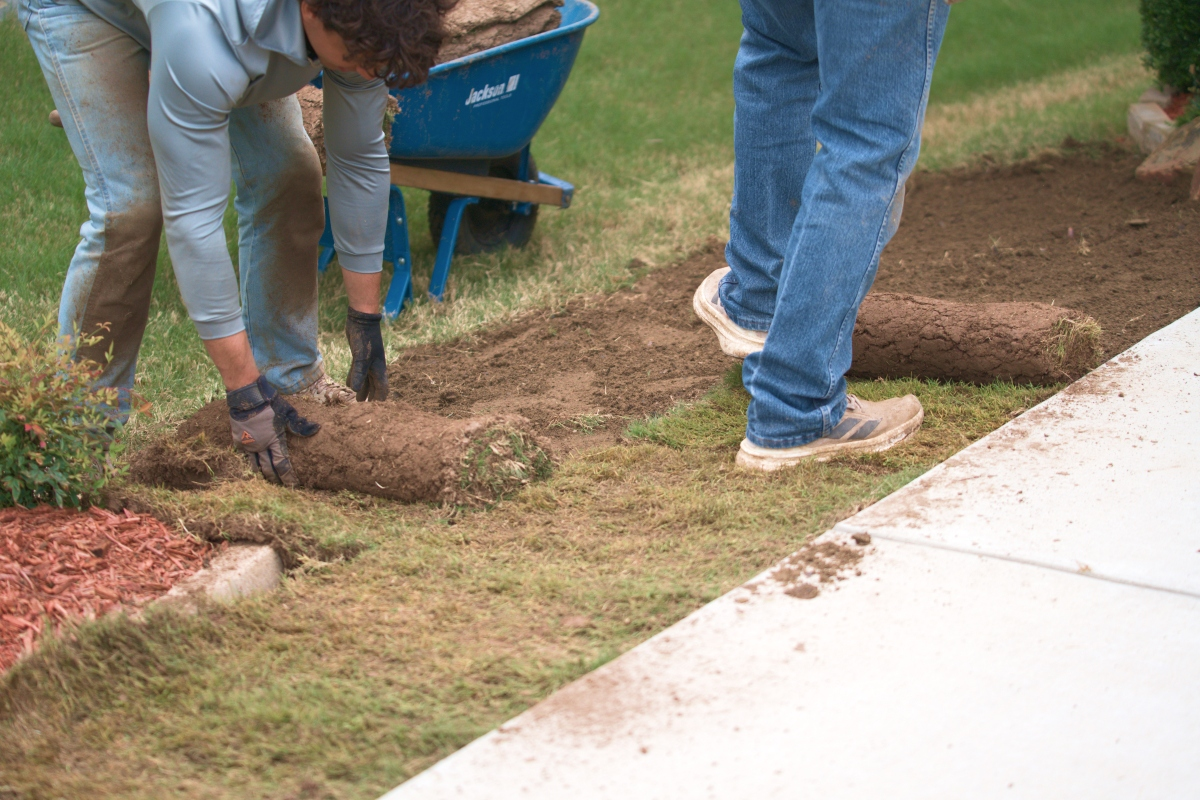
A beautiful lawn can make a home feel more inviting and give an outdoor area a fresh, finished appearance. It can also provide a useful space for relaxing, spending time with family, or enjoying the outdoors. The challenge is keeping natural grass healthy and attractive throughout the year.
Natural lawns need regular attention. Depending on the season, homeowners may spend time mowing, watering, trimming, feeding, and repairing areas that have become thin or damaged. For people who want to spend less time on routine lawn care, artificial grass can be an appealing alternative.
If you are considering artificial grass installation in Dallas TX, it is important to understand what goes into a successful lawn project. Choosing a suitable turf product is only one part of the process. Ground preparation, drainage, installation quality, and future maintenance all deserve attention.
What Is Artificial Grass?
Artificial grass is a synthetic surface designed to look similar to natural grass. It is made from durable grass fibers attached to a backing material. Different products can have different colors, textures, blade heights, and levels of thickness.
The right option depends on where the turf will be installed and how the space will be used. A front lawn may have different requirements from a backyard where children and pets spend time.
One of the main differences between artificial and natural grass is that artificial turf does not grow. Homeowners do not need to mow it, and there is no need to maintain it as a living plant.
However, artificial grass still needs basic care. Dust, leaves, dirt, and other outdoor debris can collect on the surface, so occasional cleaning is useful.
Why Artificial Grass Appeals to Busy Homeowners
Maintaining a natural lawn can become a regular responsibility. For homeowners with busy schedules, reducing the amount of routine lawn work can be a major advantage.
Artificial turf can provide a green appearance without requiring the same level of mowing and watering as natural grass.
Less Mowing
Mowing is one of the most common lawn maintenance tasks. During periods of active growth, it can become a frequent chore.
Artificial grass eliminates the need for mowing. This can give homeowners more time to enjoy their outdoor area instead of spending weekends maintaining it.
A Neat Appearance
Natural grass can develop bare patches or uneven areas due to foot traffic, shade, weather, or other conditions. Artificial turf provides a consistent surface that does not depend on natural growth.
This can be helpful for homeowners who want their lawn to maintain a tidy appearance throughout the year.
Start With a Careful Property Assessment
Every yard has different conditions. Before installing artificial turf, it is important to look at the existing landscape and understand what may affect the project.
The condition of the soil, existing grass, slope, drainage, trees, garden areas, walkways, and other features should all be considered.
Think About How the Space Will Be Used
The purpose of the lawn should influence your decisions. A decorative area may have different needs than a backyard used for family activities.
Consider whether the area will regularly be used by children, pets, guests, or outdoor furniture. High traffic areas may require a turf product designed to handle frequent use.
Planning around your daily activities can help you avoid choosing a surface that does not fit your needs.
How Artificial Grass Installation Works
A professional installation involves several stages. The exact process can vary based on the property, but careful preparation is essential.
Removing the Existing Lawn
Existing grass and weeds generally need to be removed from the installation area. Roots, rocks, debris, and other unsuitable material may also need to be cleared.
Removing the existing surface gives the installer a better foundation for preparing the new lawn.
Leveling and Preparing the Area
After the old lawn is removed, the area can be shaped and leveled. This is an important stage because uneven ground can affect the appearance of the finished turf.
Low areas should be identified before installation. Existing drainage problems should also be considered at this point.
Creating a Strong Base
A suitable base material is placed over the prepared ground and compacted to create a stable foundation.
Proper compaction can help reduce movement and create a smoother finished surface. If the foundation is poorly prepared, dips or soft areas may develop over time.
This is why installation quality matters. Much of the work that determines the final result happens beneath the visible turf.
Drainage Is a Key Part of Lawn Planning
A lawn should be designed to handle rainwater effectively. Water needs a clear path away from the surface rather than collecting in low areas.
Artificial grass is designed with drainage in mind, but the layers underneath also need to support proper water movement.
Look for Existing Water Problems
Pay attention to your yard after rain. If water regularly collects in one area, that problem should be addressed before artificial turf is installed.
Good preparation can help reduce standing water and make the finished outdoor space more functional.
Drainage should also be considered around patios, walkways, flower beds, and other landscape features. The entire yard should work together as one outdoor space.
Artificial Grass Compared With Natural Sod
Artificial turf is not the only choice for improving a lawn. Natural sod remains a popular option for homeowners who want real, living grass.
People searching for landscaping sod installation near me may be looking for a way to create a fresh natural lawn without waiting for grass seed to develop.
Sod can provide an attractive lawn quickly, but it requires continued care. Watering, mowing, feeding, and other maintenance remain part of owning a natural lawn.
Which Option Fits Your Lifestyle?
Artificial turf may be suitable for homeowners who want to reduce routine lawn care. Natural sod may appeal more to people who enjoy gardening and want a living lawn.
Before choosing, consider these factors:
- How much time can you devote to regular lawn care?
- How will the outdoor area be used?
- How much sunlight reaches the lawn?
- Does the property have suitable drainage?
- Do you prefer the feel of living grass or synthetic turf?
Neither option is automatically right for every homeowner. The best choice depends on your property and personal preferences.
Selecting the Right Artificial Turf
Artificial grass products can differ significantly in appearance and feel. Some have shorter blades, while others provide a fuller appearance. Colors can also range from bright green to more natural looking shades.
Look Beyond Color
When choosing turf, consider its texture, blade height, density, and expected use. A product that looks good in a photograph may look different when viewed outdoors.
If possible, examine samples in natural light before making your final choice. This can give you a better idea of how the material will look beside your home and existing landscaping.
Choosing an Experienced Installer
A quality installation requires attention to detail. The professional you choose should be able to explain how the area will be prepared and how drainage will be handled.
Ask questions about the turf material, base preparation, edging, seams, drainage, and ongoing care.
Clear Communication Matters
A trustworthy installer should explain the project in simple terms. You should know what work will be performed and what materials will be used.
It is also useful to discuss the expected project schedule and any preparation that may be needed around the lawn.
Avoid making a decision based only on the lowest price. The quality of preparation and installation can have a major effect on the appearance and performance of the finished lawn.
Caring for Artificial Grass After Installation
Artificial turf generally requires less maintenance than natural grass, but basic care can help preserve its appearance.
Leaves and debris should be removed regularly. The surface can be rinsed when dust or dirt builds up. Areas with frequent foot traffic may benefit from occasional brushing.
Pet owners should pay particular attention to areas used by animals. Regular cleaning can help keep these spaces fresh.
Always follow the maintenance recommendations provided for the specific turf product installed on your property.
Make the Lawn Part of the Overall Landscape
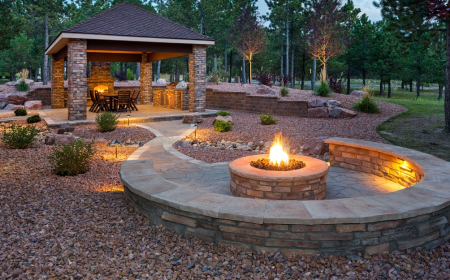
Artificial grass can look especially attractive when it is combined with other landscape features. Plants, trees, stone, pathways, garden borders, and outdoor seating can create contrast and make the yard feel more natural.
Think About the Entire Outdoor Area
Instead of focusing only on the lawn, consider how each part of the property connects. A pathway can guide people through the yard, while planting areas can add color and texture around the turf.
Outdoor furniture can also help define spaces for relaxing and entertaining.
Good planning can turn a simple lawn replacement into a more useful and attractive outdoor environment.
When Natural Sod May Be a Better Choice
Artificial turf has several advantages, but it is not the right solution for everyone. Natural sod may be preferable if you enjoy maintaining living grass and want a traditional lawn experience.
Sod can also be suitable when the property has favorable conditions for grass growth and you are comfortable with regular watering and mowing.
The decision should be based on your lifestyle, property conditions, maintenance preferences, and desired appearance.
Making an Informed Lawn Decision
A successful lawn project starts with realistic expectations. Artificial grass can reduce many routine maintenance tasks, but proper preparation and occasional care are still necessary.
Natural sod provides the look and feel of living grass, but it requires more ongoing attention. Comparing both choices based on your specific property can help you select an option that makes sense for your home.
Final Thoughts
Improving your lawn is an investment in the appearance and usability of your outdoor space. Whether you prefer artificial turf or natural sod, careful planning can help you achieve a result that works well for your property.
If you are researching artificial grass installation in Dallas TX or comparing options through a search for landscaping sod installation near me, consider factors such as drainage, lawn usage, maintenance, appearance, and installation quality. Texas Sod Pros can help homeowners explore suitable lawn solutions and create an outdoor space that complements their home and lifestyle.








Comments (0)