

How to Plan a Beautiful and Functional Landscape in Colleyville
Landscaping is about more than choosing attractive plants. It involves understanding the property, planning the layout, selecting suitable materials, and considering how the outdoor space will change over time.

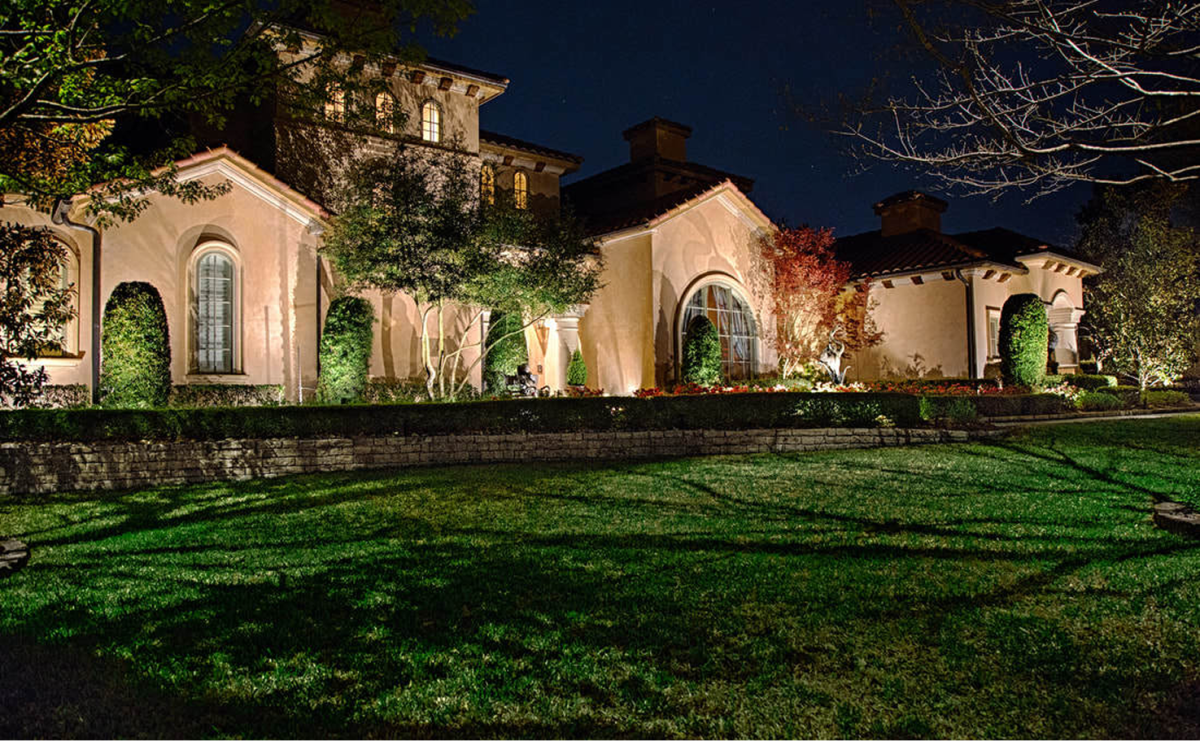
A well planned landscape can make a home feel more welcoming while giving homeowners more ways to enjoy their outdoor space. A yard can be used for relaxing, entertaining guests, spending time with family, or simply enjoying a pleasant view from inside the house. However, creating a landscape that looks good and works well requires careful thought.
Landscaping is about more than choosing attractive plants. It involves understanding the property, planning the layout, selecting suitable materials, and considering how the outdoor space will change over time. A landscaping company in Colleyville can help homeowners bring these different elements together and create a design that suits the property.
Whether the goal is a complete yard transformation or a smaller outdoor improvement, good planning can make the project more practical and easier to maintain.
Start With the Purpose of Your Yard
Before making design decisions, think about how you want to use the outdoor space. A landscape designed for entertaining may need a spacious patio and comfortable seating. A family yard may need open lawn areas. A homeowner who enjoys gardening may prefer larger planting beds.
Understanding the purpose of the yard helps determine where different features should go. It also prevents homeowners from adding features that look attractive but do not provide much practical value.
A good landscape should support everyday activities while complementing the appearance of the home.
Study the Existing Property
Every property has different conditions. The shape of the yard, amount of sunlight, soil, drainage, existing vegetation, and location of structures can influence the design.
Check Sun and Shade
Observe which areas receive direct sunlight and which remain shaded during different parts of the day. This information can help with plant selection and the placement of outdoor seating.
Plants that need plenty of sunlight may struggle in heavily shaded areas, while shade tolerant plants may not perform well in intense sun. Matching plants to their surroundings can support healthier growth.
Look at Water Movement
Rainwater should also be considered during landscape planning. Low areas may collect water, while sloped areas may experience runoff.
A design should account for how water moves across the property. Addressing drainage concerns before installing patios, walkways, or planting beds can help protect the finished landscape.
Choose Plants for the Right Conditions
Plants are an important part of almost every landscape, but choosing them requires more than picking the most attractive options.
Consider the amount of sunlight, available space, soil conditions, watering requirements, and expected mature size of each plant.
Think About Future Growth
A young tree may look small when installed, but it can become much larger over the years. Shrubs can also spread and become crowded if they are planted too close together.
Planning for mature growth can help prevent problems near windows, roofs, pathways, fences, and other structures.
Create Different Layers
A landscape can feel more balanced when plants are arranged at different heights. Tall trees can provide structure and shade, medium sized shrubs can add fullness, and smaller plants can add color and texture near the ground.
Repeating certain plants in different areas can also make the property feel connected.
Add Practical Hardscape Features
Hardscape elements can give a landscape structure while making the outdoor space more useful. These features may include patios, walkways, steps, retaining walls, seating areas, and decorative surfaces.
The right combination depends on the size of the property and the homeowner's needs.
Design a Useful Patio
A patio can serve as an outdoor extension of the home. It can provide space for dining, relaxing, entertaining, or enjoying a quiet morning.
The location matters as much as the size. A patio should be convenient to access and positioned where it can be comfortably used. Shade, privacy, nearby doors, and views can all influence the best location.
Plan Comfortable Walkways
Walkways help connect different areas of the property. They can lead from the driveway to the front door, connect a patio with the garden, or provide access to different parts of the backyard.
A well planned walkway should be easy to follow and wide enough for its intended use. Its material and design should also complement the home and surrounding landscape.
Create Privacy Naturally
Outdoor privacy can make a yard more comfortable, especially when neighboring properties are nearby. Landscaping can provide privacy without making the space feel enclosed.
Trees, shrubs, screens, and carefully positioned planting areas can help block unwanted views. The best approach depends on the property layout and how much privacy the homeowner wants.
When using plants for privacy, remember that they will grow. Proper spacing is important so the planting area remains healthy and manageable as the plants mature.
Make the Landscape More Comfortable
A beautiful landscape should encourage people to spend time outdoors. Shade, seating, lighting, and well planned planting can all improve the experience.
Use Shade Where It Matters
Trees can provide valuable shade for patios, seating areas, and parts of the yard. Their placement should be considered carefully so they provide useful coverage without creating problems for structures or pathways.
Add Outdoor Lighting
Lighting can make paths, entrances, patios, and selected landscape features easier to use after sunset. It can also add a welcoming appearance to the property.
The goal should be practical lighting rather than excessive brightness. Carefully positioned fixtures can highlight important areas while keeping the overall atmosphere comfortable.
Plan for Maintenance
Maintenance should be considered before installation rather than after the project is finished. A landscape that requires more work than the homeowner expects may eventually become difficult to manage.
Important factors include:
- Plant watering requirements
- Pruning and trimming needs
- Lawn care requirements
- Seasonal cleanup
- Cleaning and care for hardscape surfaces
Plant selection can have a major effect on future maintenance. Choosing plants suited to the property's conditions may reduce unnecessary watering, replacement, and other ongoing work.
Select Materials Carefully
Outdoor materials should work well with the existing home. Patios, paths, walls, edging, and decorative surfaces can all influence the overall appearance.
Consider texture, shape, durability, and how the material will look alongside the home's exterior. A simple design with carefully selected materials can often look more natural than a yard filled with too many different styles.
It is also worth thinking about how materials will be used. A busy walkway may need a different surface than a decorative garden path.
Build a Realistic Budget
A clear budget can make landscaping decisions easier. Project costs may depend on the property size, materials, plants, grading, drainage improvements, labor, and additional outdoor features.
Homeowners should identify their most important improvements first. If the complete project cannot be completed at once, it may be possible to divide the work into stages.
For example, essential site preparation can be completed first, followed by planting areas, walkways, patios, or other features. Planning the entire project from the beginning can help future additions fit naturally with the original design.
Why Professional Landscape Planning Matters
A professional approach can help homeowners avoid common design problems. An experienced landscape professional can evaluate the property, discuss goals, consider site conditions, and develop a practical plan.
Professional landscape design and installation services can also help connect the design stage with the actual installation. This can create better consistency between the planned layout and finished landscape.
Homeowners should look for clear communication and a willingness to explain important project decisions. It is reasonable to ask about materials, plant choices, expected maintenance, installation steps, and project timelines before work begins.
Prepare the Site Before Installation
Good preparation provides a strong foundation for the project. Depending on the property, preparation may include removing unwanted vegetation, improving soil, addressing drainage, preparing planting beds, and marking areas for hardscape features.
Hardscape work may need to be completed before planting because construction can disturb nearby soil. Once major features are installed, plants and finishing details can be added according to the design.
Taking time during preparation can help create a cleaner and more organized final result.
Design for the Future
A landscape should not only look good immediately after installation. It should continue to work as plants grow and the homeowner's needs change.
Leave enough space for trees and shrubs to reach their mature size. Think about how children, pets, guests, or outdoor furniture may affect the space. Future improvements should also be considered when deciding where major features will be installed.
A flexible design can make it easier to update the yard without starting over.
Conclusion
Creating an attractive outdoor space requires thoughtful planning, suitable plants, practical hardscape features, proper site preparation, and realistic maintenance expectations. Homeowners searching for a landscaping company in Colleyville can benefit from professional guidance that considers both the appearance and function of the property. For those looking for dependable landscape design and installation services, RP Landscape can help homeowners develop an outdoor space that complements their home and provides lasting enjoyment.







Comments (0)