Bent Neck Rig Comfort Study: How Neck Angle Changes Real Use
A practical guide explaining how neck angle affects posture, airflow, splash control, and overall comfort during real-world sessions.
 samaritansmokeshop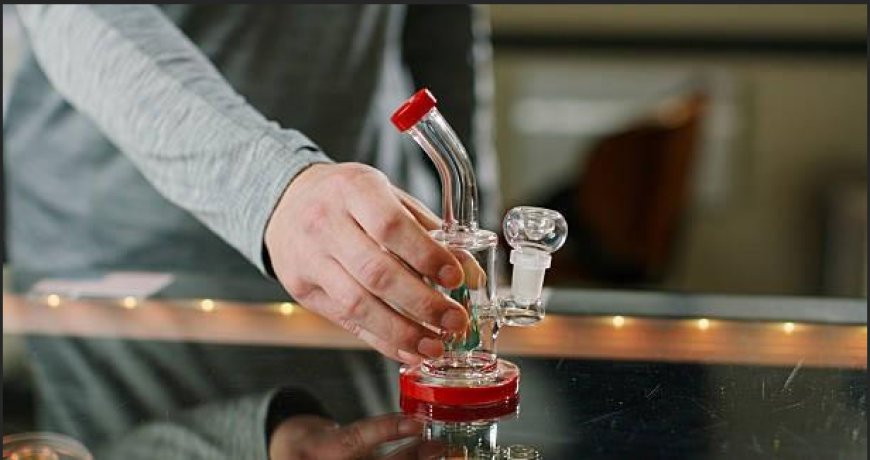
Are you tired of leaning forward every time you take a hit? Do you ever finish a session and notice your neck feels slightly stiff? Many people focus on size, design, or price, but overlook one important factor: neck angle.
In this bent-neck rig comfort study, we break down how changes in neck angle affect posture, airflow, splash control, and real-world usability. If you want a setup that feels natural during everyday sessions, this guide explains what truly makes a difference.
Key Takeaways
-
Neck angle affects posture and muscle strain.
-
Bent designs reduce forward leaning.
-
Angled mouthpieces help limit splashback.
-
Natural alignment improves airflow.
-
Angle range affects setup flexibility.
-
Design impacts cleaning and durability.
How Neck Angle Changes Comfort in Real Use
Posture and Body Alignment
The neck angle determines how far you move toward the mouthpiece. With a straight vertical design, most users lean forward slightly. That movement may seem small, but repeated bending places steady pressure on the neck and shoulders.
Ergonomic research shows that even a 15-degree forward head tilt increases strain on cervical muscles. During repeated sessions, that strain compounds.
A bent neck rig brings the mouthpiece closer to your natural sitting position.
Example:
With a straight neck, you lean forward, losing back support. A bent neck lets you stay upright and relaxed, reducing strain over time.
Muscle Strain During Longer Sessions
Short sessions may not reveal discomfort. Longer ones do.
When using an acrylic bong placed on a low table, forward bending becomes noticeable after 20 to 30 minutes. With a bent neck rig design, forward lean is reduced, easing upper back and shoulder tension.
Common signs of improved comfort include:
-
Less shoulder stiffness
-
Fewer posture adjustments
-
Reduced upper back tightness
Small ergonomic changes make a clear difference over time.
Splash Control and Session Stability
Comfort also depends on consistency.
Straight-neck setups are more sensitive to water-level changes, increasing the risk of splashback. With a glass collector piece, even a slight overfill can cause water to travel upward during a strong inhale. An angled mouthpiece reduces that risk by altering the water-to-lip angle.
The result:
-
Fewer interruptions
-
Smoother inhales
-
More stable sessions
Geometry improves control.
Airflow and Natural Breathing Position
Neck angle affects airway alignment. For users who keep their smoking accessory kit on a desk or side table, posture becomes more noticeable during longer sessions.
When leaning toward a straight mouthpiece:
-
The chest compresses slightly.
-
The throat angle narrows.
-
Inhaling may feel less natural.
With a bent neck rig, the head stays level, and the chest remains open, allowing smoother, more comfortable airflow.
Ideal Angle Range: Does Degree Matter?
Not all bent neck designs are identical.
Common angles range between 30 and 45 degrees.
-
Around 30 degrees offers mild ergonomic improvement while maintaining upright structure.
-
Around 45 degrees provides stronger posture relief, especially for couch or low-table setups.
Extremely sharp angles may improve comfort but can affect balance or cleaning access. Moderate curvature typically delivers the best combination of stability and usability.
Surface Height and Everyday Setups
Furniture height impacts usability.
A straight neck works well only within a narrow height range. A bent neck adapts better to:
-
Low coffee tables
-
Standard desks
-
Side tables
If someone keeps their piece next to other shisha supplies on a mid-height surface, an angled neck allows a more natural sitting position without repeated torso adjustments.
Hand Position and Stability
Neck angle influences how you hold the base.
With a straight neck:
-
Users often pull the piece closer.
-
Wrist tension increases.
-
Stability depends more on grip strength.
With a bent neck rig:
-
The mouthpiece angles toward you.
-
Your hand rests naturally near the base.
-
Less pulling improves balance.
In group settings, this reduces accidental tipping.
Comfort includes control.
Cleaning and Durability Considerations
Curved designs introduce one practical factor: maintenance.
A bent neck may require slightly more attention during cleaning because residue can settle along curved surfaces. However, quality glass thickness at the bend usually prevents structural weakness.
High-quality builds reinforce the curve to prevent stress fractures. Cheap, thin glass may not.
If durability matters, inspect joint thickness and bend reinforcement before choosing a design.
When a Straight Neck Might Be Better
A straight neck design may suit:
-
Tall setups are placed on high counters.
-
Users who prefer an upright posture naturally.
-
Compact storage situations.
-
Minimalist builds with fewer curves.
For quick, upright sessions at desk height, straight designs can perform well.
The key is matching the neck angle to your environment.
Conclusion
This bent neck rig comfort study shows that neck angle meaningfully changes real use. A bent neck rig reduces forward leaning, supports neutral posture, lowers splashback risk, and promotes smoother airflow. Over the course of everyday sessions, those small ergonomic differences accumulate. Angle range, furniture height, cleaning habits, and durability all play a role. The most comfortable setup is not just about style. It is about how the piece interacts with your body. Choosing the right neck angle ensures each session feels stable, balanced, and natural.
FAQs
1. Does a bent neck really improve posture?
Yes. It reduces repeated forward bending and helps maintain a more neutral head position.
2. Is splashback less common with an angled neck?
In most cases, yes. The angled design keeps water further from the mouthpiece.
3. Does neck angle affect airflow comfort?
Yes. A level head position supports more open airway alignment.
4. What is the best angle for comfort?
Most users find moderate bends between 30 and 45 degrees provide the best balance of posture relief and stability.