

CBCT in Dubai: Advanced 3D Dental Imaging
CBCT in Dubai refers to cone beam computed tomography imaging performed for dental and maxillofacial assessment.

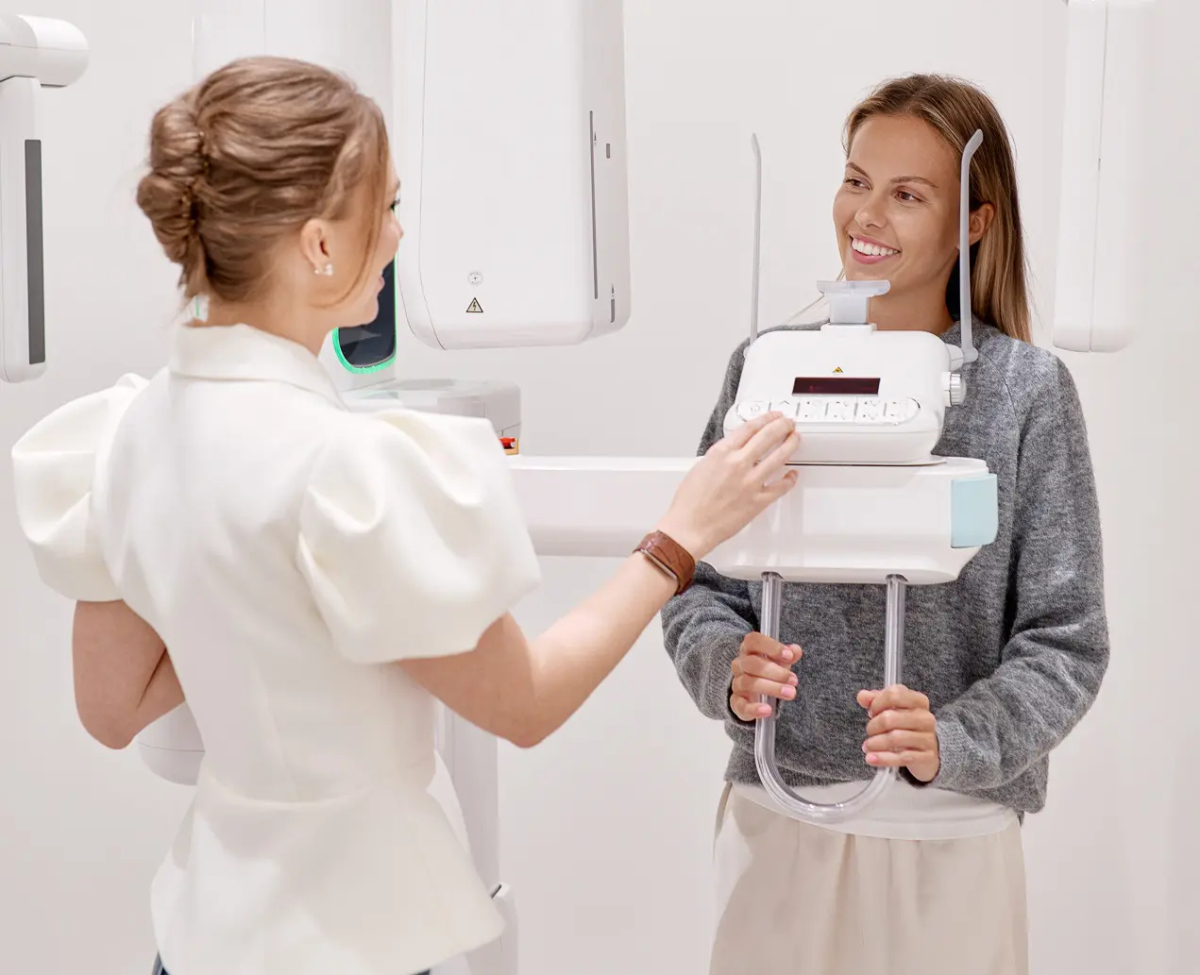
Modern dentistry increasingly depends on accurate imaging to understand the teeth, jawbones, nerves, and surrounding oral structures. Traditional dental X-rays provide valuable information, but they may not always show the complete three-dimensional relationship between different anatomical structures. This is where CBCT in Dubai has become an important diagnostic technology. Cone Beam Computed Tomography, commonly known as CBCT, uses advanced imaging technology to create detailed three-dimensional views of the oral and maxillofacial region.
With CBCT in Dubai, dentists can examine dental structures from multiple angles and obtain highly detailed images that support diagnosis and treatment planning. The technology can be particularly useful for implant planning, oral surgery, orthodontic assessment, root canal evaluation, impacted teeth, bone analysis, and other complex dental concerns. By providing a more comprehensive view of the treatment area, CBCT imaging can help dental professionals make informed clinical decisions.
What Is CBCT in Dubai?
CBCT in Dubai refers to cone beam computed tomography imaging performed for dental and maxillofacial assessment. Unlike conventional two-dimensional dental X-rays, CBCT creates a three-dimensional image of the teeth, jawbone, facial structures, and other relevant tissues. During the scan, the CBCT system rotates around the patient's head and captures multiple images. Specialized computer software then combines these images to create a detailed 3D representation.
The main advantage of CBCT in Dubai is its ability to display anatomical structures in three dimensions. Dentists can view the resulting images from different directions, helping them evaluate areas that may be difficult to assess through conventional imaging alone. This additional information can be especially valuable when treatment requires precise knowledge of bone dimensions, tooth position, or the location of important anatomical structures.
Why Is CBCT Imaging Important in Modern Dentistry?
Accurate diagnosis is an essential part of successful dental treatment. A dentist needs to understand the condition and position of teeth, roots, bone, and surrounding structures before deciding on an appropriate treatment approach. CBCT in Dubai provides detailed anatomical information that can complement clinical examinations and traditional dental imaging.
Three-dimensional imaging may help identify the precise position of impacted teeth, evaluate bone structure before dental implant placement, and assess the relationship between tooth roots and nearby nerves or sinuses. In endodontic cases, CBCT images can also provide additional information about root anatomy and areas that may not be clearly visible on conventional radiographs.
The technology can therefore contribute to more informed treatment planning. However, CBCT is not necessarily required for every dental patient. Dental professionals generally determine whether the additional information provided by the scan is clinically justified.
How Does a CBCT Scan Work?
A CBCT in Dubai examination is generally straightforward and relatively quick. The patient is positioned within the CBCT imaging system while the machine rotates around the head. The device captures a series of X-ray images from different angles. These images are processed by computer software to generate a three-dimensional image of the selected area.
Before the scan, patients may be asked to remove items such as glasses, jewelry, or other objects that could interfere with image quality. Depending on the type of examination, the scan may focus on a specific region of the mouth, jaw, or face. During image acquisition, remaining still is important because movement can affect image clarity.
Once the images are obtained, a dental professional can examine them using specialized software. The images may be viewed in different planes and perspectives, allowing the dentist to evaluate anatomical details more comprehensively.
CBCT in Dubai for Dental Implant Planning
Dental implants require careful planning because the implant must be positioned appropriately within the available bone while considering nearby anatomical structures. CBCT in Dubai can provide detailed information about the height, width, and shape of the jawbone and can help dentists assess the position of structures such as nerves and sinuses.
This information can assist in determining whether sufficient bone is available for implant placement and whether additional procedures may need to be considered. Three-dimensional planning may also support the selection of an appropriate implant position and improve the dentist's understanding of the surgical area.
CBCT for Orthodontic and Surgical Assessment
Orthodontic treatment sometimes requires detailed information about tooth position, jaw development, and impacted teeth. CBCT in Dubai can be used in selected cases when three-dimensional information is necessary for diagnosis or treatment planning. For example, it may help professionals assess the position of an impacted tooth in relation to neighboring roots.
The technology can also be useful in oral and maxillofacial surgical planning. Detailed 3D images may help dentists and surgeons understand complex anatomical relationships before procedures involving the jaw, teeth, or surrounding structures.
CBCT for Root Canal Evaluation
Root canal treatment involves identifying and treating the internal canal system of a tooth. Some teeth have complex root anatomy that can be difficult to evaluate using conventional two-dimensional X-rays. In selected situations, CBCT in Dubai may provide additional information about the number, shape, and position of root canals.
CBCT may also assist in evaluating persistent symptoms, suspected infections, fractures, or other complications when conventional diagnostic methods do not provide sufficient information. The scan should be used selectively and based on the patient's individual clinical requirements.
Is CBCT Safe?
CBCT uses X-rays, so radiation exposure is an important consideration. The radiation dose can vary depending on the equipment, field of view, and imaging settings used for the examination. Modern dental CBCT systems can be operated using protocols designed to obtain clinically useful images while minimizing unnecessary exposure.
Because of this, CBCT in Dubai should be recommended when the expected diagnostic benefits justify the exposure. Patients should inform their dental professional if they are pregnant or may be pregnant so that the appropriate precautions can be considered.
What Can Patients Expect During CBCT in Dubai?
Patients undergoing CBCT in Dubai generally do not experience pain during the imaging process. The procedure is non-invasive, and the scan itself is usually completed within a short period. The patient simply needs to remain still while the machine obtains the necessary images.
After the scan, patients can normally continue their usual activities unless another dental procedure has been scheduled. The dentist reviews the images and explains any relevant findings before recommending the next stage of treatment.
Frequently Asked Questions About CBCT in Dubai
Why might I need CBCT in Dubai?
CBCT in Dubai may be recommended when a dentist requires detailed three-dimensional information for diagnosis or treatment planning. It can be particularly useful for dental implants, impacted teeth, complex root canal cases, orthodontic assessment, and certain surgical procedures.
How long does a CBCT scan take?
The actual image acquisition is generally brief, although the total appointment time can vary depending on the type of scan and the dental facility. Your dental professional can provide more specific information based on the examination being performed.
Does CBCT hurt?
No. CBCT in Dubai is a non-invasive imaging procedure and does not normally cause pain. The main requirement is to remain still while the machine captures the images.
Is CBCT better than a regular dental X-ray?
CBCT and conventional dental X-rays serve different purposes. CBCT provides three-dimensional information, while conventional X-rays can be sufficient for many routine dental examinations. A dentist chooses the imaging method according to the patient's clinical needs.
Can CBCT be used before dental implants?
Yes. CBCT in Dubai is commonly useful in implant planning because it can provide detailed information about jawbone anatomy and nearby structures. This can help the dental professional plan implant placement more precisely.
Conclusion
Advanced imaging has become an important component of modern dental diagnosis and treatment planning. CBCT in Dubai provides detailed three-dimensional images that can help dental professionals evaluate teeth, jawbones, roots, nerves, sinuses, and other relevant anatomical structures. Its applications can range from implant planning and orthodontic assessment to complex root canal evaluation and surgical preparation.
Although CBCT offers valuable diagnostic information, it should be used when clinically appropriate rather than as a routine replacement for every type of dental X-ray. A qualified dental professional can determine whether CBCT in Dubai is suitable based on the patient's symptoms, dental condition, and proposed treatment. With appropriate use, this advanced imaging technology can provide valuable anatomical insight and support more informed, carefully planned dental care.









Comments (0)