

Synchronous Condenser Market Size, Trends, Drivers, and Growth Forecast 2026-2033
The synchronous condenser industry is witnessing steady growth as power grids increasingly integrate renewable energy sources needing advanced voltage regulation and reactive power support. This market report highlights the evolving market dynamics impacting the synchronous condenser market size and market revenue, illustrating key market trends shaping strategic business growth.

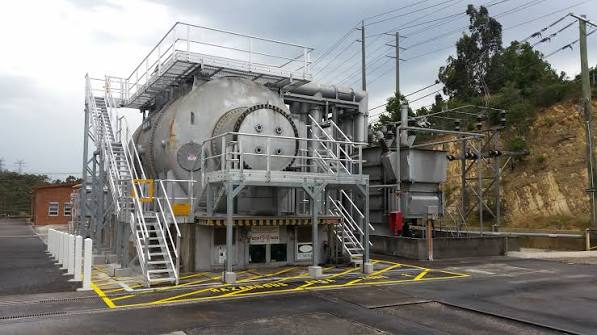
The synchronous condenser industry is witnessing steady growth as power grids increasingly integrate renewable energy sources needing advanced voltage regulation and reactive power support. This market report highlights the evolving market dynamics impacting the synchronous condenser market size and market revenue, illustrating key market trends shaping strategic business growth.
Market Size and Overview
The Global Synchronous Condenser Market is estimated to be valued at USD 1.50 Bn in 2026 and is expected to reach USD 2.25 Bn by 2033, exhibiting a compound annual growth rate (CAGR) of 3% from 2026 to 2033.
This Synchronous Condenser Market Forecast reflects the rising demand for grid stability and energy efficiency solutions amid expanding renewable energy capacity worldwide. Increasing investments in grid infrastructure modernization and industrial applications further enhance industry size and market scope over the forecast period.
Market Drivers
- Grid Modernization and Renewable Integration: One of the primary market drivers influencing the synchronous condenser market growth is the accelerating adoption of renewable energy sources, such as wind and solar power. With intermittent energy production becoming prevalent, synchronous condensers provide vital reactive power compensation and voltage control, ensuring grid reliability. In 2024, countries like Germany and the U.S. invested over USD 1 billion collectively in grid-tied synchronous condenser projects, underscoring the importance of this technology in maintaining power quality. These initiatives contribute significantly to increased market revenue and business growth.
PEST Analysis
- Political: Governments across Europe and Asia in 2025 enacted favorable policies supporting grid resilience and sustainable energy integration, thereby encouraging investments in synchronous condensers. Regulatory incentives and subsidies bolster market expansion, positively impacting industry trends.
- Economic: Post-pandemic economic recovery in 2024 has increased infrastructure spending, with utilities allocating substantial budgets to grid enhancement projects, fueling market opportunities. However, inflationary pressures on raw materials pose market challenges affecting production costs.
- Social: Growing awareness around environmental sustainability continues to drive demand for clean energy grids supported by synchronous condensers. Customer willingness to invest in reliable power infrastructure fosters favorable market dynamics.
- Technological: Advances in synchronous condenser design, including digital control systems and improved efficiency modules launched in 2025, are enhancing system performance. These technological developments are essential to addressing market restraints related to grid integration complexity.
Promotion and Marketing Initiatives
Leading market participants have intensified promotional activities focusing on demonstrating synchronous condenser benefits through pilot projects and industry seminars. For instance, in early 2025, a major synchronous condenser manufacturer launched a global webinar series highlighting case studies from North American wind farms, resulting in a 15% increase in inbound sales inquiries. Such marketing initiatives boost market share and contribute to expanding market segments by educating end users on product benefits.
Key Players
- Siemens Energy
- Hitachi Energy Ltd.
- General Electric
- ABB
- Eaton
- Mitsubishi Electric
- Toshiba Energy Systems & Solutions
- Bharat Heavy Electricals Limited (BHEL)
- Schneider Electric
- Crompton Greaves
- Alstom
- Ormazabal
Recent strategies include:
- Siemens Energy expanded its synchronous condenser portfolio in 2025 by launching advanced digital models, achieving a 10% rise in market revenue.
- Hitachi Energy Ltd. secured multiple contracts in Asia-Pacific during 2024, enhancing its market share in emerging economies.
- General Electric formed strategic partnerships with renewable project developers to integrate synchronous condensers, which generated significant market opportunities in 2025.
FAQs
Q1: Who are the dominant players in the synchronous condenser market?
A1: The dominant players include Siemens Energy, Hitachi Energy Ltd., General Electric, ABB, and Eaton. These market companies lead with innovative product launches and global expansion strategies contributing to industry share growth.
Q2: What will be the size of the synchronous condenser market in the coming years?
A2: The market size is projected to grow from USD 1.50 billion in 2026 to USD 2.25 billion by 2033, reflecting steady market growth driven by renewable energy integration and grid modernization.
Q3: Which end-user industry has the largest growth opportunity?
A3: The power utility sector offers the most significant market opportunities due to accelerated grid upgrades and renewable energy projects requiring robust reactive power compensation.
Q4: How will market development trends evolve over the next five years?
A4: Market trends indicate increased adoption of digitally controlled synchronous condensers, integration into smart grid systems, and geographic expansion into emerging markets driven by government infrastructure initiatives.
Q5: What is the nature of the competitive landscape and challenges in the synchronous condenser market?
A5: The market is competitive with a few key players dominating. Challenges include raw material cost fluctuations and technology integration complexity, but innovation and strategic partnerships are helping market players overcome these constraints.
Q6: What go-to-market strategies are commonly adopted in the synchronous condenser market?
A6: Strategies include targeted pilot projects, educational marketing campaigns, collaborative partnerships with renewable developers, and continuous product innovation to drive business growth and expand market share.
‣ Get more insights on : Synchronous Condenser Market
‣ Get this Report in Japanese Language: 同期コンデンサー市場
‣ Get this Report in Korean Language: 동시콘덴서시장
‣ Read More Related Articles: Carbon Strips: The Future of Electricity Storage
About Author:
Priya Pandey is a dynamic and passionate editor with over three years of expertise in content editing and proofreading. Holding a bachelor's degree in biotechnology, Priya has a knack for making the content engaging. Her diverse portfolio includes editing documents across different industries, including food and beverages, information and technology, healthcare, chemical and materials, etc. Priya's meticulous attention to detail and commitment to excellence make her an invaluable asset in the world of content creation and refinement.









Comments (0)