

More Than a Break: How to Choose a Retreat That Truly Supports Your Well-Being

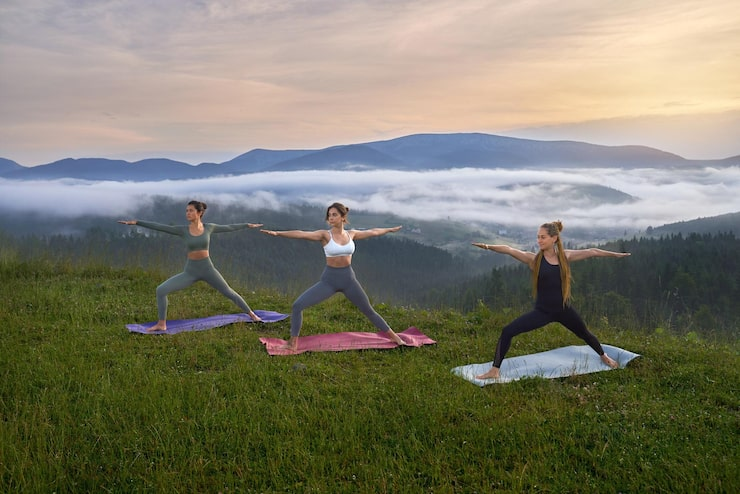
Taking time away from everyday responsibilities can feel like a luxury, but intentional rest can be much more valuable than simply escaping a busy schedule. When life becomes dominated by deadlines, notifications, commitments, and routines, it is easy to lose touch with the things that help you feel grounded.
A retreat offers an opportunity to change that rhythm.
Rather than filling your time with another packed itinerary, the right retreat can encourage you to slow down, reflect, move your body, nourish yourself, and create space for meaningful personal growth. Whether you are hoping to restore your energy or simply spend uninterrupted time with yourself, choosing the right experience can make all the difference.
What Should You Look For in a Wellness Retreat?
Start With What You Actually Need
The most suitable wellness retreat is not necessarily the one with the longest list of activities or the most impressive setting. It should match what you currently need from your time away.
Ask yourself what prompted you to consider a retreat in the first place.
Maybe you have been mentally overwhelmed and want a quieter environment. Perhaps you have neglected your physical well-being and want to reconnect with movement. Or maybe you simply want uninterrupted time to think about your priorities.
Once you understand your reason, evaluating different retreat experiences becomes much easier.
For example, someone experiencing digital overload may prefer a retreat that emphasizes mindfulness and limited screen use. Someone who feels physically inactive may appreciate gentle yoga, nature walks, or other movement-based activities.
Pro Tip: Before booking, write down three words describing how you want to feel when you return home. Words such as “rested,” “focused,” or “energized” can help you choose an experience based on your actual goals.
The Importance of the Retreat Environment
Where you spend your retreat can influence how easily you disconnect from your normal routine.
A peaceful natural setting may encourage slower mornings and more outdoor time. A smaller retreat space may feel more personal and intimate, while a larger program could provide more opportunities for social interaction and group activities.
Think beyond appearances.
A beautiful location can be appealing, but consider whether the environment supports the experience you want. If your primary goal is quiet reflection, a highly scheduled retreat with constant group activities may not be the best match.
Likewise, if connecting with others is important to you, an isolated experience may feel less fulfilling.
The right environment should make your desired pace feel natural rather than forced.
Why a Self Care Retreat Can Be Different for Everyone
Self Care Is Personal, Not a One-Size-Fits-All Routine
A self care retreat should not be viewed as a fixed formula for feeling better. What restores one person may not have the same effect on another.
For one person, self-care might mean sleeping without an alarm, enjoying nourishing meals, and spending time outdoors. For another, it could mean journaling, attending guided sessions, having thoughtful conversations, or simply being away from responsibilities.
This is why personal preference matters.
Instead of asking, “What does a perfect retreat look like?” ask, “What kind of experience would genuinely help me?”
That small change in perspective can prevent you from choosing a retreat based solely on trends.
Activities That Can Make the Experience Meaningful
A good retreat does not need to be packed with activities, but intentional experiences can help you engage with your time away.
Mindfulness sessions can encourage you to slow down and notice your thoughts. Gentle physical activities can reconnect you with your body. Journaling can help put vague feelings into words, while nature-based activities may provide a welcome break from screens and indoor environments.
Even something as simple as a shared meal can become meaningful when you are not rushing to your next responsibility.
Example: A Simple Retreat Day
Imagine beginning your morning with a quiet breakfast rather than checking work messages. You then spend time walking outdoors before joining a guided mindfulness session.
The afternoon might include a nourishing meal, personal reflection, and a workshop focused on healthy routines. In the evening, instead of scrolling through your phone, you write down a few thoughts about what you noticed during the day.
Nothing about this schedule is extreme.
Its value comes from the intention behind each activity.
Do You Need to Disconnect Completely?
Not necessarily.
Some people benefit from completely stepping away from technology, while others may need limited access for family or work responsibilities. What matters is creating boundaries that allow you to be present.
You could establish specific periods when your phone remains out of reach. You might turn off unnecessary notifications or decide not to check social media until a certain time.
The goal is not to prove that you can live without technology. It is to make sure technology does not consume every quiet moment.
Pro Tip: Before your retreat begins, decide when you will check your phone. Setting that boundary in advance is easier than trying to resist notifications repeatedly throughout the day.
What to Do When the Retreat Ends
The retreat may feel peaceful while you are there, but returning home can quickly bring familiar pressures back.
This is where many people miss the biggest opportunity.
Instead of trying to maintain every retreat practice, identify the few habits that genuinely made a difference.
Perhaps you discovered that a morning walk improves your mood. Maybe you enjoyed having breakfast without your phone. You might have realized that you need more regular time alone.
Choose one or two practices and make them part of your normal schedule.
For example, if you enjoyed quiet mornings at your retreat, you could create a 20-minute phone-free period before beginning your day. If nature helped you feel more relaxed, schedule a weekly outdoor walk.
Small habits are easier to maintain than dramatic promises.
How to Know You Chose the Right Experience
A successful retreat does not necessarily mean you felt relaxed every minute.
You might experience uncomfortable thoughts, realize that certain habits are not serving you, or discover that you need to make changes you had been avoiding. That can still be a valuable experience.
The real measure is what you take away from it.
Do you understand your needs a little better? Did you identify what has been draining your energy? Did you discover practices you genuinely want to continue?
If so, the retreat has already served a meaningful purpose.
Conclusion
Choosing a retreat is ultimately about choosing an experience that fits your current needs rather than following someone else's definition of wellness.
A wellness retreat can provide the environment and structure needed to pause, reflect, and restore your energy. A self care retreat can create dedicated space to focus on yourself without the usual demands competing for your attention.
You do not need to return as a completely different person. Sometimes the most valuable outcome is much simpler: a clearer mind, a better understanding of your needs, and a few realistic habits you can carry into everyday life.









Comments (0)