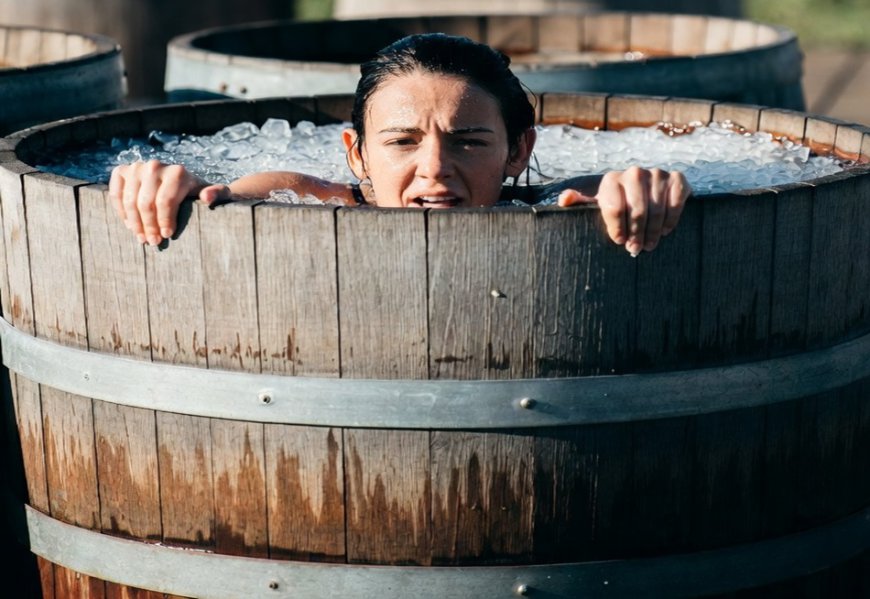
Chronic pain affects millions of people worldwide, interfering with daily activities, sleep, and overall quality of life. Whether caused by arthritis, fibromyalgia, lower back issues, or sports injuries, persistent pain can be physically and emotionally exhausting. In recent years, cold water therapy—also known as cold immersion or ice bath therapy—has gained attention as a natural method for managing chronic pain.
What Is Cold Water Therapy?
Cold water therapy involves immersing the body in cold water, typically between 10–15°C (50–59°F), for a short period of time. This can include ice baths, cold showers, or cold plunges. The practice has long been used by athletes for recovery, but it is increasingly being explored as a complementary approach for individuals dealing with long-term pain conditions.
How Cold Water Affects the Body
When your body is exposed to cold water, several physiological changes occur:
-
Reduced Inflammation: Cold temperatures constrict blood vessels (vasoconstriction), which helps reduce swelling and inflammation in affected tissues. Since inflammation is a common contributor to chronic pain, this reduction can provide relief.
-
Nerve Signal Slowing: Cold exposure slows down nerve conduction velocity. In simple terms, pain signals travel more slowly to the brain, which can temporarily decrease the sensation of pain.
-
Endorphin Release: Cold exposure stimulates the release of endorphins—the body’s natural painkillers. These hormones can elevate mood and reduce the perception of discomfort.
-
Improved Circulation After Warming: Once you leave the cold water and your body warms up, blood vessels dilate. This process increases blood flow, delivering oxygen and nutrients that may support tissue repair.
Benefits for Chronic Pain Conditions
Cold water therapy may be particularly helpful for certain chronic conditions:
-
Arthritis: Cold immersion can reduce joint swelling and stiffness, offering temporary relief from inflammation-related pain.
-
Fibromyalgia: Some individuals report reduced muscle tenderness and improved mood after controlled cold exposure.
-
Chronic Back Pain: By decreasing inflammation and numbing nerve endings, cold therapy may ease muscle spasms and discomfort.
-
Neuropathic Pain: While not a cure, cold therapy may dull nerve sensitivity for short-term relief.
It’s important to note that results vary from person to person. What works well for one individual may not have the same effect for another.
How to Use Cold Water Therapy Safely
If you are considering cold water therapy for chronic pain, start gradually:
-
Begin with cold showers lasting 30–60 seconds.
-
Progress to 2–5 minutes in cool water before attempting full ice baths.
-
Limit ice bath sessions to 5–10 minutes.
-
Always listen to your body and avoid pushing through severe discomfort.
People with cardiovascular conditions, respiratory issues, or circulation disorders should consult a healthcare professional before trying cold immersion.
Is It a Cure?
Cold water therapy is not a cure for chronic pain, but it can be a valuable tool in a broader pain management strategy. It works best when combined with other approaches such as physical therapy, stretching, proper nutrition, stress management, and medical guidance.
Final Thoughts
Chronic pain management often requires a multi-faceted approach. Cold water therapy offers a natural, low-cost option that may reduce inflammation, numb pain signals, and improve overall well-being. While research is still evolving, many individuals find it to be a helpful addition to their routine.
As with any therapy, consistency, moderation, and professional advice are key. When used correctly, cold water therapy may provide meaningful relief and help individuals regain a sense of control over their chronic pain journey.

 hotubspas