Common Mistakes to Avoid When Buying Sport-Specific Prescription Eyewear
Avoid costly errors when buying sports prescription eyewear. Learn key mistakes, smart tips, and how to choose the right lenses for performance and comfort.
 bluecutglasses
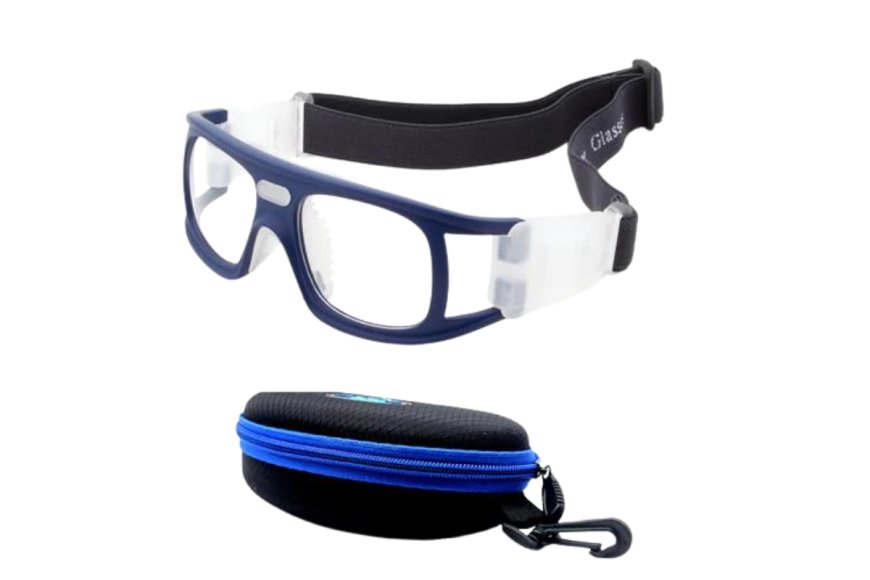
When it comes to sports, most people focus on training, gear, or shoes—but often forget about their eyes. Wearing the right sport-specific prescription eyewear is important not only for clear vision but also for protecting your eyes from injuries. This is true for everyone, from professional athletes to casual players, and especially for kids. Choosing the wrong glasses can lead to discomfort, poor vision, or even serious eye injuries.
In this article, we will go through the most common mistakes people make when buying prescription sports glasses, how these mistakes can affect performance and safety, and what you should do instead. We’ll cover everything from lens materials to proper fit and safety features. By the end, you’ll know how to pick the right eyewear that keeps your eyes safe while helping you play your best.
Mistake 1: Choosing Looks Over Function
Many people pick glasses based on how they look rather than how well they work. While style matters, it should not come before safety and comfort. Sport-specific prescription eyewear needs to stay in place, be durable, and give you a clear view without slipping or fogging.
Glasses that are chosen only for style may fall out during activity or fail to protect against sports eye injuries. Always look for sturdy, lightweight frames that fit securely and give good peripheral vision. This is true for adults and children alike, especially when buying prescription sports glasses for kids.
Mistake 2: Using the Wrong Lens Material
Not all lenses are safe for sports. Regular glass or plastic lenses can break on impact, which is dangerous. The best options for sport-specific prescription eyewear are polycarbonate or Trivex lenses. These are strong, lightweight, and resistant to breaking.
Polycarbonate lenses also naturally block UV rays, which is important for outdoor activities. For children, impact-resistant lenses are essential because kids are more likely to bump into things or fall. Choosing the wrong lens material can put your eyes at serious risk.
Mistake 3: Poor Fit
A good fit is very important. Glasses that are too loose can slip off, while tight ones can be uncomfortable or leave marks. Many people don’t adjust frames properly or try different sizes before buying.
Properly fitted prescription sports glasses also make sure your vision is clear from every angle. Wraparound frames, adjustable nose pads, and flexible temples can help. For children, adjustable frames make sure the glasses stay on even during active play and reduce the risk of sports eye injuries.
Mistake 4: Forgetting Anti-Fog and Ventilation
Sports often involve sweat and heavy breathing, which can make lenses fog up. Foggy lenses block your vision and increase the risk of accidents. Some people ignore anti-fog coatings or ventilation features in prescription sports glasses, thinking they aren’t necessary.
Glasses with anti-fog lenses or ventilation channels give clear vision even during intense activity. This is especially helpful for indoor sports, winter sports, or games in changing temperatures. Kids also benefit because foggy lenses can make them take off their glasses and risk getting hurt.
Mistake 5: Skipping UV Protection
UV rays can damage your eyes over time. Some people assume all prescription lenses block UV light, but that isn’t always true. Sport-specific prescription eyewear should provide full UVA and UVB protection, especially for outdoor sports.
This is particularly important for children since their eyes are more sensitive. When buying prescription sports glasses for kids, always check for UV protection to prevent long-term damage.
Mistake 6: Ignoring Lens Tints and Polarization
Lens tints and polarization are often overlooked, but they improve visibility and comfort. Different sports and lighting conditions need different lens options.
For example, yellow or amber tints help improve contrast for ball sports, while gray or brown tints reduce glare in bright sunlight. Polarized lenses are ideal for water sports or snowy conditions. Not considering these features can lead to eye strain and slower reactions during play.
Mistake 7: Not Consulting an Eye Care Professional
Some people buy prescription sports glasses without consulting an eye doctor. This is risky because sports eyewear needs proper prescriptions, fit, and lens options.
Eye care professionals can help you choose the right lens material, frame style, and safety features. This is especially important for children, whose prescriptions can change quickly. Skipping professional advice can lead to glasses that are uncomfortable, unsafe, or ineffective.
Mistake 8: Thinking One Pair Works for All Sports
Some athletes assume one pair of glasses is enough for every sport. But different sports have different requirements. Cycling glasses need aerodynamic shapes, while glasses for racquet sports focus on impact protection and wide vision.
Buying the wrong pair can increase the risk of sports eye injuries or reduce performance. It’s better to invest in glasses designed for the sport you play. Children also benefit from sport-specific glasses that keep them safe and comfortable during every activity.
Mistake 9: Overlooking Safety Standards
Not all sports glasses meet safety standards. These standards ensure the glasses can handle impacts and protect your eyes. Many buyers overlook this, risking serious sports eye injuries.
This is especially important for kids, who are more likely to experience accidental impacts. Certified glasses are tested to withstand hits from balls, sticks, and falls. Choosing uncertified eyewear can put your eyes at unnecessary risk.
Mistake 10: Waiting Too Long to Replace Glasses
Over time, lenses can get scratched, frames can loosen, and prescriptions can change. Many people delay replacing their prescription sports glasses, which reduces both safety and vision quality.
It’s important to inspect your glasses regularly and replace them when needed. This is particularly true for children, whose prescriptions can change quickly. Regular updates ensure the best vision, comfort, and protection during sports.
Conclusion
Buying the right sport-specific prescription eyewear is about more than just looks. Avoiding these mistakes—like ignoring lens material, fit, anti-fog features, UV protection, or safety standards—can protect your eyes and improve your performance.
Whether you are looking for prescription sports glasses for kids or adult options, choosing the right glasses reduces the risk of sports eye injuries and helps you enjoy your favorite activities safely. For a wide selection of quality options and expert guidance, check out BlueCut Glasses, where safety, comfort, and performance come together.