Cooling Fan for Laptop: Essential IT Hardware Guide
Discover why a cooling fan for laptop is essential in modern IT Hardware. Learn how cooling fans improve performance, prevent overheating, and extend the life of Computer Hardware.
 harryraw01
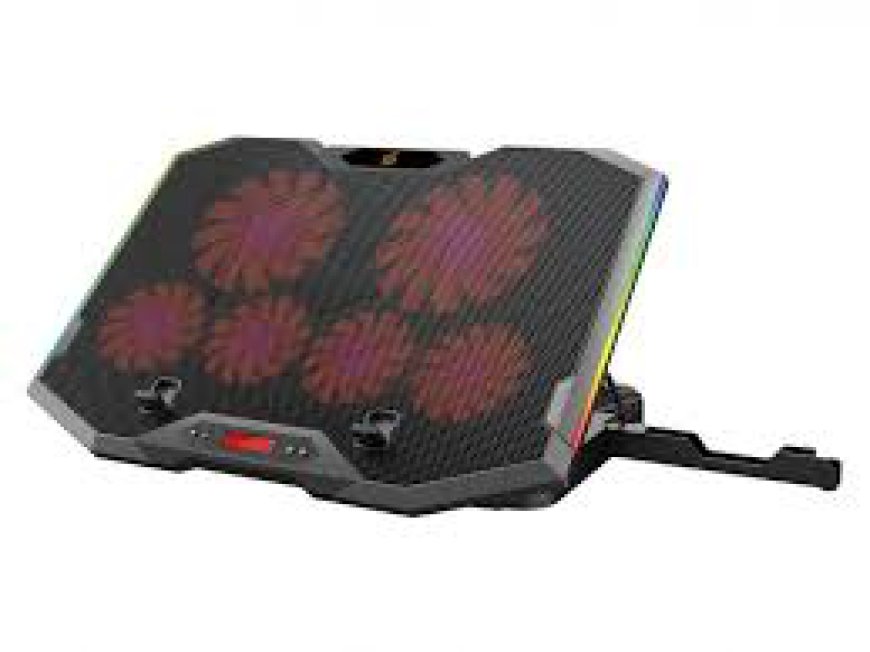
In today’s digital era, laptops and computers have become an essential part of everyday life. Whether used for professional tasks, gaming, or educational purposes, modern systems perform complex operations that generate significant heat. Managing this heat is crucial to maintaining performance and extending the lifespan of devices. This is where the importance of a cooling fan for laptop becomes clear. As an essential part of IT Hardware and Computer Hardware, cooling fans play a vital role in preventing overheating and ensuring smooth system performance.
Laptops are designed with compact components that operate closely together. When processors, graphics units, and storage drives run intensive tasks, they produce heat. Without proper ventilation and cooling mechanisms, this heat can damage internal components. A reliable cooling fan for laptop ensures that the generated heat is efficiently expelled from the system, maintaining optimal temperature levels.
Understanding the Role of Cooling Fans in Computer Hardware
Cooling technology has evolved significantly alongside advances in computing power. As processors become faster and more powerful, the need for efficient cooling systems grows. Within the field of Computer Hardware, cooling solutions are considered a core component of system stability.
Cooling fans function by circulating air through the internal structure of a device. In laptops, the fan draws hot air away from heat-generating components such as the CPU and GPU and pushes it out through ventilation ports. This continuous airflow prevents heat buildup and ensures that the device operates within safe temperature limits.
While desktop systems often use large cooling fans for PC, laptops rely on compact and specialized cooling fans that are engineered to work within a smaller space. Despite their smaller size, these fans are highly efficient and play a critical role in maintaining the system’s health.
Why a Cooling Fan for Laptop is Essential
A laptop without proper cooling can quickly encounter performance issues. Overheating leads to system slowdowns, unexpected shutdowns, and in severe cases, permanent hardware damage. The cooling fan for laptop prevents these problems by maintaining stable internal temperatures.
One of the most common issues in modern computing systems is thermal throttling. When a processor becomes too hot, the system automatically reduces its performance to prevent damage. This can significantly slow down applications, particularly during tasks such as video editing, gaming, or running complex software. By maintaining effective airflow, cooling fans help prevent thermal throttling and allow the laptop to operate at full capacity.
Additionally, excessive heat can shorten the lifespan of internal components. Processors, memory modules, and storage drives are sensitive to high temperatures. Efficient cooling solutions help protect these valuable parts of IT Hardware, ensuring long-term reliability and durability.
The Technology Behind Laptop Cooling Fans
Modern cooling fans are designed using advanced engineering techniques to maximize airflow while minimizing noise and power consumption. In the context of Computer Hardware, manufacturers focus on creating fans that are both efficient and compact.
A typical cooling fan for laptop works in conjunction with a heat sink and heat pipes. Heat pipes transfer heat away from the processor to the heat sink, which then dissipates the heat through the airflow created by the fan. This integrated cooling system ensures that heat is quickly removed from the most sensitive areas of the laptop.
Fan blades are carefully shaped to optimize airflow while reducing vibration and noise. Many modern laptops also use smart thermal management systems that automatically adjust fan speed based on temperature levels. This allows the fan to run quietly during normal use while increasing speed during heavy workloads.
Differences Between Laptop Cooling Fans and PC Cooling Fans
Although both serve the same fundamental purpose, cooling fans for laptops and desktops differ significantly in design and functionality. Desktop computers have larger cases that allow for multiple cooling fans for PC, including intake fans, exhaust fans, and dedicated fans for graphics cards.
In contrast, a cooling fan for laptop must operate within a limited space. Laptop fans are typically smaller and thinner, yet they must deliver sufficient airflow to cool critical components. Because of this design constraint, laptop cooling systems rely heavily on precise engineering and airflow optimization.
Desktop systems can easily upgrade or add additional cooling fans, while laptop cooling fans are often integrated directly into the device’s internal structure. This makes their design even more important for maintaining system efficiency.
Signs That a Laptop Cooling Fan Needs Attention
Over time, cooling fans may accumulate dust or experience wear and tear. When this happens, the system may struggle to maintain proper temperature levels. Recognizing early signs of cooling problems can help prevent serious damage to Computer Hardware.
One common indication is excessive fan noise. If the fan begins running loudly or constantly, it may be working harder than usual due to increased heat levels. Another warning sign is frequent system overheating or sudden shutdowns during heavy tasks.
Users may also notice decreased system performance or unusual warmth on the laptop’s surface. These symptoms often suggest that the cooling fan is not functioning efficiently and may require cleaning or replacement.
Maintenance Tips for Laptop Cooling Fans
Proper maintenance plays an important role in ensuring that cooling fans continue to perform effectively. Regular care helps protect valuable IT Hardware and improves overall system performance.
One of the most important steps is keeping the laptop clean and free from dust. Dust accumulation inside ventilation ports can block airflow and reduce the fan’s efficiency. Using compressed air to clean the vents periodically can help maintain proper airflow.
Another important practice is using the laptop on flat surfaces. Soft surfaces such as beds or couches can block ventilation openings and restrict airflow. Placing the device on a hard surface allows the cooling fan for laptop to function properly.
External cooling pads can also provide additional airflow, particularly for users who run demanding applications or gaming software. These accessories include additional cooling fans that support the laptop’s internal cooling system.
The Future of Cooling Technology in IT Hardware
As computing technology continues to advance, cooling solutions are becoming more sophisticated. Engineers are constantly developing new ways to improve thermal management within compact devices.
Some modern laptops now incorporate vapor chamber cooling systems that distribute heat more efficiently across a larger surface area. Others combine traditional cooling fans with advanced thermal materials to enhance heat dissipation.
Artificial intelligence is also playing a role in thermal management. Smart cooling systems can analyze workload patterns and automatically adjust fan speed to maintain optimal temperatures while minimizing energy consumption and noise.
Despite these innovations, the fundamental importance of a reliable cooling fan for laptop remains unchanged. It continues to serve as a critical component in maintaining the performance and longevity of modern computing devices.
Choosing the Right Cooling Solution
Selecting the right cooling solution depends on several factors, including system design, usage patterns, and workload intensity. For everyday users, the built-in cooling fan typically provides sufficient airflow. However, users who frequently run resource-intensive applications may benefit from additional cooling accessories.
Gaming laptops, for example, often feature enhanced cooling systems with multiple fans and larger heat sinks. These advanced designs ensure that high-performance components remain within safe temperature limits even during demanding tasks.
Understanding the role of cooling fans within Computer Hardware helps users make informed decisions about system maintenance and upgrades.
Conclusion
A cooling fan for laptop is far more than just a small mechanical component. It is a vital part of the entire thermal management system that protects and optimizes modern computing devices. Within the broader landscape of IT Hardware and Computer Hardware, cooling fans play a central role in maintaining performance, preventing overheating, and extending the lifespan of valuable equipment.
As laptops continue to become more powerful and compact, efficient cooling solutions will remain essential. Whether integrated within the system or supported by external accessories, cooling fans ensure that devices operate smoothly under demanding conditions. By understanding their importance and maintaining them properly, users can protect their laptops and enjoy reliable performance for years to come.
In the rapidly evolving world of technology, the humble cooling fan continues to prove its importance as one of the most critical components in modern computing systems.