Discover the Untamed Beauty and Epic Power of the Kanchenjunga Circuit Trek
 juniperhayes
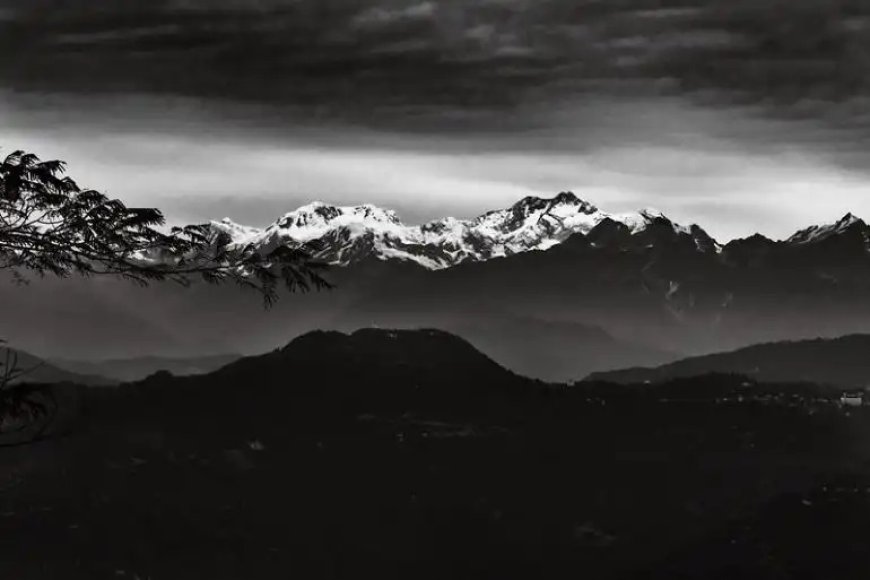
The path was quiet, the air was cool, and the mountains stood tall like silent guards. With every step, I felt deeper peace and growing wonder. From the very first day on the Kanchenjunga Circuit Trail, I knew this journey would be wild, powerful, and full of meaning. This remote trek leads into one of Nepal’s last untouched mountain regions, where nature still rules and silence speaks louder than words.
A Remote World Waiting to Be Explored
The Kanchenjunga Circuit Trek lies in far eastern Nepal, close to the borders of India and Tibet. It circles Mount Kanchenjunga, the third-highest mountain in the world. Few travelers come here, which makes the region feel pure and peaceful.
Unlike busy trails, this trek passes through deep forests, wide river valleys, and quiet villages. The path often feels like it belongs only to you. Prayer flags flutter in the wind, and stone walls whisper old stories.
This journey is not just a walk. It is a deep dive into nature, culture, and self-discovery.
Why Kanchenjunga Feels So Powerful
Mount Kanchenjunga rises to 8,586 meters, standing strong against the sky. Its icy peaks glow in the early morning light, filling the heart with awe.
As you walk closer, the mountains seem alive. Waterfalls roar down steep cliffs. Rivers rush over smooth stones. Forests echo with bird songs.
This powerful mix of sound, sight, and silence makes the trek unforgettable. Here, you feel small, yet deeply connected to the world.
Trek Facts and Useful Statistics
Before planning your adventure, it helps to know some key details:
-
Average Trek Length: 20 to 26 days
-
Total Distance: About 220 to 240 kilometers
-
Maximum Elevation: 5,143 meters (16,873 feet) at Lapsang La Pass
These numbers show that the Kanchenjunga Circuit Trek is long and demanding. But with patience, good planning, and steady steps, it becomes one of the most rewarding journeys in Nepal.
A Journey Through Living Culture
One of the best parts of this trek is meeting the local people. The trail passes through villages of Limbu, Rai, Sherpa, and Tibetan communities. Each group has its own language, dress, and customs.
Homes are simple, built of stone and wood. Life moves slowly. Children wave as you pass. Elders smile and offer warm tea.
At night, you stay in small teahouses or family lodges. Meals are simple but filling—rice, lentils, vegetables, and warm soup. These shared moments build deep connections.
Forests, Rivers, and Wild Beauty
The trail moves through many types of landscapes. In lower areas, you walk through thick forests filled with bamboo, pine, and rhododendron trees. In spring, flowers bloom in bright colors.
Higher up, forests fade into rocky valleys and open fields. Yaks graze quietly. Snow peaks rise on all sides.
You cross hanging bridges over rushing rivers and walk beside icy streams. Every turn brings new beauty and fresh air.
Nature here feels raw, strong, and untouched.
The Two Great Base Camps
The trek leads to two main highlights: North Base Camp (Pangpema) and South Base Camp (Oktang).
At Pangpema, you stand face to face with Kanchenjunga’s massive north face. The view is wide and powerful. Snow and ice stretch far into the sky.
At Oktang, you see towering glaciers and tall peaks shining in the sun. The scene feels calm, yet bold.
These moments remind you why this trek is so special.
Crossing High Passes and Testing Strength
One of the hardest parts of the trek is crossing high mountain passes. The air grows thin, and each step feels slow.
But with steady breathing and slow movement, you rise higher. Prayer flags mark the highest points, fluttering in the cold wind.
Standing on these passes brings deep pride and joy. You know you have crossed a great challenge.
Best Time to Trek the Kanchenjunga Circuit
The best seasons are spring (March to May) and autumn (September to November).
Spring offers blooming flowers and mild weather. Autumn brings clear skies and sharp mountain views.
Winter is cold and snowy, while summer brings heavy rain and slippery trails. Choosing the right season makes the journey safer and more pleasant.
Preparation, Fitness, and Safety
This trek is for strong walkers with good fitness. Long days, steep climbs, and rough paths require patience and endurance.
Training before the trip helps a lot. Simple hikes, stair climbing, and daily walks build strength.
Because the area is remote, hiring a licensed guide is required. Guides help with safety, navigation, and local knowledge. They also make the journey richer and more meaningful.
Why This Trek Changes You
The Kanchenjunga Circuit Trek is more than a physical challenge. It is a journey inward.
Long days of walking bring quiet thought. Wide views open the mind. Kind people warm the heart.
By the end, you feel stronger, calmer, and more thankful. You learn to respect nature and value simple things.
Final Thoughts: A Journey Worth Every Step
Hidden far from busy trails, the Kanchenjunga Circuit Trek offers wild beauty, deep peace, and true adventure. It invites you to slow down, look up, and listen.
If you seek silence, strength, and powerful mountain magic, this journey will welcome you.
Take the step. Follow the trail. Discover the untamed beauty and epic power of Kanchenjunga.