Double Pipe Heat Exchangers That Still Solve Real Plant Problems
Double pipe heat exchangers explained by Houston experts. Learn when they work best, how to size them, and why fast availability matters in real operations.
 ASM_PICK
Why This Old Design Still Shows Up in Modern Plants
You’d think something as straightforward as a double pipe heat exchanger would’ve been phased out by now. It hasn’t. Not even close.
In fact, across heat exchangers Houston facilities, these units still handle a surprising number of services where simplicity beats complexity. And that’s not nostalgia—it’s practicality.
The Basics—And Why They Matter More Than You Think
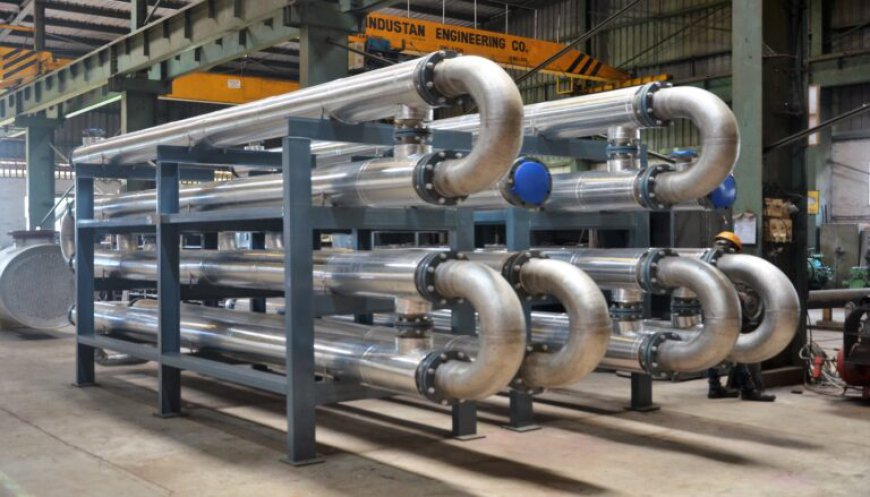
At its simplest, a double pipe setup is exactly what it sounds like: one pipe inside another, with two fluids exchanging heat across that wall. No bundles. No plates. No complicated internals.
But don’t mistake simple for limited.
Because when you’re dealing with smaller flow rates, high pressures, or tricky temperature approaches, this type of heat exchanger can outperform more complex designs just by being predictable.
Where They Actually Make Sense
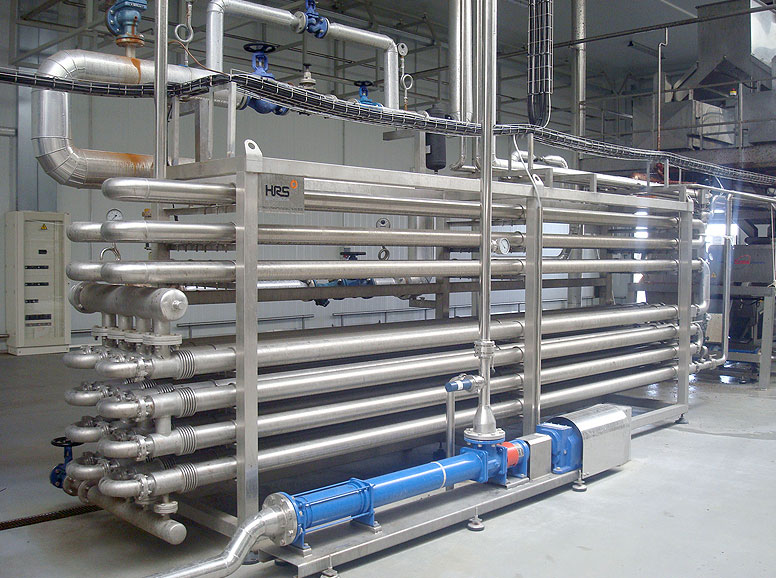
Look, you’re not installing these for massive throughput. That’s what shell and tube heat exchangers are for. But when you’ve got a sidestream, a trim cooler, or a process loop that needs tight control, double pipe units fit.
You’ll see them in lube oil cooling, chemical dosing systems, and pilot-scale operations. And they show up in places where maintenance teams don’t want surprises.
Performance Isn’t the Problem—Sizing Is
Here’s the part that trips people up.
Double pipe exchangers can deliver solid thermal performance, but only if they’re sized correctly. Undersize it, and you’re chasing temperature targets forever. Oversize it, and you’ve wasted footprint and budget.
That balance matters more than people expect.
Counterflow—The Quiet Advantage
Most of these units run in counterflow, meaning the two fluids move in opposite directions. It’s not flashy, but it’s efficient.
That setup lets you get closer temperature approaches than parallel flow designs. In some cases, you’ll see outlet temperatures that surprise you—in a good way.
And that’s one of the reasons engineers keep specifying them.
Maintenance—Simple, But Not Always Easy
You’d think something this straightforward would be easy to maintain. Sometimes it is. Sometimes it isn’t.
Straight runs are easy enough to clean or replace. But when these systems are built into tighter pipe racks or configured in multi-pass arrangements, access can get tricky fast (and no, that’s not something you want to figure out after the unit ships).
Still, compared to more complex exchangers, there’s less to go wrong internally.

Inventory vs Custom Builds—Where Time Gets Lost
Here’s something most distributors won’t say out loud: even simple equipment can turn into a delay if it’s not sitting on a shelf somewhere.
Double pipe systems often require specific lengths, materials, and pressure ratings. If you’re waiting on fabrication, your timeline stretches. That’s where Kinetic Engineering Corporation’s stocking model changes things.
They’ve been operating out of Houston since 1969, keeping inventory that aligns with real plant demand—not theoretical demand.
Why Longevity Actually Matters Here
There’s a reason Kinetic’s still around after more than five decades in the Houston industrial equipment space.
They’ve seen every variation of process conditions the Gulf Coast can throw at equipment. High sulfur streams, temperature swings, fouling services—you name it. That experience shows up in how they help you select equipment, not just sell it.
And that’s a bigger deal than most people think.
Mid-Project Realizations You Want to Avoid
Let’s say you’re halfway through a project and realize your heat exchanger isn’t going to hit performance targets. Happens more often than it should.
So here’s the question: are you designing for ideal conditions, or for what actually happens during operation?
Because those aren’t the same thing. Not in refining. Not in petrochemical plants.
How Double Pipe Fits into the Bigger System
You’re rarely using these units in isolation.
They’re part of a larger process—maybe upstream of fired process heaters Houston plants rely on, or working alongside plate and frame heat exchangers where higher capacity is needed. Sometimes they’re tied into air cooled heat exchangers for final temperature control.
The point is, they fill a niche. A useful one.
When Fast Availability Becomes the Only Thing That Matters
Plant’s down. Production’s stopped. Nobody’s talking about design theory anymore.
You need a replacement. Now.
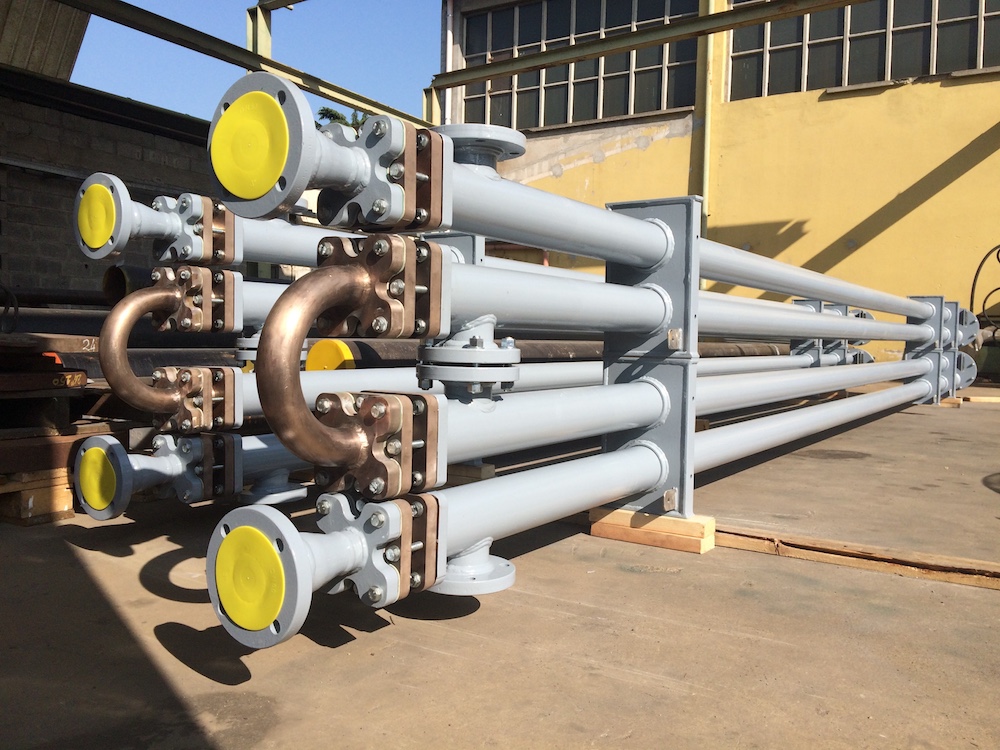
That’s where a Houston-based heat exchanger distributor with real inventory makes all the difference. Kinetic’s ability to pull units or components quickly—without waiting on long fabrication cycles—keeps operations moving when time isn’t on your side.
Why This Design Isn’t Going Anywhere
For all the newer technologies out there, the double pipe heat exchanger still holds its ground.
It’s reliable. It’s predictable. And when applied correctly, it just works.
That’s enough.
Work With People Who Know When Simple Is Better
If you’re evaluating a double pipe heat exchanger—or trying to replace one that didn’t quite meet expectations—Kinetic Engineering Corporation is where you start. They’ve been supplying process equipment Houston plants depend on since 1969, with inventory depth and application knowledge that comes from decades in the field.
Reach out when you want it done right, without the usual back-and-forth.
FAQ
When should I choose a double pipe heat exchanger over shell and tube?
When your flow rates are lower, pressures are higher, or you need tighter temperature control in a smaller system, double pipe often makes more sense.
Are double pipe exchangers good for high-pressure applications?
Yes, they’re actually well-suited for high-pressure service because of their simple, contained design.
How quickly can I get a replacement unit?
If your supplier stocks them—or components for quick assembly—you can get one much faster than waiting on a full custom build.
Do they require frequent maintenance?
Not usually. But access and cleaning depend heavily on how the unit is installed and configured in your system.