Essential Factors When Buying Refurbished Medical Equipment for Clinics and Hospitals
MAG Medical Equipment team has worked together for years. We are a family filled with members from all walks of life. We may bring different skill sets to the company, but our number one goal is still the same customer satisfaction.
 john0001
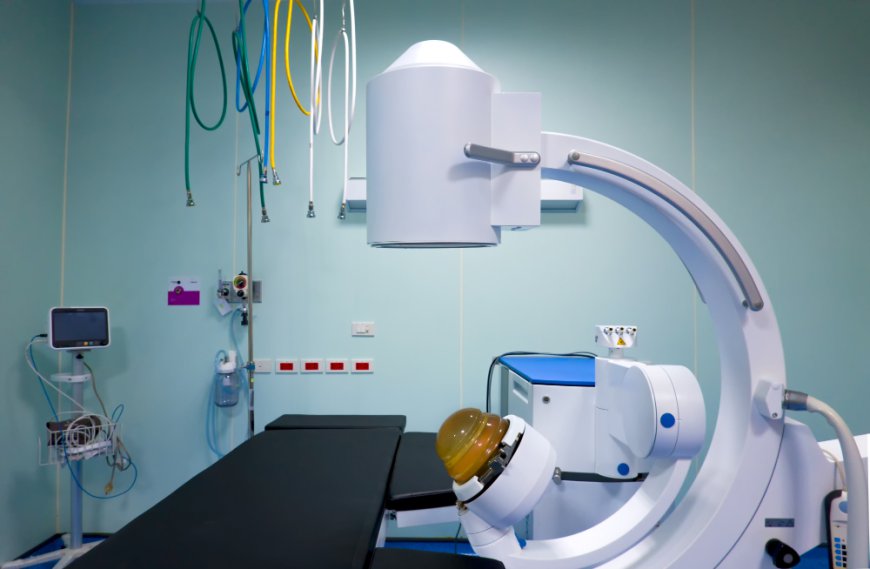
Medical equipment plays a vital role in delivering quality healthcare services. From diagnostic devices and patient monitoring systems to examination tables and imaging equipment, healthcare facilities depend on reliable tools to provide accurate diagnoses and effective treatments. However, purchasing brand-new medical equipment can be a significant financial burden, especially for growing clinics, private practices, and hospitals working within budget constraints.
Refurbished medical equipment offers an affordable alternative without compromising functionality when purchased from reputable sources. Many healthcare organizations turn to refurbished equipment to expand services, replace aging devices, or equip new facilities while managing costs effectively. In areas where healthcare providers frequently seek medical supplies boise, refurbished equipment has become an increasingly popular option due to its cost savings and availability.
Before making a purchase, healthcare professionals should understand the essential factors that determine whether refurbished equipment is a worthwhile investment. Careful evaluation helps ensure safety, reliability, and long-term value.
Understand Your Facility's Needs
Before shopping for refurbished medical equipment, it is important to clearly define your facility's requirements.
Consider questions such as:
- What services does your clinic or hospital provide?
- What equipment is necessary for patient care?
- How often will the equipment be used?
- Are you planning to expand services in the future?
A clear understanding of your operational needs helps narrow your search and prevents unnecessary purchases. Healthcare providers searching for medical supplies boise often find that careful planning leads to better purchasing decisions and greater long-term satisfaction.
Purchase from Reputable Suppliers
The quality of refurbished medical equipment depends heavily on the supplier.
Reliable vendors thoroughly inspect, repair, test, clean, and calibrate equipment before offering it for sale. They also provide documentation regarding the refurbishment process and equipment history.
When evaluating suppliers, consider:
Industry Experience
Suppliers with years of experience typically have established quality-control processes and a better understanding of healthcare regulations.
Customer Reviews
Reviews and testimonials can provide valuable insight into customer satisfaction and equipment reliability.
Technical Support
A reputable supplier should offer technical assistance and guidance before and after the purchase.
Healthcare facilities sourcing medical supplies boise should prioritize suppliers that maintain transparent business practices and strong customer support.
Verify Equipment History
Understanding the history of refurbished equipment helps reduce the risk of unexpected problems.
Ask suppliers for information regarding:
- Original manufacturer
- Year of manufacture
- Previous ownership
- Service records
- Maintenance history
- Repairs and upgrades
Equipment with documented maintenance records is often a safer investment because it demonstrates consistent care throughout its lifecycle.
Comprehensive documentation is especially important when purchasing high-value diagnostic and imaging equipment.
Inspect the Physical Condition
Although refurbished equipment has been restored, buyers should still carefully inspect its physical condition.
Look for signs of:
- Excessive wear
- Cracks or dents
- Corrosion
- Missing components
- Damaged screens or displays
While cosmetic imperfections may not affect performance, significant damage could indicate poor maintenance or improper handling.
When purchasing through medical supplies boise providers, request detailed photographs or conduct an in-person inspection whenever possible.
Confirm Proper Refurbishment Procedures
Not all refurbishment processes are equal. Some suppliers perform only basic cleaning, while others complete comprehensive restoration procedures.
A professional refurbishment process typically includes:
Thorough Inspection
Technicians examine all components for wear, damage, and functionality.
Replacement of Worn Parts
Damaged or aging components are replaced with quality parts.
Calibration
Medical devices must provide accurate readings and measurements to support patient care.
Performance Testing
Equipment should undergo rigorous testing to verify reliability and safety.
Understanding the refurbishment process helps ensure that equipment meets clinical standards and operational expectations.
Ensure Regulatory Compliance
Healthcare facilities must comply with industry regulations and safety standards.
Before purchasing refurbished equipment, verify that it meets applicable requirements, including:
- Manufacturer specifications
- Safety regulations
- Performance standards
- Inspection requirements
Suppliers should provide documentation confirming compliance and certification where applicable.
Facilities seeking medical supplies boise should never overlook regulatory requirements, as non-compliant equipment may expose organizations to legal risks and compromise patient safety.
Evaluate Warranty Coverage
One of the biggest advantages of purchasing from reputable suppliers is access to warranty protection.
A warranty can help protect your investment by covering:
- Mechanical failures
- Electrical malfunctions
- Defective components
- Unexpected performance issues
Warranty periods vary depending on the equipment type and supplier.
Although longer warranties may increase upfront costs slightly, they often reduce long-term financial risks and provide peace of mind for healthcare administrators.
Check Availability of Replacement Parts
Medical equipment requires ongoing maintenance throughout its lifespan.
Before purchasing refurbished equipment, determine whether replacement parts remain readily available.
Questions to ask include:
- Is the equipment model still supported by the manufacturer?
- Are replacement parts easy to obtain?
- Are qualified technicians available to service the equipment?
Choosing equipment with accessible parts and service support helps minimize downtime and extends operational life.
Healthcare providers purchasing medical supplies boise should prioritize models with strong manufacturer support and established service networks.
Consider Total Cost of Ownership
The purchase price alone does not determine the true value of medical equipment.
Consider the total cost of ownership, including:
- Installation expenses
- Training requirements
- Preventive maintenance
- Calibration services
- Repair costs
- Energy consumption
A lower-priced device may become more expensive over time if maintenance requirements are excessive or repairs are frequent.
Evaluating long-term costs helps healthcare organizations make financially responsible decisions while maintaining high standards of patient care.
Assess Technology Compatibility
Modern healthcare environments often rely on integrated systems and digital workflows.
Before purchasing refurbished equipment, confirm compatibility with:
- Electronic health record systems
- Imaging software
- Network infrastructure
- Data management platforms
Compatible equipment improves efficiency, supports seamless communication, and enhances patient care processes.
Facilities upgrading through medical supplies boise vendors should ensure that refurbished devices integrate smoothly with existing technologies.
Prioritize Patient Safety
Patient safety should always be the highest priority when purchasing medical equipment.
Reliable refurbished equipment must:
- Operate accurately
- Deliver consistent performance
- Meet safety standards
- Undergo proper calibration
- Include functioning safety features
Healthcare professionals should thoroughly evaluate equipment before placing it into clinical use.
Investing in quality refurbished devices helps maintain trust, improve outcomes, and support high-quality care delivery.
Plan for Future Growth
Healthcare facilities evolve over time, often requiring additional equipment and expanded capabilities.
When evaluating refurbished equipment, consider future growth plans such as:
- Increased patient volume
- New specialties
- Additional treatment options
- Facility expansion
Selecting scalable equipment solutions can reduce future replacement costs and support long-term organizational success.
A strategic purchasing approach allows clinics and hospitals to maximize their investment while preparing for future demands.
Conclusion
Refurbished medical equipment offers clinics and hospitals an effective way to acquire high-quality technology while controlling costs. However, making a successful purchase requires careful evaluation of equipment condition, refurbishment quality, supplier reputation, regulatory compliance, and long-term support.
Healthcare providers searching for medical supplies boise can benefit significantly from partnering with trusted suppliers that offer transparent refurbishment processes, warranties, and ongoing technical assistance. By focusing on reliability, safety, compatibility, and total value, healthcare organizations can confidently invest in refurbished equipment that supports exceptional patient care and sustainable growth.
With proper research and informed decision-making, refurbished medical equipment can provide years of dependable service while helping clinics and hospitals maximize their budgets and operational efficiency.