Could Your Daily Fatigue Be a Warning Sign? The Hidden Link Between Energy Loss and High Blood Pressure Symptoms in Women
Discover how persistent fatigue may be one of the overlooked high blood pressure symptoms in women. Learn warning signs, risk factors, prevention tips, and when to seek medical advice.
 khushii
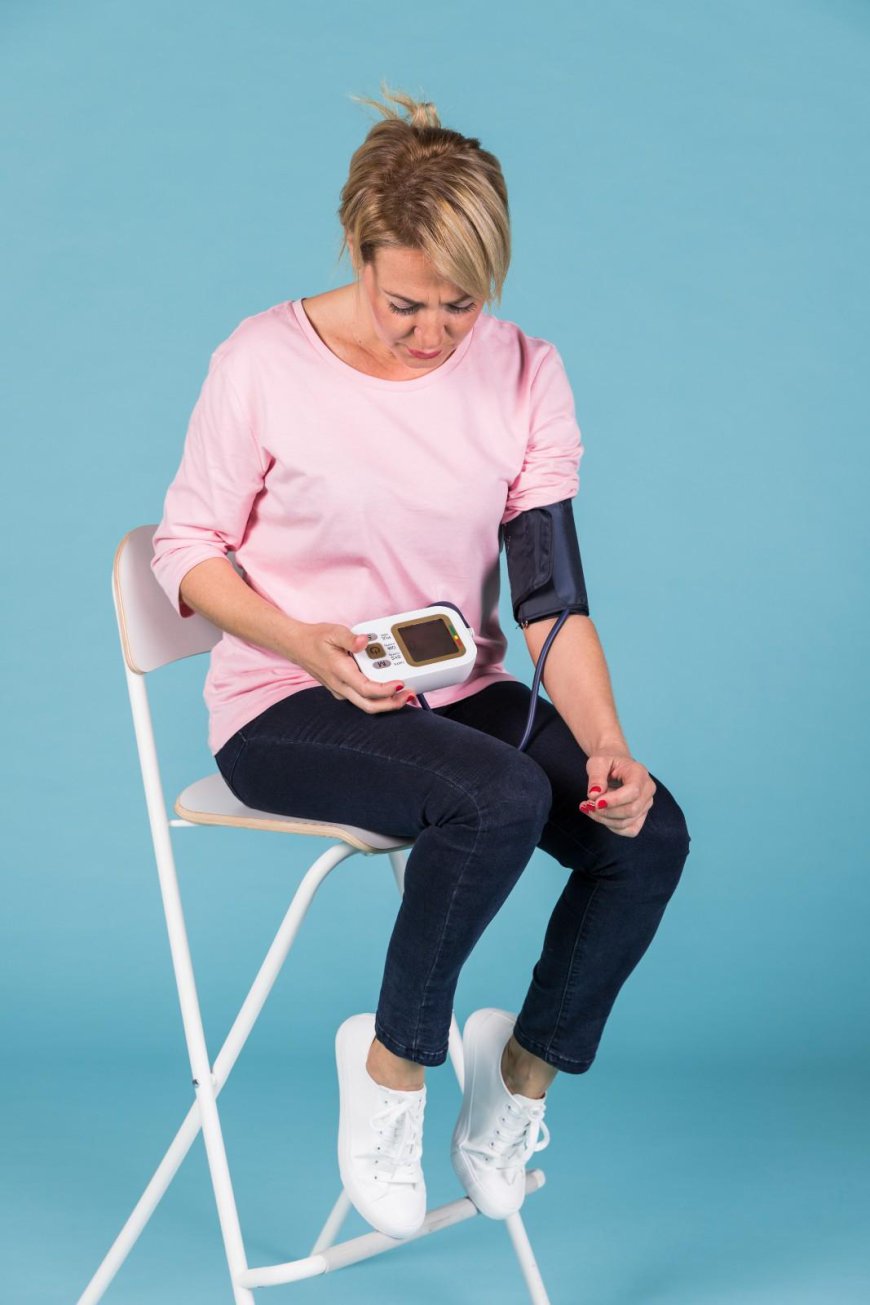
Many women blame their constant exhaustion on busy schedules, lack of sleep, stress, or aging. While these factors can certainly contribute to tiredness, persistent fatigue may sometimes point to a deeper health concern that often goes unnoticed—high blood pressure.
Most people associate hypertension with heart disease or stroke, but few realize that long-term elevated blood pressure can also affect energy levels. In many cases, women spend months or even years feeling drained without recognizing that their cardiovascular health may be contributing to the problem.
Understanding the connection between fatigue and high blood pressure symptoms in women can help identify warning signs earlier and encourage healthier lifestyle choices before complications develop.
Why Fatigue Is Often Ignored
Fatigue is one of the most common health complaints among women. Because it is so widespread, it is also one of the most frequently dismissed symptoms.
Women often attribute tiredness to:
Busy work schedules
Family responsibilities
Poor sleep habits
Emotional stress
Hormonal fluctuations
Nutritional deficiencies
While these explanations are often valid, chronic fatigue that continues despite adequate rest deserves closer attention.
Unlike dramatic symptoms that demand immediate action, fatigue develops gradually and can become part of daily life. This makes it one of the most overlooked high blood pressure symptoms in women.
The Science Behind Energy Loss and Blood Pressure
To understand why hypertension may affect energy levels, it helps to understand how blood circulates throughout the body.
The heart continuously pumps oxygen-rich blood to muscles, organs, and tissues. When blood pressure remains elevated for long periods, blood vessels can become less flexible and circulation becomes less efficient.
As a result:
The heart must work harder
Oxygen delivery may become less efficient
Physical endurance may decrease
Mental focus may suffer
The body may require more energy to perform routine functions
Over time, this increased cardiovascular workload can contribute to feelings of exhaustion.
How High Blood Pressure Affects the Heart
One reason fatigue can occur is that hypertension forces the heart to work harder than normal.
When blood pressure remains elevated:
The heart muscle becomes strained
The heart uses more energy
Circulation efficiency may decline
Physical activities may feel more demanding
Women may notice that tasks they once completed easily now leave them feeling tired.
These subtle changes may be among the earliest high blood pressure symptoms in women, even before more recognizable signs appear.
The Connection Between Hypertension and Poor Sleep
Many women with hypertension also experience sleep-related problems.
Sleep plays a critical role in regulating:
Blood pressure
Hormone balance
Heart health
Energy production
Mental clarity
Poor sleep quality can contribute to elevated blood pressure, while hypertension may worsen sleep disturbances.
This creates a cycle where:
Poor sleep raises blood pressure
Higher blood pressure reduces sleep quality
Fatigue increases during the day
Energy levels continue to decline
Understanding this relationship helps explain why fatigue can persist even after spending enough hours in bed.
Fatigue vs Normal Tiredness: What's the Difference?
Not all fatigue is the same.
Normal Tiredness
Occurs after physical or mental exertion
Improves with rest
Does not interfere significantly with daily life
Has an identifiable cause
Hypertension-Related Fatigue
Persists despite adequate rest
Occurs regularly
May be accompanied by headaches or dizziness
Can affect concentration and productivity
Gradually worsens over time
Women who experience these patterns should pay attention to potential high blood pressure symptoms in women.
Conditions Commonly Confused With Hypertension Fatigue
Because fatigue has many possible causes, it can be difficult to determine the underlying reason.
Iron Deficiency
Low iron levels often cause weakness and tiredness.
Thyroid Disorders
An underactive thyroid can slow metabolism and reduce energy.
Chronic Stress
Long-term stress affects sleep, hormones, and overall well-being.
Sleep Disorders
Conditions that interrupt sleep can significantly impact energy levels.
Dehydration
Insufficient fluid intake can cause fatigue and dizziness.
Because symptoms overlap, regular blood pressure monitoring is essential when evaluating persistent exhaustion.
Other Signs That May Accompany Fatigue
While fatigue may be the primary concern, some women experience additional symptoms.
These may include:
Morning headaches
Blurred vision
Lightheadedness
Difficulty concentrating
Heart palpitations
Shortness of breath
Reduced exercise tolerance
When fatigue appears alongside these high blood pressure symptoms in women, a blood pressure evaluation becomes especially important.
How Lifestyle Habits Influence Energy and Blood Pressure
Many lifestyle factors affect both blood pressure and energy levels.
Nutrition
A diet rich in fruits, vegetables, whole grains, and lean proteins supports cardiovascular health.
Physical Activity
Regular movement improves circulation and energy production.
Hydration
Adequate water intake helps maintain healthy blood flow.
Stress Management
Reducing stress supports both blood pressure regulation and mental well-being.
Sleep Quality
Consistent sleep habits are essential for heart health and energy restoration.
Improving these areas often benefits women experiencing high blood pressure symptoms in women.
A Simple Fatigue Self-Assessment Checklist
Ask yourself the following questions:
Do I wake up feeling tired most mornings?
Has my energy level declined over the past few months?
Do I experience headaches along with fatigue?
Do simple activities feel more exhausting than they used to?
Do I often feel mentally drained or unable to focus?
Have I checked my blood pressure recently?
If you answered yes to several of these questions, monitoring your blood pressure may be worthwhile.
Preventing Hypertension Before It Affects Daily Life
Prevention remains one of the most effective strategies for maintaining health.
Women can reduce their risk by:
Maintaining a healthy weight
Eating nutrient-dense foods
Limiting excess sodium
Exercising regularly
Managing stress effectively
Getting routine health screenings
Checking blood pressure regularly
These habits support long-term cardiovascular health and help minimize high blood pressure symptoms in women.
Conclusion
Fatigue is often dismissed as a normal part of modern life, but persistent exhaustion should never be ignored. While many factors can contribute to low energy levels, hypertension is one possibility that deserves attention.
Understanding the relationship between fatigue and high blood pressure symptoms in women provides valuable insight into how the body responds to cardiovascular strain. By recognizing patterns, monitoring blood pressure regularly, and adopting healthy lifestyle habits, women can take proactive steps to protect both their energy levels and their long-term health.
FAQs
Can high blood pressure cause fatigue even if I feel otherwise healthy?
Yes. Some women experience ongoing fatigue as one of the earliest signs of cardiovascular strain despite feeling healthy in other areas.
Why do I feel exhausted after simple activities?
Reduced cardiovascular efficiency can sometimes make routine activities feel more demanding than usual.
Can lowering blood pressure improve energy levels?
Healthy blood pressure management may improve circulation, physical endurance, and overall well-being.
Is fatigue more common in women with uncontrolled hypertension?
Persistent fatigue can occur more frequently when blood pressure remains elevated over long periods.
Should I check my blood pressure if fatigue is my only symptom?
Yes. Since hypertension often develops silently, regular monitoring is recommended even when fatigue is the only concern.