How an Art Class for Kids Supports Academic and Creative Growth
 julialubey
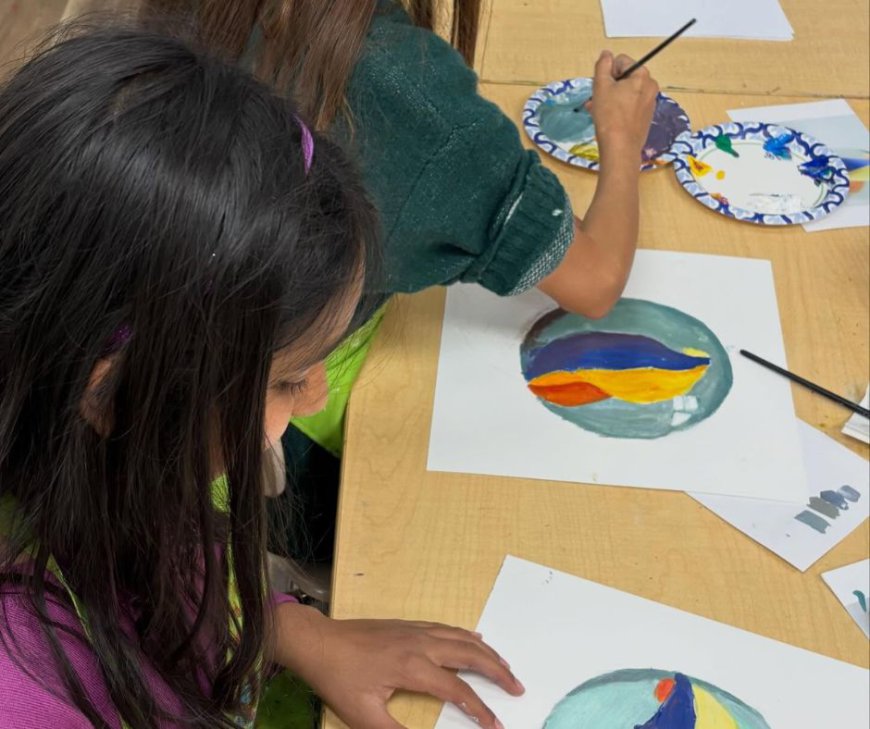
Starting out simple here, an art class for kids is not just about paints and crayons, even though that’s what most people think. It’s more like a space where kids mess around with ideas, make mistakes, fix them, and somehow learn without even realizing it. You don’t always see the “learning” part happening, but it’s there, quietly building up behind the scenes. And yeah, sometimes it’s a little messy, but that’s kind of the point.
How an art class for kids builds focus and attention span
When kids sit down in an art class for kids, something interesting happens. They slow down a bit. Not always at first, but over time. They start paying attention to small things like shapes, colors, edges, and tiny details they usually ignore. It’s not forced discipline, more like natural focus creeping in. Teachers guide them, sure, but kids also figure things out on their own. That balance matters. And honestly, in today’s world full of screens and distractions, this kind of focus is rare.
Creative thinking that spills into school subjects
People sometimes underestimate how drawing or painting connects to academics. But it does. A lot. Kids who regularly attend an art class for kids tend to approach problems differently. In math, they might visualize steps instead of memorizing. In writing, they describe things with more detail. It’s not magic, it’s just the brain learning to connect ideas in new ways. Creativity doesn’t stay in the art room; it leaks into everything else, whether teachers notice it or not.
Emotional expression and confidence building
This part is big, maybe even bigger than grades. Kids don’t always have the words to explain what they feel, but art gives them another way out. In art classes for kids, a child might draw frustration, joy, and confusion, all mixed together on paper. And once they see it, they understand themselves a bit better. That builds confidence. Not the loud kind, but the steady kind where a kid thinks, “yeah, I can do this.” It sticks longer than you’d expect.
Problem-solving skills without the pressure
In school, problem-solving often comes with pressure—right answer, wrong answer, time ticking. But in an art class for kids, it’s different. There isn’t always one correct outcome. A painting can go ten different directions and still be “right.” That freedom teaches kids how to handle uncertainty. They try something, it fails, they adjust. Simple cycle, but powerful. And over time, they stop fearing mistakes so much, which honestly helps them everywhere else too.
Social skills and quiet teamwork moments
People don’t always think of art as social, but it is. Kids share supplies, look at each other’s work, and sometimes even copy a bit before finding their own style. In a good art class for kids, there’s conversation happening naturally. Not forced group work, just organic interaction. They learn patience too, waiting for paint to dry or taking turns with materials. Small things, but they matter. It’s not loud teamwork, it’s quieter, more real.
How creativity supports long-term academic growth
Over time, something shifts. Kids who stay engaged in creative spaces often become better at adapting to academic challenges. They don’t freeze as easily when things get hard. An art class for kids trains the brain to explore instead of panic. That’s useful in exams, projects, and even everyday school stress. It’s not about turning every kid into an artist. It’s more about giving them mental flexibility, which schools don’t always teach directly.
Why local programs matter more than people think
Access plays a role, too. When kids have nearby creative spaces, they’re more likely to stick with them. Communities that support creativity tend to see kids doing better overall, not just in art. In places offering art classes san jose, for example, parents often notice how quickly children open up once they join. It’s not about the city itself, but about consistent exposure to structured creativity. That regularity builds habits, and habits shape learning more than people realize.
The quiet impact on discipline and routine
Here’s something not talked about enough. Showing up to class, finishing a drawing, cleaning up after—these small routines build discipline. No lectures needed. Kids in an art class for kids start understanding responsibility in a very natural way. Not forced. Just repeated actions over time. It feels small day to day, but after months, you can see the difference in how they approach schoolwork and even home tasks.
Conclusion: why art learning sticks longer than expected
At the end of the day, the value of an art class for kids isn’t just in the artwork they bring home. It’s in how they think, how they handle mistakes, how they express things they can’t say out loud. It builds both academic strength and creative freedom at the same time, which is a rare combination. And honestly, once kids get into it, it tends to stay with them longer than most people expect, quietly shaping how they see the world.