How Extended Mags for Glock 19 Can Improve Range Sessions
 julialubey
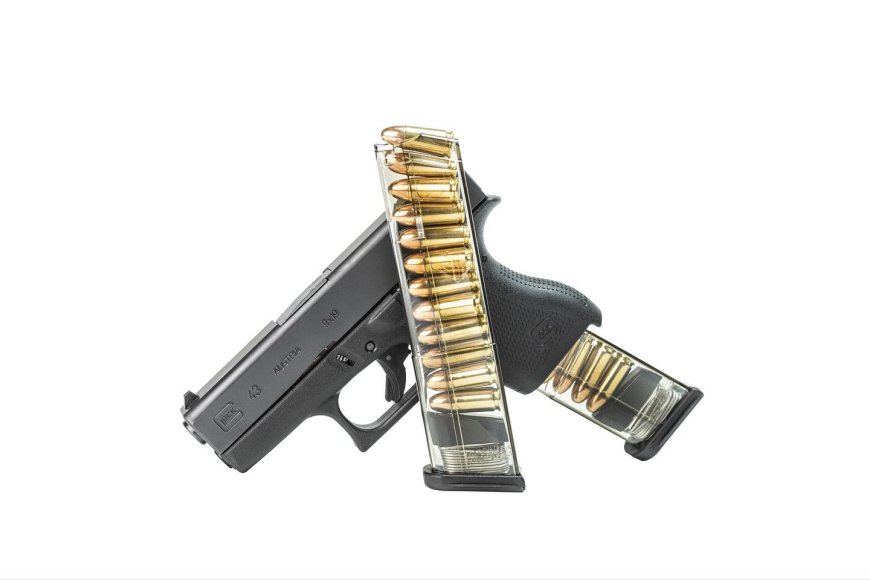
A lot of people head to the range thinking accuracy is all about the shooter, and yeah, that’s mostly true… but gear changes things more than folks admit. One upgrade that keeps coming up in conversations is extended mags for glock 19, especially when you’re trying to get more consistent practice time without constant reload breaks. It’s not some magic trick or anything, but it does change the rhythm of a range session in a real way. Fewer interruptions, more reps, more time actually focusing on trigger control instead of fumbling with magazines. Simple as that.
Why Extended Mags for Glock 19 Change the Flow of Practice
When you’re running standard mags, you’re basically stopping every few rounds. Load, shoot, repeat. It breaks your concentration more than you realize. With extended mags for glock 19, you get longer strings of fire, which helps you settle into a rhythm. And rhythm matters when you’re trying to tighten groups or fix bad habits.
It’s not just about capacity either. There’s a psychological thing happening. When you know you’ve got more rounds ready, you stop rushing. You slow down a bit. You actually focus on the shot instead of the reload coming up in your head every 10 seconds. That alone can clean up sloppy shooting sessions.
Reload Drills Become Less Annoying and More Useful
Reloading drills are important, no doubt. But when every drill turns into just reloading practice, it gets old fast. Extended mags stretch the time between reloads so you can actually work on transitions, target acquisition, or follow-up shots.
What I’ve noticed is that people stop treating reloads like the main event. Instead, they become part of the flow. You still practice them, but they’re not hijacking the entire session. That balance is what makes range time feel more productive instead of repetitive and kind of frustrating.
Building Muscle Memory Without Constant Interruptions
This is where things start to matter more than people expect. Muscle memory doesn’t build well when you’re constantly stopping and resetting. With extended mags, you get longer uninterrupted cycles. That repetition helps your grip, stance, and trigger control settle in.
You’ll notice it after a few sessions. Your hands stop “thinking” so much. Everything just starts happening more smoothly. Not perfect, not robotic, just more natural. And honestly, that’s what most shooters are chasing anyway.
Smoother Training Sessions for Defensive Practice
If you’re running defensive-style drills, stopping every few shots doesn’t really simulate anything realistic. Extended magazines let you run scenarios longer without breaking immersion. You can work movement, cover usage, and multiple target transitions without constantly pausing to reload.
It also helps you see your mistakes in real time instead of resetting after every small string. Sometimes that’s uncomfortable, but it’s useful. You see what’s actually happening with your shooting under pressure, not just in tiny fragments.
Gear Balance, Weight, and Even Optics for Guns
Now here’s something people don’t always think about until they try it: balance. Adding capacity changes the feel of the pistol. It can shift weight slightly, and that affects how the gun returns on target after recoil. Some shooters like it, some don’t, but you notice it immediately either way.
And when you start pairing setups with optics for guns, the whole dynamic shifts again. A red dot changes how you track targets, and combined with extended mags, it creates a smoother training flow overall. You’re not hunting for sights the same way, and you’re not breaking your focus as often. Everything just stays more continuous. It’s not about making things “easier,” it’s about reducing friction so you can actually train instead of constantly resetting your brain.
Practical Range Efficiency and Real-World Carry Thoughts
There’s also the practical side people argue about. More rounds in a mag means fewer reloads in training, but it’s not just about convenience. It’s about efficiency. You get more reps per minute, more learning per session. That adds up over time.
Still, it’s worth saying straight—what you train with isn’t always what you carry. Some people keep extended mags strictly for the range. Others don’t bother separating them. It depends on mindset, discipline, and honestly, comfort level. No right answer, just trade-offs.
Small Adjustments That Make a Big Difference Over Time
People love looking for big upgrades, flashy changes, new gear that promises improvement overnight. But most progress in shooting comes from boring consistency. Extended magazines don’t fix your shooting; they just remove some of the interruptions that slow you down.
If you’re putting in regular range time, you’ll feel the difference. More focus, less downtime, smoother drills. Not dramatic, but noticeable. And that’s usually how real improvement shows up anyway… quietly, session after session.
Conclusion: Making Range Time Actually Count
At the end of the day, training is about repetition, focus, and staying in the zone long enough to build skill. Extended mags for Glock 19 don’t change fundamentals, but they do make it easier to stay locked in longer without constant breaks pulling you out of the flow.
If you’re serious about improving, anything that reduces wasted time at the range is worth thinking about. Not because it’s flashy, but because it keeps you doing the actual work—shooting, correcting, repeating. And that’s where progress really happens, not in theory, but round after round downrange.