How Do Experts Evaluate The Purity Of Silver Items?
Silver purity evaluation uses hallmarks, XRF, acid tests, and certification. Essential guide for buyers and collectors Includes testing methods standards
 smitjohn11
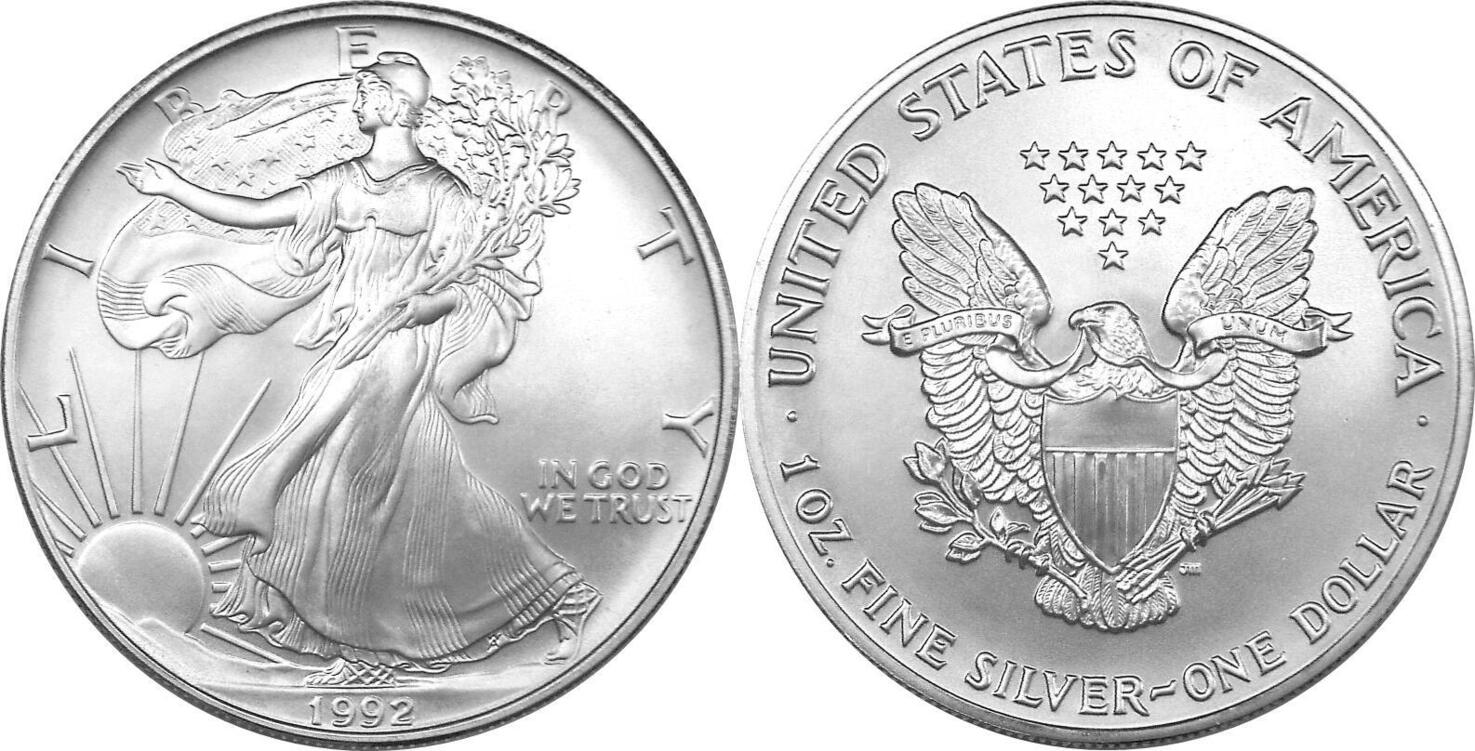
Silver purity evaluation plays a key role in determining authenticity, investment value, and market trust across bullion and jewelry sectors. Professionals rely on standardized methods to confirm whether an item is genuine or mixed with other metals. A well-known reference in bullion discussions is the 1 oz American Silver Eagle Coin 2025, often used to demonstrate high purity standards in official mint products. Accurate assessment combines scientific testing, hallmark verification, and certification systems, ensuring buyers and collectors receive transparent information about silver composition before making financial decisions.
Silver Purity Standards
Silver purity is measured using a system called fineness, which expresses the proportion of pure silver in an item. Common standards include .925 for sterling silver and .999 or .9999 for investment-grade bullion. Sterling silver contains 92.5% pure silver, mixed with other metals for durability. Higher purity levels indicate softer but more valuable metal content. These standards allow consistent comparison across global markets. Without such measurement systems, pricing silver items accurately would be difficult, leading to confusion among buyers, sellers, and collectors in both retail and investment sectors.
Importance of Silver Purity Evaluation
Evaluating silver purity ensures accurate pricing, market trust, and protection against fraud. Buyers depend on verified purity levels to understand the real value of their purchase, while sellers rely on certification to maintain credibility. Even slight differences in purity can significantly affect resale value, especially in bullion markets. Proper evaluation also helps prevent counterfeit or plated items from being sold as solid silver. In jewelry, purity influences durability and appearance, while in investment products it directly impacts liquidity and long-term asset stability.
Visual Inspection and Hallmark Verification
Experts often begin silver evaluation with visual inspection and hallmark checking. Hallmarks are small stamped marks that indicate purity level, manufacturer identity, and sometimes country of origin. Common markings include .925, .999, or mint-specific symbols that confirm authenticity. Professionals carefully examine placement, engraving quality, and consistency of these marks. While hallmarks provide useful initial information, they are not always sufficient alone due to counterfeit stamping. Therefore, experts combine hallmark verification with additional testing methods to ensure reliable identification of genuine silver items.
Acid Testing Method
Acid testing is one of the traditional methods used to determine silver purity. A small scratch is made on a testing stone, and a drop of acid is applied to observe the reaction. The color change indicates the approximate purity level of the metal. This method is widely used for quick field testing because it is relatively simple and inexpensive. However, it slightly damages the surface of the item. For this reason, it is typically reserved for lower-value items or preliminary verification before advanced testing.
X-Ray Fluorescence (XRF) Analysis
X-ray fluorescence analysis is a modern, non-destructive method used to determine silver composition. It works by scanning the item with X-rays, which causes the metal atoms to emit energy signatures. These signals are then analyzed to identify the elemental breakdown of the object. XRF testing is highly accurate and widely used in professional appraisal labs and mints. It provides immediate results without damaging the item. This method is especially valuable for high-value bullion and collectible coins, where preservation of condition is essential.
Density and Specific Gravity Testing
Density testing, also known as specific gravity testing, measures the relationship between an item’s weight and volume. Pure silver has a consistent density, so deviations from this standard may indicate alloy mixing or plating. Experts carefully measure both weight and displacement in water to calculate results. This method is reliable and non-destructive, making it suitable for a wide range of silver items. Although it requires precision, density testing remains a trusted technique for verifying authenticity when combined with other evaluation methods.
Electronic Conductivity Testing
Electronic conductivity testing measures how efficiently electricity passes through a silver item. Since silver is the most conductive metal, deviations in conductivity can signal impurities or alternative metals. Portable testing devices are commonly used in markets, pawn shops, and appraisal centers for quick verification. This method is fast and non-invasive, offering immediate feedback. However, results may vary depending on surface conditions or plating, so experts rarely rely on it alone. Instead, it is used alongside other testing methods for more accurate confirmation.
Fire Assay Method
Fire assay, also known as cupellation, is one of the most precise methods used for silver purity analysis. It involves heating the metal at extremely high temperatures to separate silver from other elements. The remaining pure metal is then weighed to determine exact purity levels. This method is considered highly accurate and is often used in laboratories and refineries. However, it is destructive and cannot be applied to finished jewelry or collectible coins. Due to its precision, it is reserved for official certification and bulk analysis.
Certification and Grading Systems
Certification plays a major role in silver evaluation by providing documented proof of authenticity and quality. Recognized grading institutions assess silver items based on purity, condition, and origin. Certified products often receive sealed packaging and official documentation, increasing trust among buyers and investors. These certifications are especially important in global trade, where verification standards vary across regions. Items with proper certification generally achieve higher resale value and easier market acceptance. This system helps maintain transparency and consistency in the precious metals industry.
Common Mistakes in Silver Evaluation
Many buyers make errors by relying solely on appearance when assessing silver purity. Plated items can closely resemble solid silver, leading to misjudgment. Another common mistake is ignoring hallmarks or assuming they cannot be falsified. Some buyers also overlook density and weight checks, which are strong indicators of authenticity. Trusting unverified sellers or incomplete product descriptions increases the risk of fraud. Proper evaluation requires multiple verification methods, as relying on a single indicator often leads to inaccurate conclusions and financial loss.
Modern Advancements in Silver Testing
Modern technology has significantly improved silver evaluation methods, making testing faster and more accurate. XRF analyzers, laser-based scanners, and spectrometry tools are now widely used in laboratories and appraisal centers. These technologies allow experts to analyze composition without damaging the item. Digital calibration systems further improve measurement consistency and reduce human error. Ultrasonic and imaging tools help detect hidden plating or structural inconsistencies. These advancements have strengthened reliability in silver assessment, especially for high-value bullion and collectible items in global markets.
Final Considerations
Silver purity evaluation requires a combination of traditional expertise and modern scientific tools. No single method provides complete accuracy, so professionals rely on multiple tests for confirmation. Hallmarks, density measurements, conductivity tests, and advanced scanning systems work together to create a reliable assessment framework. This layered approach ensures accurate identification of genuine silver items while reducing risks of misrepresentation. Strong evaluation practices support fair pricing, investor confidence, and transparency across the precious metals market, making proper testing essential for both buyers and sellers.