How Does Hydrotherapy Help Relieve Joint Pain?
Learn how hydrotherapy helps reduce joint pain, improve flexibility, ease stiffness, and support recovery with safe, natural treatment methods.
 smitjohn11
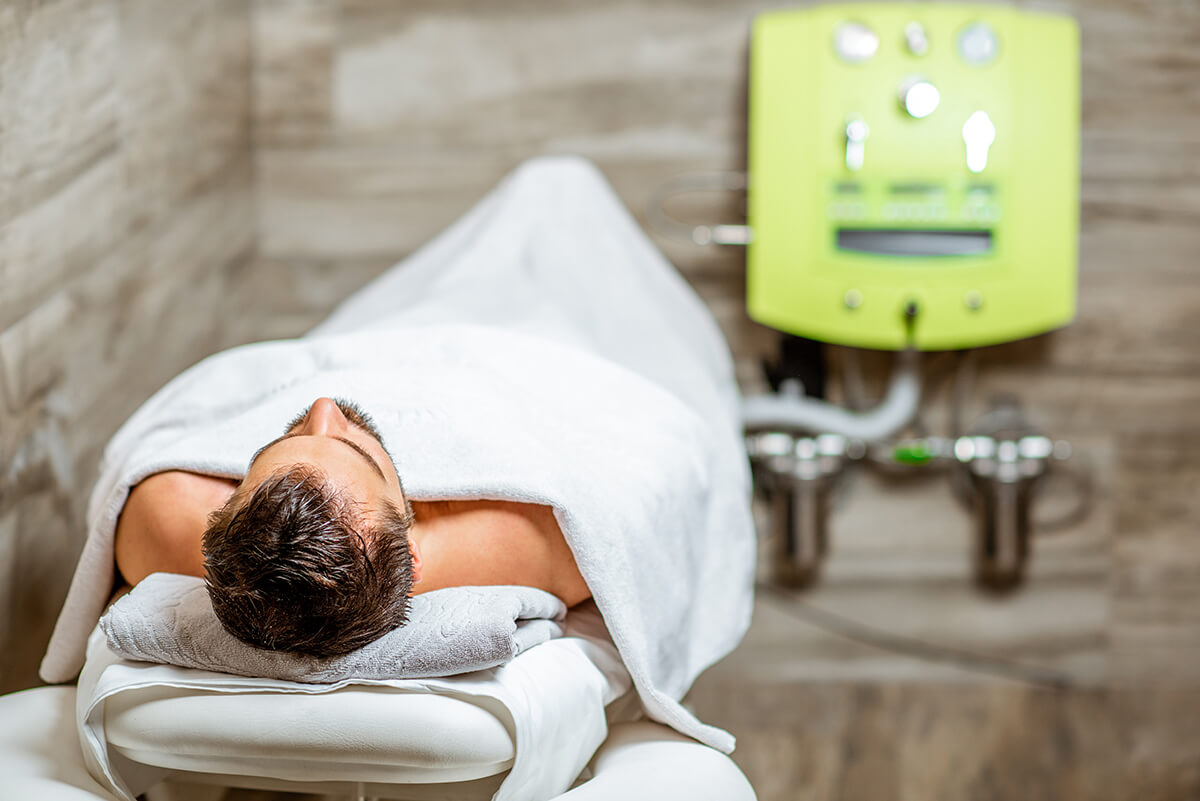
Joint pain can make everyday activities difficult and reduce overall comfort. Hydrotherapy is a natural treatment that uses water to ease discomfort, improve movement, and support recovery. Many people choose this method because it is gentle on the body and suitable for different age groups. People searching for Colon Hydrotherapy San Diego may also discover other wellness services that focus on improving overall health, including therapies designed to reduce pain and improve mobility.
What Is Hydrotherapy and How Does It Work?
Hydrotherapy is a treatment that uses warm or cool water to help reduce pain, relax muscles, and improve joint movement. Water supports body weight, making exercise easier for people with stiffness or limited mobility. Warm water increases blood circulation, helping muscles relax and reducing pressure on painful joints. Cold water may help reduce swelling after physical activity or injury. Professional hydrotherapy sessions often include guided exercises that improve strength, balance, and flexibility without placing unnecessary stress on sensitive joints.
Why Water Therapy Is Effective for Joint Pain
Water provides natural resistance while supporting the body's weight, allowing joints to move with less discomfort. Reduced pressure makes stretching and strengthening exercises easier to perform than on land. Better circulation helps deliver oxygen and nutrients to muscles and tissues that need recovery. Regular hydrotherapy sessions can gradually improve flexibility, reduce stiffness, and increase confidence in daily movement. People managing arthritis, sports injuries, or long-term joint conditions often benefit from consistent treatment under professional supervision.
Common Conditions That Benefit From Hydrotherapy
Hydrotherapy is widely used for several health conditions involving pain, stiffness, and limited movement. Osteoarthritis patients often experience easier mobility because warm water reduces joint stress. Rheumatoid arthritis sufferers may notice temporary relief from pain and muscle tension. People recovering from knee, hip, or shoulder surgery frequently use water exercises during rehabilitation. Athletes with muscle strains or joint injuries also benefit because controlled water movement supports recovery while reducing the chance of placing too much pressure on healing tissues.
Step-by-Step Guide to a Hydrotherapy Session
A typical hydrotherapy session begins with a brief assessment by a trained therapist to understand pain levels and movement limitations. Gentle warm-up exercises help the body adjust to the water temperature before guided movements begin. Stretching, balance exercises, and light resistance activities are introduced according to individual needs. Sessions usually finish with gentle relaxation exercises that allow muscles to recover gradually. Regular attendance and following professional advice help achieve the best long-term results for joint health and comfort.
Lifestyle Habits That Support Better Results
Hydrotherapy works best when combined with healthy daily habits that support joint function and overall physical well-being. Simple lifestyle improvements help maintain progress between therapy sessions and reduce unnecessary stress on painful joints. Helpful practices include:
- Maintain a healthy body weight.
- Stay physically active with low-impact exercise.
- Drink enough water every day.
- Eat a balanced diet rich in calcium and vitamin D.
- Follow medical advice and prescribed treatment plans.
- Get enough sleep for proper recovery.
Safety Tips Before Starting Hydrotherapy
Hydrotherapy is generally considered safe, but professional guidance is important before beginning any treatment program. Individuals with severe heart conditions, open wounds, infections, or certain medical concerns should consult a healthcare provider before participating. Certified therapists can recommend suitable exercises based on personal health needs and physical ability. Comfortable water temperatures, proper supervision, and gradual progression reduce the chance of discomfort or injury. Following recommended schedules also helps produce steady improvement without placing excessive strain on affected joints.
Conclusion
Hydrotherapy offers a practical and gentle approach to managing joint pain through the natural benefits of water. Reduced pressure on joints, improved circulation, increased flexibility, and guided exercises all contribute to better mobility and greater daily comfort. Consistent treatment combined with healthy lifestyle choices can help people remain active and manage discomfort more effectively. Consulting qualified healthcare professionals ensures that each therapy plan matches individual needs and supports safe, long-term improvement in joint health.