How To Master Your Successful Kilimanjaro Climbing Expedition In 2026
 blitz.maz
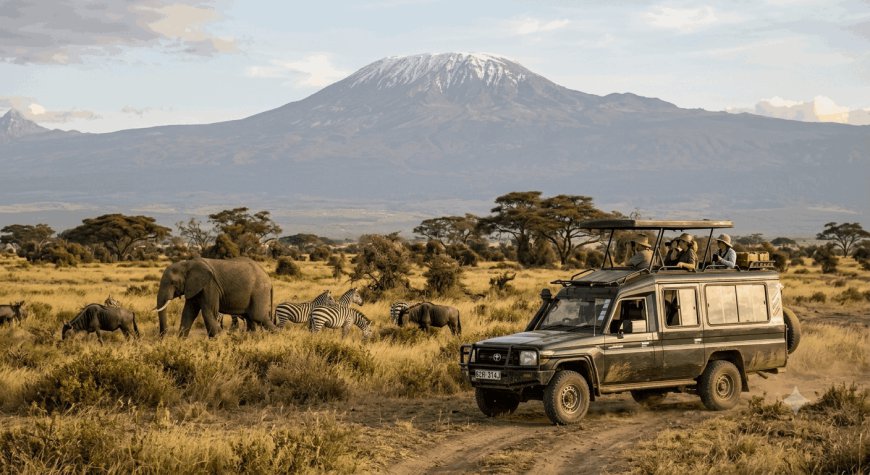
Climbing Mount Kilimanjaro represents one of the most rewarding physical and mental challenges an adventurer can undertake. Standing as the highest peak in Africa and the tallest free-standing mountain in the world, this iconic volcanic massif offers a unique journey through five distinct climatic zones. Reaching the summit at Uhuru Peak requires more than just raw ambition; it demands careful planning, disciplined physical preparation, and an unwavering commitment to safety. As you prepare for your 2026 expedition, understanding the intricacies of route selection, acclimatization strategies, and essential gear will be the foundation of your success. Whether you are a seasoned hiker or a determined novice, the experience of trekking through rainforests, moorlands, and alpine deserts to stand above the clouds remains an unmatched life achievement.
Selecting The Ideal Path To The Summit
Choosing the right route is the most critical decision you will make when planning your Kilimanjaro climbing adventure. Each trail offers a different experience in terms of scenery, difficulty, and most importantly, the time allowed for acclimatization. The Lemosho Route is widely considered the premier choice for those prioritizing safety and success, as its longer itinerary provides the body with ample time to adapt to the thin mountain air. Similarly, the Northern Circuit is perfect for trekkers who prefer a remote, quieter environment while benefiting from one of the best acclimatization profiles available. For those seeking the classic adventure, the Machame Route remains popular for its dramatic, shifting landscapes, though it requires a high level of fitness. Conversely, if you prefer a drier, northern approach, the Rongai Route is an excellent alternative, offering a steady and gradual ascent.
Building Physical And Mental Endurance
While technical mountaineering skills are not required, Kilimanjaro is physically demanding and necessitates a structured training regimen. You should aim to begin your preparation at least three to six months before your departure date. Focus on cardiovascular activities such as running, swimming, or cycling to improve your stamina, and incorporate regular incline hiking or stair climbing to condition your legs for the persistent uphill exertion. Strength training, specifically targeting your core and lower body, is equally vital for stability on uneven terrain. Beyond the physical, cultivate mental resilience through visualization and goal-setting practices. Remember that success on the mountain is often determined by your ability to maintain a positive mindset, particularly during the grueling summit night when fatigue and cold can test your resolve.
Mastering The Art Of High Altitude Acclimatization
The greatest challenge on the mountain is not the distance but the altitude. As you ascend, the oxygen levels decrease, which can lead to altitude sickness if the body is not given sufficient time to adjust. The golden rule for any Kilimanjaro climbing trip is the concept of pole pole, which means going slowly and steadily. This pace prevents overexertion and allows your physiology to acclimatize effectively. Staying hydrated is also non-negotiable; aim to drink three to four liters of water daily, even if you do not feel thirsty. If you begin to experience symptoms such as headaches or nausea, communicate these immediately to your head guide, as early intervention and professional management are the keys to staying safe and continuing your ascent toward the summit.
Preparing Essential Gear For Changing Climates
You will pass through diverse ecosystems, and your packing list must reflect this extreme variety in temperatures. Start with a foundation of high-quality, moisture-wicking base layers that keep you dry throughout the day. Invest in sturdy, waterproof hiking boots that provide excellent ankle support, and ensure you have broken them in well before your arrival in Tanzania. For the higher altitudes and the final push to Uhuru Peak, pack a sleeping bag rated for at least minus ten degrees Celsius, along with thermal mid-layers and a high-quality insulated down jacket. Trekking poles are highly recommended to provide stability on steep, loose volcanic scree, and a reliable headlamp with spare batteries is essential for the long, dark hours of summit night.
Embracing The Professional Support Of A Local Team
The success of your climb is heavily dependent on the expertise of your guides, porters, and cooks. A professional team does much more than carry your gear; they monitor your health, manage your hydration, and provide the constant encouragement needed to push through difficult sections. When selecting your operator, ensure they have a transparent safety protocol, provide regular health checks, and pay their staff fairly. Engaging with your guides about the local geography, history, and flora will significantly enrich your experience, turning a simple trek into an educational journey. Always respect the guidelines set by your lead guide, as their experience on the mountain is your best resource for navigating both the terrain and the physiological challenges of high altitude.
Fostering Sustainable And Ethical Trekking Habits
Responsible tourism is essential to preserving the beauty and ecological integrity of Kilimanjaro. As you climb, strictly follow the "Leave No Trace" principles by ensuring that all waste is properly managed and that you do not disturb the local wildlife. Support operators who actively contribute to conservation efforts and community development in the surrounding regions. By choosing to work with ethical local companies, you ensure that your presence on the mountain provides tangible benefits to the Tanzanian people and the environment. This sense of shared responsibility adds a deeper layer of meaning to your climb, knowing that your adventure contributes to the long-term sustainability of this majestic landscape.
Navigating The Final Push To Uhuru Peak
Summit night is the climax of your journey, typically beginning in the late hours of the night to reach the rim of the crater by sunrise. This is the moment where physical fitness meets sheer determination. Your guides will set a measured pace, and your primary task is to follow their lead, focus on your breathing, and take one step at a time. The sight of the sun rising over the African plains from the roof of the continent is an emotional and profound experience that rewards all the effort you have put into your training. Once you reach Uhuru Peak, celebrate your accomplishment with your team, capture the memory, and prepare for the descent, which, while easier on the lungs, requires careful attention to protect your knees and maintain your balance.
Conclusion And Your Call To Adventure
Climbing Mount Kilimanjaro is a transformative journey that tests your limits and rewards your spirit with views found nowhere else on earth. With proper preparation, a focus on gradual acclimatization, and the right support team, reaching the summit is an attainable goal for those who approach it with respect and perseverance. Your 2026 expedition can be the start of a new chapter in your life, filled with memories of golden sunrises, challenging trails, and the camaraderie of the mountain. Do not let this opportunity slip away; begin your research into the best routes, start your training program today, and book your trip to experience the adventure of a lifetime. The Roof of Africa is waiting for you, and your path to the summit begins with your first step in planning today.