Avocado Trees: Edible Landscape Plants | East Bay
Grow avocado trees in the East Bay. Evergreen Nursery's guide to site, soil, watering, varieties, and adding edible landscape plants in Oakland & San Leandro.
 nurserye835
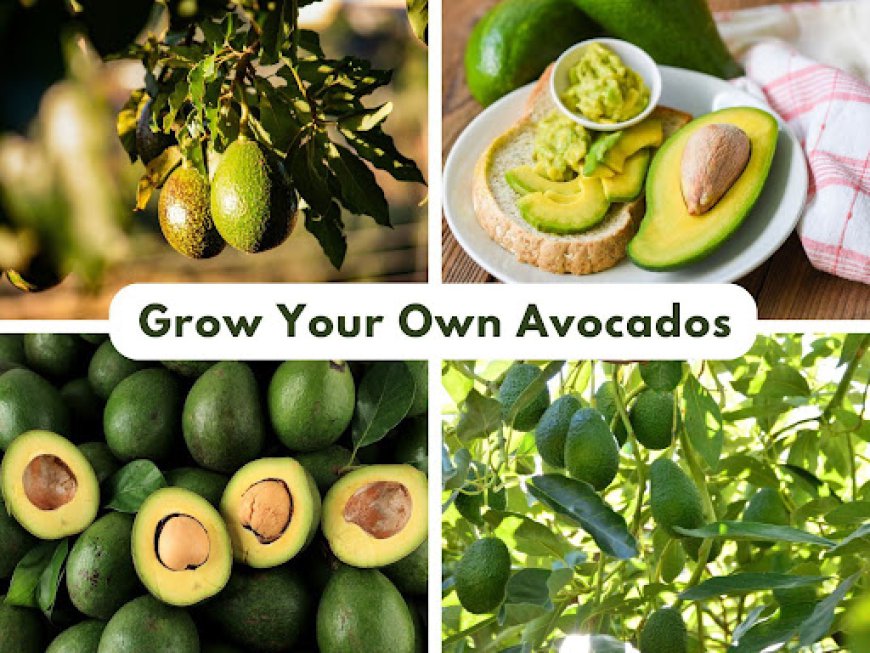
Growing Avocado Trees in the San Francisco East Bay: A Practical Guide
Yes, you can grow avocados in the East Bay. Our Mediterranean-adjacent climate, with mild winters, warm summers, and relatively low humidity, suits avocados well, especially in the warmer microclimates of Hayward, San Leandro, Castro Valley, and inland Oakland. We sit at the northern edge of reliable avocado territory in California, so variety selection and site choice matter more here than they do in San Diego or Santa Barbara. Get those two things right, and you will be harvesting from your own backyard within a few years.
Avocados as Edible Landscape Plants
An avocado tree is one of the most rewarding edible garden plants you can add to an East Bay yard. Beyond the fruit, it is a handsome evergreen that works as both a productive crop and a structural part of your landscape. If you are building a collection of edible landscape plants, an avocado pairs naturally with citrus, other fruit trees, and a vegetable and herb bed, all of which thrive in the same sunny, well-drained conditions. The care below applies to a 5-gallon tree, the size most home gardeners start with.
Choosing the Right Site
Avocados want at least 6 to 8 hours of full sun per day and protection from strong winds. The best East Bay planting spots are south- or west-facing, against a wall or fence that blocks wind and reflects heat back onto the tree. Coastal-influenced Oakland and Alameda neighborhoods run cooler and foggier than Hayward, San Leandro, or Castro Valley, so a warm, sheltered microclimate matters even more in a foggy zone.
Avocados need well-drained, loamy, slightly acidic soil. The heavy clay common across the East Bay is the persistent challenge, because it holds water and invites root rot (Phytophthora cinnamomi), the number one killer of avocado trees in California. If your soil is heavy clay, blend your native soil 50/50 with a quality draining mix like E.B. Stone Citrus & Palm, and add volcanic pumice to boost structure and aeration.
Planting Your 5-Gallon Tree
Acclimate first. Nursery trees come from protected greenhouse conditions, and dropping a new one straight into full afternoon sun can cause leaf scorch and shock. For about a week, keep it in indirect light with a few hours of morning sun on the east or north side of your house, then move it to its permanent spot.
When you plant, dig a hole about twice as wide and one and a half times as deep as the pot, and disturb the delicate roots as little as possible. Set the tree so the root crown sits about 2 inches above the soil line, then backfill with your 50/50 blend. Water deeply, then ring the area with a 3-to-4-inch layer of mulch, kept 6 inches back from the trunk and never piled against it. The mulch moderates temperature, holds moisture, and feeds the shallow surface roots that avocados depend on. In hot microclimates where afternoons top 90 degrees, paint the young trunk and main branches once with white latex paint diluted 50/50 with water, since green bark sunburns easily.
Watering
Deep and infrequent is the rule. Avocados hate sitting in wet soil but cannot go bone dry either, so aim for soil that feels like a moist sponge throughout the root zone. For established trees, once a week is a good baseline, increasing during heat spikes above 90 degrees. Newly planted trees need much closer attention through their first summer: check moisture every few days by digging a few inches down near the drip line, which beats a cheap moisture meter.
Fill a shallow basin around the planting area slowly to encourage deep roots, and avoid shallow daily sprinkles, which keep roots near the surface. Brown, crispy leaf tips usually mean salt buildup from your water, not disease, and are mostly cosmetic. For more, see our guide to caring for new fruit trees in summer.
Fertilizing
Feed in spring and fall, timed with your mulch applications, using a balanced avocado/citrus fertilizer like E.B. Stone Citrus & Fruit Tree Food at label rates. Over-fertilizing is as harmful as under-fertilizing. Organic nitrogen options include composted manure, blood meal, fish emulsion, or vermicompost. Do not work amendments into the soil around the roots; scatter fertilizer under the mulch and let watering carry it down. Young trees need very little in their first season.
Pests and Disease, Kept Organic
The most serious threat is Phytophthora root rot, a water mold driven by poor drainage and overwatering. There is no cure once it takes hold, so prevention through good drainage, slightly mounded planting, and careful watering is your only real tool. Common pests, avocado brown mite, persea mite, thrips, and scale, are all manageable organically: blast mites off with a strong jet of water, or use insecticidal soap or neem oil during the cooler parts of the day. Skip broad-spectrum pesticides, which wipe out the beneficial insects and predatory mites that keep pests in check. And do not panic if your tree drops most of its old leaves in spring before pushing new growth; that is normal semi-deciduous behavior.
Best Avocado Varieties for the East Bay
Every avocado we stock is grafted onto mature rootstock, so it fruits sooner than a seed-grown tree, though patience still helps: expect light fruit in years 2 to 4 and a real harvest around years 4 to 6. Avocado flowers are classed as Type A or Type B by their daily bloom cycle. A single tree self-pollinates reasonably well in our mild climate, but pairing a Type A and a Type B with different harvest windows gives steadier, heavier production.
• Little Cado (Wurtz): the only true dwarf, 8 to 12 feet, ideal for large containers (40-gallon minimum). Small, rich, buttery fruit. Harvest May to September. Type A.
• Holiday: semi-dwarf with a low, spreading umbrella canopy and very large 18 to 24 oz fruit. More frost-sensitive (to about 30 degrees). Harvest from January to July. Type A.
• Fuerte: classic California variety with large, elongated, creamy fruit; tends to alternate-bear and can be slow near the coast. Hardy to 26 degrees. Harvest from February to June. Type B.
• Bacon: upright, dependable heavy producer across East Bay zones; medium fruit, good frost tolerance (to 24 degrees). Harvest from January to July. Type B, and pairs well with Hass.
• Hass: the famous nutty-flavored variety, slower to establish here. Hardy to 28 degrees. Harvest from July to November. Type A; best with a Type B nearby.
• Carmen-Hass: a Hass type that sets two crops per year, with excellent flavor; reaches 25 to 30 feet. Protect below 32 degrees. Type A; benefits from a Type B pollinator.
First Two Years: What to Prioritize
A 5-gallon tree is young and tender, but with good care, it can produce meaningful harvests within 4 to 6 years. In the first two years:
• Acclimate before planting in full sun, and protect the trunk from sunburn in hot microclimates.
• Water deeply and consistently through the first warm season, checking soil moisture often.
• Drape frost cloth or a light blanket whenever temperatures approach 32 degrees during early winters.
• Pinch off flowers and small fruit the first year or two so the tree invests in roots and canopy; it pays off in better long-term yields.
Visit Evergreen Nursery in San Leandro
Evergreen Nursery has served San Leandro, Oakland, Castro Valley, San Lorenzo, Alameda, and Hayward gardeners for over 40 years. Our staff can help you match an avocado variety and the rest of your edible garden plants to your yard's conditions. Stop by our San Leandro garden center at 350 San Leandro Blvd, or call (510) 632-1522.
Read More: Growing Avocado Trees in the San Francisco East Bay: A Practical Guide
Frequently Asked Questions
Can avocado trees really grow in the East Bay?
Yes. The East Bay's mild, Mediterranean-adjacent climate suits avocados, especially in warmer microclimates like Hayward, San Leandro, Castro Valley, and inland Oakland. Because we sit at the northern edge of avocado territory, choosing the right variety and a warm, sheltered site is the key to success.
What is the best avocado variety for a small yard?
Little Cado (Wurtz) is the only true dwarf, topping out at 8 to 12 feet, and it is the best choice for small spaces or large containers. Holiday is another compact, low-spreading option if you want bigger fruit.
Do I need two avocado trees to get fruit?
Not strictly. A single tree self-pollinates reasonably well in the East Bay's mild climate. For better, more consistent production, plant one Type A and one Type B variety within range, or rely on a neighbor's tree nearby.
How long until a 5-gallon avocado tree produces fruit?
Expect light fruit in years 2 to 4 and a meaningful harvest around years 4 to 6, since our trees are grafted onto mature rootstock. Pinching off early flowers in the first year or two helps the tree establish and improves long-term yields.