How Is Eco-Friendly Printing Shaping Apparel Trends?
Eco-friendly printing shapes apparel trends using sustainable inks, DTF printing, and responsible production methods that reduce waste and attract conscious consumers.
 smitjohn11
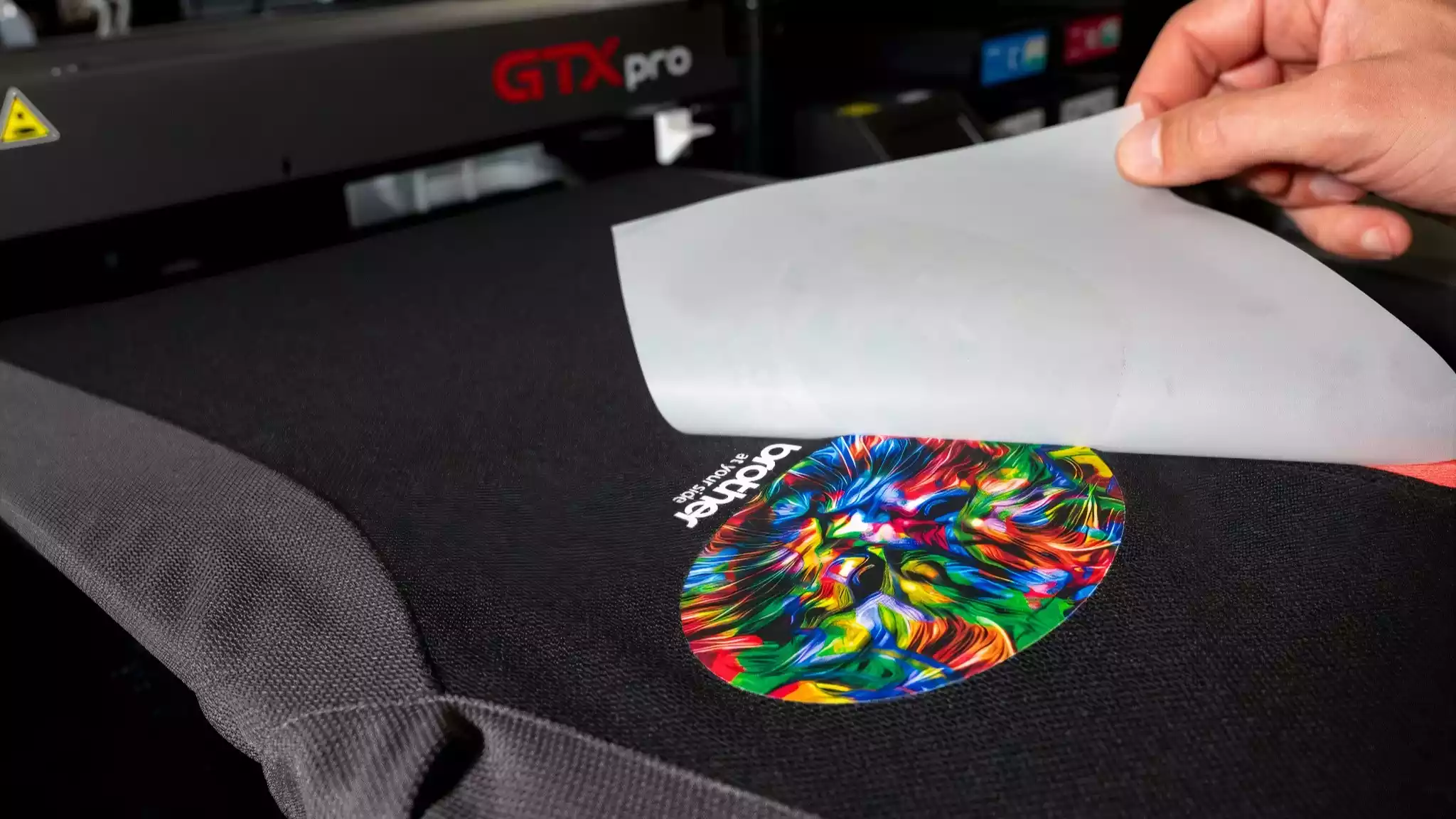
Eco-conscious practices are transforming the fashion industry, particularly in garment production and printing. Brands now prioritize reducing environmental impact by using methods that limit water usage, harmful chemicals, and material waste. DTF Printing has emerged as a versatile technique that meets both quality and sustainability standards. Modern consumers are increasingly conscious about the products they purchase and the processes behind them. Apparel companies are responding by integrating eco-friendly methods, reshaping not only production techniques but also the overall design and appeal of modern clothing, reflecting responsibility and style.
The Rise of Sustainable Printing in Fashion
Eco-friendly printing is redefining how apparel brands approach production. Traditional methods often rely heavily on water and chemical-based inks, contributing to environmental pollution. Sustainable alternatives aim to reduce these negative effects while delivering high-quality results. Brands adopt these methods to meet environmental regulations and cater to consumers seeking responsible products. This transition encourages technological innovation, with new machines and inks designed to minimize waste and energy consumption. The focus on sustainability strengthens brand reputation and aligns with global initiatives targeting reduced carbon footprints and eco-conscious manufacturing practices.
Key Benefits of Eco-Friendly Printing
Adopting eco-friendly printing methods offers multiple advantages for both businesses and the environment. Reduced water usage during production helps conserve natural resources while lowering operational costs. Carbon emissions decrease, contributing to cleaner air and a smaller environmental footprint. Non-toxic, biodegradable inks replace chemical-based dyes, reducing harm to workers and ecosystems. Precise printing minimizes fabric waste, ensuring materials are used efficiently. These benefits also enhance brand image, attracting environmentally conscious consumers and encouraging loyalty. Implementing sustainable practices positions apparel brands as forward-thinking and responsible, fostering trust and long-term customer relationships.
Popular Eco-Friendly Printing Techniques
Several printing methods now prioritize environmental responsibility without compromising design quality. Water-based inks are safe, provide soft finishes, and limit chemical exposure. Digital printing allows precise application of inks, reducing excess usage and overall waste. Screen printing has evolved with eco-friendly inks and reusable screens, lowering the environmental footprint. Direct-to-film (DTF) printing offers efficiency and versatility, supporting a variety of fabric types while reducing production steps. Each method offers specific advantages, enabling brands to select techniques that align with sustainability goals while maintaining durability, color quality, and intricate designs that meet modern fashion standards.
Consumer Demand Driving Change
Consumer awareness is a key driver behind the shift to eco-friendly printing. Buyers increasingly demand transparency in the sourcing, production, and decoration of garments. Clothing produced using sustainable practices is often perceived as higher quality and more trustworthy. Social media platforms amplify these expectations, allowing consumers to influence brands and promote eco-conscious choices. This demand motivates businesses to adopt environmentally responsible methods, balancing market competitiveness with sustainability. Brands investing in green practices benefit from stronger customer engagement, repeat sales, and enhanced reputation, as consumers actively support companies committed to reducing environmental impact and promoting ethical fashion.
Impact on Apparel Design Trends
Eco-friendly printing shapes fashion design trends, influencing both aesthetics and functionality. Minimalist designs are growing in popularity as they require fewer resources and simpler printing processes. Natural color palettes and organic patterns reflect environmental awareness and sustainability messaging. Designers focus on creating timeless and durable clothing that extends product lifespan, discouraging fast fashion cycles. Prints emphasizing nature, sustainability, and eco-conscious narratives resonate with consumers seeking responsible choices. By combining creativity with resource-efficient production, apparel brands deliver designs that appeal to style-conscious buyers while reducing environmental impact and promoting long-term value in the fashion industry.
Challenges in Adopting Eco-Friendly Printing
Transitioning to sustainable printing practices presents challenges for businesses. Initial investment in equipment and eco-friendly materials can be significant. Sourcing reliable suppliers for inks, fabrics, and reusable components requires additional effort and research. Some methods may have limitations in achieving highly vibrant colors or may be incompatible with certain fabrics. Training staff to adopt new techniques also takes time and resources. Despite these obstacles, the long-term advantages include cost efficiency, stronger brand reputation, and alignment with consumer demand. Businesses investing in sustainable methods are better positioned to meet regulatory standards and evolving market expectations.
Role of Technology in Sustainable Printing
Technological advancements have made eco-friendly printing more practical and effective. Automated systems reduce human error and material waste, optimizing production efficiency. Innovations in ink chemistry improve color vibrancy and durability while remaining non-toxic. Digital tools allow accurate design planning, minimizing unnecessary production and errors. DTF Printing has become a valuable technique, offering flexibility for various fabrics and reducing energy and resource consumption. Technology also enables faster iteration of designs with minimal waste. As machinery, software, and printing techniques evolve, sustainable practices become easier to implement for companies of all sizes, combining quality with environmental responsibility.
Future Outlook of Eco-Friendly Apparel Printing
Sustainable printing is set to become standard in the apparel industry. Regulatory pressures and increased consumer awareness will encourage broader adoption of eco-friendly methods. Brands adopting sustainable practices early may gain competitive advantages through higher trust and market differentiation. Continuous innovation in inks, machinery, and production workflows will improve affordability and accessibility for businesses of all scales. Future apparel trends are expected to prioritize sustainability, durability, and minimal environmental impact. The convergence of technology, consumer demand, and regulatory frameworks signals a future where eco-friendly printing is integral to how clothing is designed, produced, and marketed.
Conclusion
Eco-friendly printing is transforming apparel production, combining responsible methods with modern design aesthetics. It reduces environmental impact through safer inks, lower water usage, and precise production techniques. Consumers increasingly value transparency, sustainability, and durability in clothing, driving brands to adopt these methods. Technological advancements and innovation ensure that high-quality, eco-conscious apparel is accessible and feasible. This shift in the industry demonstrates a commitment to long-term sustainability and ethical practices, offering an approach to fashion that balances environmental responsibility, consumer appeal, and business growth.
FAQs
What is eco-friendly printing in apparel?
Eco-friendly printing uses sustainable inks, minimizes water usage, and reduces chemical waste during garment decoration. It supports environmental responsibility and safe manufacturing practices.
Why is DTF printing popular for sustainable apparel?
DTF printing is efficient, works on multiple fabrics, reduces production waste, and offers high-quality detailed prints, making it ideal for eco-conscious brands.
Are sustainable printing methods cost-effective?
Although initial investment can be higher, reduced waste, operational savings, and stronger brand loyalty often provide long-term financial benefits.
Which inks are considered eco-friendly?
Water-based, biodegradable, and non-toxic inks are preferred. They deliver safe printing outcomes without harming the environment or garment quality.
How does eco-friendly printing influence fashion trends?
It promotes minimalistic designs, natural color palettes, and durable products, encouraging longer garment use and aligning fashion with environmental values.