How Long Does Carpet Cleaning Take To Fully Dry?
Learn how long carpet cleaning takes to fully dry, factors affecting drying time, and practical tips to speed up the process effectively.
 smitjohn11
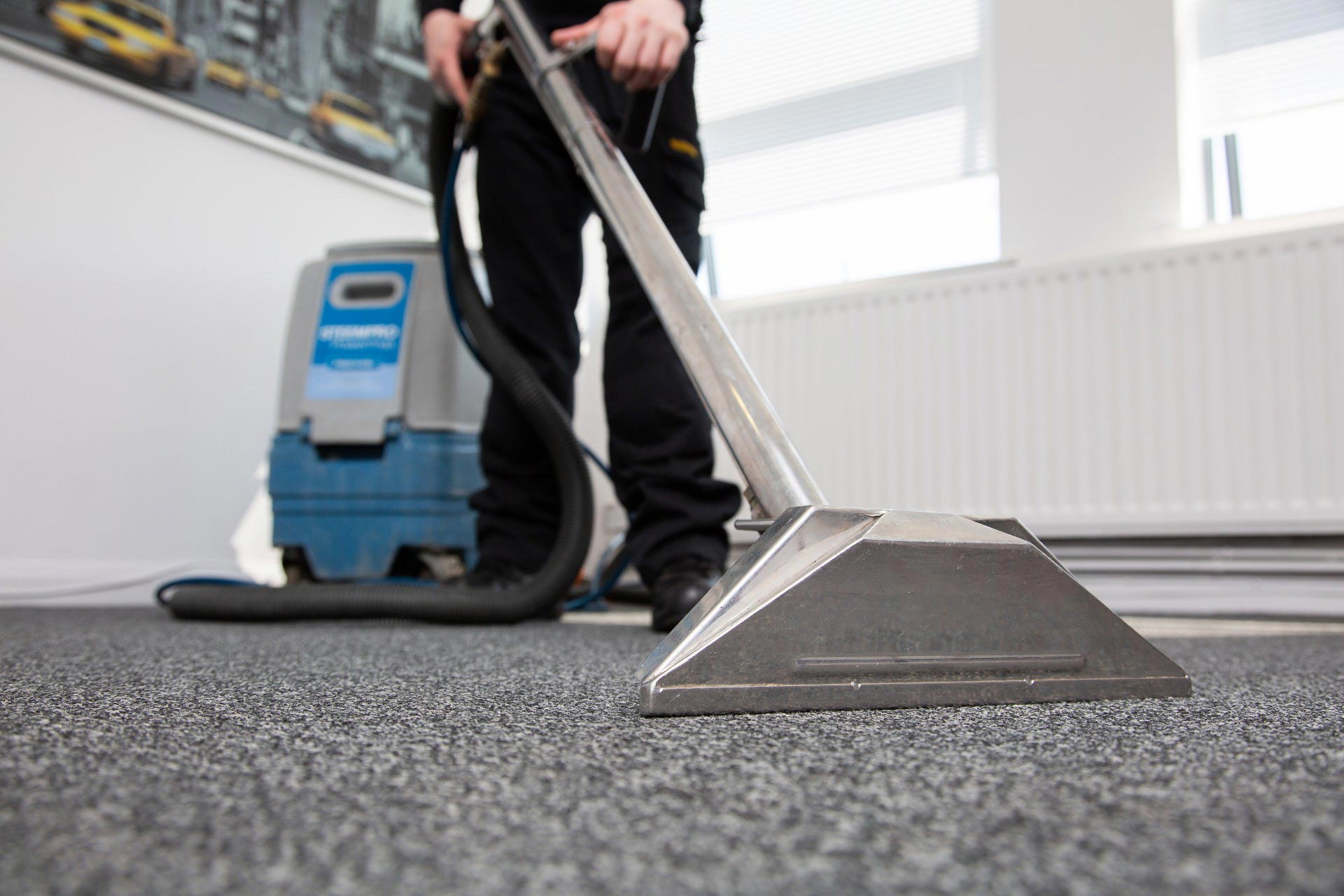
Freshly cleaned carpets can make any property look cleaner and feel more comfortable. Many property owners, however, wonder how long they need to wait before walking on a carpet after cleaning. Drying time depends on several factors, including cleaning methods, airflow, humidity levels, and carpet material. Professional Commercial Carpet Cleaning Services often use equipment and techniques designed to reduce drying time, but understanding the process helps set realistic expectations and prevents unnecessary damage.
Factors That Affect Carpet Drying Time
Carpet drying time is influenced by more than the cleaning method alone. The thickness of the carpet fibers, type of padding underneath, indoor temperature, and humidity all contribute to how quickly moisture evaporates. Dense carpets tend to hold more water than low-pile options, leading to longer drying periods. Properties with poor ventilation may also experience slower drying because moisture remains trapped in the air. Understanding these variables helps property owners estimate drying times more accurately and take steps to create better drying conditions.
Average Drying Times for Different Cleaning Methods
Different carpet cleaning techniques produce different drying results. Hot water extraction commonly requires between six and twelve hours to dry completely under normal conditions. Dry carpet cleaning methods may allow carpets to be used within one to two hours because they involve very little moisture. Bonnet cleaning and encapsulation methods generally dry within two to six hours. Results vary depending on room conditions and carpet construction, but knowing the expected drying range for each method helps businesses and property managers plan cleaning schedules effectively.
Why Proper Drying Matters
Complete drying is an essential part of the carpet cleaning process. Excess moisture left within carpet fibers or padding can contribute to unpleasant odors, mold development, and reduced carpet lifespan. Damp conditions may also attract dirt more quickly, causing carpets to become soiled again shortly after cleaning. Proper drying protects the investment made in professional cleaning and helps maintain a healthier indoor environment. A fully dried carpet not only looks better but also performs better over time, reducing maintenance concerns and replacement costs.
Signs That a Carpet Is Fully Dry
Property owners can identify a dry carpet through several simple observations. Carpet fibers should feel dry to the touch without any cool or damp sensation. The surface should return to its normal texture and appearance, with no dark spots indicating retained moisture. Indoor humidity levels often return to normal once drying is complete. Walking across the carpet with clean shoes should not leave impressions caused by moisture. These indicators provide confidence that the carpet is ready for normal use without risking damage.
Common Reasons Carpets Stay Wet Longer
Several conditions can extend drying times beyond expectations. High humidity levels slow evaporation and keep moisture trapped within carpet fibers. Limited airflow prevents damp air from being replaced with drier air, reducing drying efficiency. Thick carpet padding can also retain moisture longer than the visible carpet surface. Excessive water application during cleaning contributes to prolonged drying as well. Identifying these causes allows property owners to address the issue quickly and avoid problems associated with extended moisture exposure.
Practical Ways to Speed Up Carpet Drying
Several simple actions can help carpets dry faster after cleaning:
- Open windows to improve natural airflow where weather conditions allow.
- Use fans to circulate air across carpet surfaces.
- Turn on air conditioning to reduce indoor humidity.
- Keep furniture off damp carpet sections until fully dry.
- Schedule cleaning during periods of lower humidity.
- Increase ventilation through doors and air vents.
- Limit foot traffic to avoid pressing moisture deeper into fibers.
These practical measures can significantly reduce drying times and support better cleaning results.
Planning Carpet Cleaning Around Business Operations
Businesses often need to minimize disruptions during carpet maintenance. Scheduling cleaning during evenings, weekends, or low-traffic periods allows carpets sufficient time to dry before employees and visitors return. Coordinating cleaning activities with building ventilation systems can further improve drying efficiency. Property managers should communicate drying expectations clearly to staff and tenants to prevent premature use. Proper planning ensures carpets dry completely while maintaining normal operations, helping organizations preserve both appearance and functionality without unnecessary inconvenience.
Conclusion
Carpet cleaning drying time depends on the cleaning method, carpet type, environmental conditions, and airflow. Most professionally cleaned carpets dry within a few hours to twelve hours, though some situations may require additional time. Understanding the factors that affect drying helps property owners make informed decisions and avoid moisture-related problems. Simple drying practices and careful scheduling can improve results significantly. A fully dried carpet maintains its appearance, supports a healthier environment, and delivers longer-lasting value following professional cleaning.