How Thoughtful Cafe Layouts Support Conversations and Quiet Time
Discover how thoughtful cafe layouts enhance comfort, conversations, and quiet moments at the best cafe in Dehradun, and see what creates a calm, inviting space.
 aristellain
Introduction
Cafe visits today serve multiple purposes, from informal meetings to solitary breaks. In Dehradun, where cafes often function as social and personal spaces, layout decisions play a key role in shaping how people use and experience these environments.
Thoughtful layouts influence whether a space supports conversation, reflection, or both—without requiring customers to consciously think about it.
Understanding the Purpose of Cafe Layouts
A cafe layout is more than table placement. It reflects how an establishment anticipates customer behavior and balances shared and private use.
Well-planned layouts typically aim to:
-
Allow movement without disruption
-
Reduce unnecessary noise overlap
-
Provide visual separation without isolation
These factors help visitors assess whether a location fits their intent before settling in.
Zoning Spaces for Different Interaction Styles
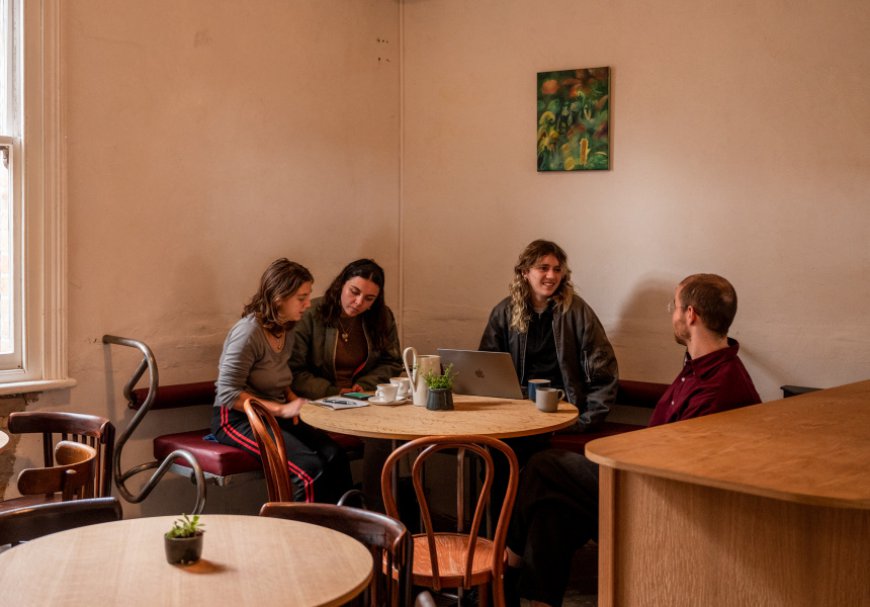
One effective approach seen in the Best Cafe in Dehradun category is zoning—designing distinct areas for varied social needs.
Conversation-Friendly Zones
These areas usually include:
-
Clustered seating arrangements
-
Tables positioned for face-to-face interaction
-
Slightly higher ambient sound levels
Such zones accommodate groups without overwhelming nearby diners. Some cafes explain their spatial philosophy openly; readers can Visit our website resources that discuss layout planning trends within hospitality design.
Quiet and Low-Interaction Areas
Equally important are sections designed for:
-
Solo diners
-
Remote work or reading
-
Short reflective visits
These spaces often sit near walls or corners, offering a sense of enclosure without full isolation.
Layout Flow and Customer Comfort
Ease of movement strongly affects comfort. Narrow pathways or congested seating can discourage longer stays, regardless of food quality.
In many Rooftop Cafe in Dehradun locations, vertical access points and open terraces require careful circulation planning to avoid crowding during peak hours. When layouts respect personal space, customers naturally feel less rushed.
Those interested in hospitality flow principles can Learn more here through industry case studies focused on user-centered spatial planning.
Furniture Placement and Acoustic Balance
Furniture selection and placement contribute directly to how sound travels within a cafe.
Key considerations include:
-
Spacing between tables to reduce cross-conversation noise
-
Use of soft materials to absorb sound
-
Orientation of seating away from high-traffic paths
These elements are common across well-reviewed Cafe and Bar in Dehradun settings, especially those offering mixed daytime and evening experiences.
Supporting Mixed-Use Experiences
Modern cafes often serve multiple roles throughout the day. A space may transition from quiet mornings to social evenings without structural changes.
For example, layouts that accommodate movable seating or adaptable lighting are common in a Live Music Cafe in Dehradun, where performances should not disrupt diners seeking quieter corners. Readers curious about how cafes manage these transitions can Explore the official website discussions published by hospitality design forums.
Privacy Without Isolation
Complete separation can feel unwelcoming, while open plans can feel exposed. Effective layouts strike a balance through:
-
Partial partitions
-
Strategic plant placement
-
Changes in floor level or ceiling height
These techniques help cafes remain suitable for varied audiences, including those often described as the Best Cafe for Couples in Dehradun, where subtle privacy matters without closing off the environment.
Real-World Layout Considerations in Dehradun
Local context matters. Cafes located near busy corridors such as Restaurant in Rajpur Road Dehradun areas must account for external noise, pedestrian flow, and limited frontage.
One rooftop cafe and bar in Dehradun, Aristella Cafe and Bar, demonstrates how layered seating and directional layouts can separate active and calm zones within a single footprint—illustrating principles rather than offering a standard to follow.
For those evaluating cafes personally, Check details here guides often suggest observing how long customers stay and how often seating rearranges during service hours.
How Consumers Can Evaluate Cafe Layouts
When choosing where to spend time, customers may benefit from observing:
-
Whether conversations overlap uncomfortably
-
How easily staff and guests move through the space
-
If seating options match their purpose
These cues often reveal more than menu descriptions or online photos.
Conclusion
Thoughtful cafe layouts quietly guide behavior, shaping whether spaces feel suitable for conversation, focus, or relaxation. In Dehradun’s evolving cafe culture, design choices increasingly reflect an understanding that comfort is not accidental—it is planned.
By recognizing how layout influences experience, consumers can make informed choices aligned with their needs, while cafes continue refining spaces that respect both social connection and personal time.