How to Choose Quality Firewood for Your Home Heating Needs
 julialubey
When winter hits and the cold settles in, most people start thinking about reliable heat, not fancy systems or complicated setups. Just good, solid firewood that actually burns right. And yeah, a lot of folks end up searching things like firewood delivery near me in Maryland because they don’t want to gamble with damp logs or half-seasoned wood that barely lights. Truth is, not all firewood is the same. Some burn hot and clean, some just smoke up your whole place and leave you frustrated. So choosing right… it actually matters more than people think.
Understanding Why Firewood Quality Really Matters
Let’s be real, firewood is not just “wood.” It’s your heat source. Your comfort. Bad quality wood can mess up your fireplace, clog chimneys faster, and just waste your time stacking and relighting. Good firewood burns steady, gives proper heat, and doesn’t turn your living room into a smoke chamber. I’ve seen people blame their stove when it was really just poor-quality logs. So yeah, quality isn’t optional here, it’s kind of the whole game.
Hardwood vs Softwood – Don’t Overthink It, But Don’t Ignore It
There’s always this debate. Hardwood or softwood. The short answer is that hardwood wins for home heating most of the time. Oak, maple, ash… they burn slower and hotter. Softwood like pine lights fast, sure, but it burns quickly and pops a lot. Not great for long nights. But honestly, mixing both isn’t a bad idea. Some softwood for starting the fire, and hardwood for keeping it alive. Simple system, works every time, no need to complicate it.
Moisture Content – The Silent Deal Breaker
If there’s one thing people mess up constantly, it’s moisture content. Fresh-cut wood looks fine, smells nice, even, but it’s basically useless for heating. Wet wood hisses, smokes, and barely gives heat. You want properly seasoned firewood, usually under 20% moisture. You don’t need fancy tools either; sometimes, just knocking two logs together tells you enough. If it sounds dull and heavy, it’s probably still wet. Dry wood gives a sharper, cleaner “clack.” Small detail, big difference.
How to Know If Firewood Is Properly Seasoned
Seasoned wood isn’t just about time; it’s about how it was stored too. Ideally, it should be split, stacked off the ground, and left with airflow. Not buried under tarps or piled in a damp corner. Look at the cracks in the logs too; those little splits on the ends usually mean it’s dried properly. Color also changes; fresh wood looks brighter, seasoned wood looks duller, kind of faded. It’s not rocket science, but people still get fooled by looks alone.
Where Your Firewood Comes From Actually Matters
This part gets ignored way too often. The source of your firewood says a lot about its quality. Wood taken from diseased trees or random yard waste can burn unevenly or even carry pests. That’s why buying from a proper local supplier is safer. You want wood that’s been processed correctly, not just chopped and dumped. Storage conditions matter too. Even good wood can turn bad if it’s left sitting in rain or mud for too long.
Buying Local and Firewood Delivery Options
If you’re searching for firewood, local options are usually the smartest move. You can check quality more easily, sometimes even before it’s delivered. And delivery makes life easier, no doubt about that. But don’t just go for the cheapest deal. Cheap often means unseasoned or mixed-quality batches. Ask questions. Where’s it cut from, how long it’s been drying, that kind of stuff. A decent supplier won’t hesitate to answer, and if they do hesitate… that tells you enough already.
Choosing a Reliable Source Like a Licensed Expert
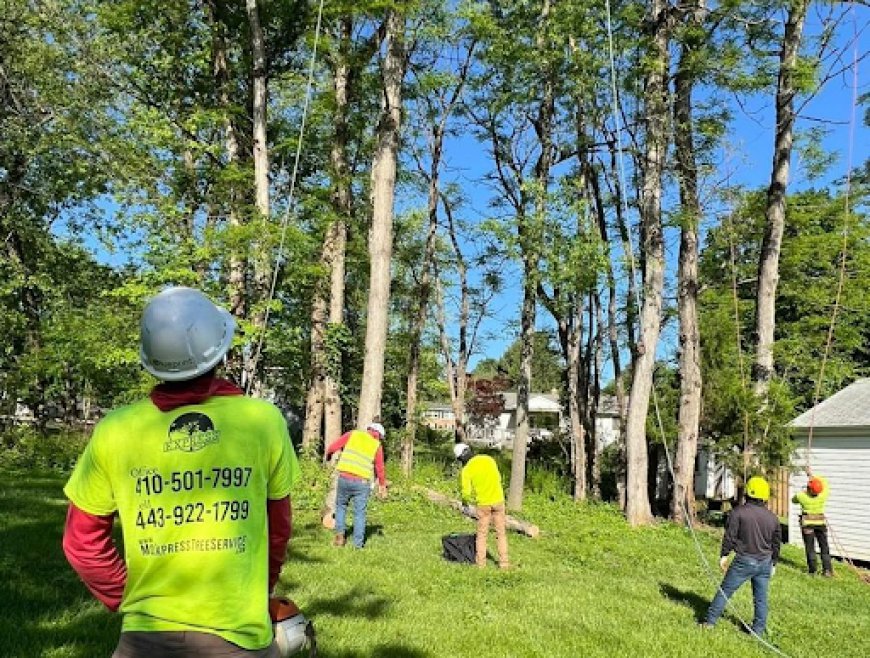
Here’s something most people overlook. Proper tree work and firewood often come from trained professionals who actually understand wood health and safe harvesting. In some cases, working with a maryland licensed tree expert ensures the wood you’re getting is properly handled from the start, not just chopped randomly and sold off. It’s not about sounding fancy, it’s about safety, legality, and better burning quality. Honestly, it saves you headaches later when your fire burns cleaner and your chimney stays less clogged.
Conclusion – Don’t Rush the Decision
At the end of the day, firewood isn’t something you should rush buying just because winter showed up early. A little attention to moisture, type of wood, and sourcing makes a huge difference in how warm and easy your home feels. Bad wood will fight you every step of the way. Good wood just works. Simple as that. Take your time, ask the right questions, and don’t fall for shortcuts. Your fireplace will thank you for it, quietly but consistently, all season long.